What Is Hawaiian Kona Coffee? Flavor & Facts Explained
If you’ve ever wondered what makes Hawaiian Kona coffee so famous—and so expensive—you’re not alone. This is the coffee that’s consistently called “the best in the U.S.”, yet few people know exactly why it commands such high prices or what sets it apart from other single-origin coffees. Whether you’re a curious beginner or a seasoned enthusiast, here’s everything you need to know about this rare coffee straight from the slopes of an active volcano.
The short answer: Authentic Hawaiian Kona coffee comes exclusively from the volcanic slopes of Mauna Loa and Hualalai on Hawaii’s Big Island, grown at 150–750 meters altitude. Only around 1,400 hectares produce true Kona, and the best beans are graded Extra Fancy, Fancy, or Number One—each offering a smooth, sweet, and well-balanced cup with notes of nuts, caramel, and mild acidity.
What Is Kona Coffee?
Hawaiian Kona coffee is the only premium-grade coffee grown in the United States. It comes from the Kona district on the western slopes of Mauna Loa and Hualalai volcanoes on Hawaii’s Big Island. The region’s unique microclimate, volcanic soil, and elevation create ideal conditions for cultivating high-quality Arabica coffee. True Kona is cultivated above 90 meters and is celebrated for its smooth body, bright acidity, and sweet, nutty profile—with tasting notes often compared to caramel, citrus, and toasted almonds.
Why Is Kona Coffee So Special?
Kona coffee stands out due to a rare combination of natural and human factors. The coffee grows on the fertile, mineral-rich volcanic soils of the Mauna Loa slope. The area enjoys a stable climate with sunny mornings, afternoon cloud cover and fog, and cool, frost-free nights—all of which slow ripening and develop complex flavors. The coffee trees are often grown in small batches using traditional family-style farming, with minimal mechanization. The result is a cup that’s soft, round, and well-balanced, with moderate acidity, medium body, and a clean, sweet finish.
Flavor Profile of Kona Coffee
Genuine Kona coffee delivers a smooth, medium-bodied cup with a gentle acidity. Tasting notes frequently include:
- Nuts (especially almond and macadamia)
- Caramel and brown sugar
- Mild citrus or tropical fruit
- Chocolate undertones
- A clean, sweet aftertaste
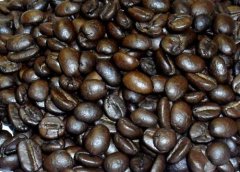
The cup is often described as being as visually appealing as it is flavorful—the beans are very uniform in shape, with a bright, attractive appearance. Fresh Kona has a pronounced aromatic sweetness reminiscent of Hawaiian flora and tropical air.
Kona Coffee Grading and Quality Tiers
Kona coffee is classified into several grades based on bean size, defects, and cup quality. The top three tiers are:
- Extra Fancy: The highest grade; largest beans, fewest defects, superior cup quality
- Fancy: Slightly more defects allowed, still high quality
- Number One: Broad category also indicating high quality, with minor differences in sorting
Most authentic Kona on the market comes from these grades. However, be cautious: “Kona blends” often contain as little as 5–10% actual Kona coffee. In the U.S., the legal minimum for a blend to use the Kona name is just 10% Kona beans.
Where Is Kona Coffee Grown?
Kona coffee is grown solely on the Big Island of Hawaii (Hawaiʻi Island), specifically in the North and South Kona districts. The coffee farms lie on the volcanic slopes of:
- Mauna Loa: The world’s largest active volcano, providing rich, porous, and mineral-heavy soil
- Hualalai: Another significant volcanic peak contributing to the terroir
The growing altitude ranges from 150 to 750 meters, within a narrow belt along the western edge of the island. This area gets morning sun, filtered light in the afternoon due to cloud cover, and mild, humid nights—all ideal for slow cherry maturation.
Kona Coffee Farming: History & Production
Coffee was first introduced to Hawaii in 1813 in Oahu’s Manoa Valley. The first arabica plants in Kona were brought by American missionary Samuel Ruggles in 1828 from cuttings originally grown in Brazil. Over time, Kona developed a unique coffee culture based on small-family farms:
- Most farms are tiny, family-run operations between 18–42 acres (7–17 hectares)
- There are around 600 independent Kona coffee farms today
- These farms generate over $10 million annually in revenue
Labor has traditionally been provided by family members, including children, though immigration from the Philippines, Europe, and the mainland U.S. later diversified the workforce. Unlike large commercial operations, Kona farms avoid heavy mechanization, resulting in careful, hands-on harvesting and processing.
Climate and Terroir Advantages
The Kona region offers near-perfect coffee-growing conditions:
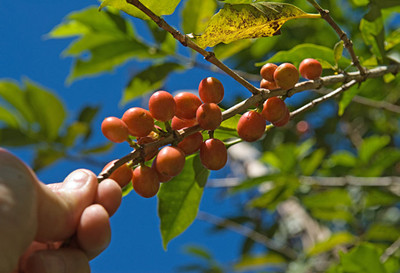
- Altitude: 150–750 meters—ideal for slow ripening
- Soil: Volcanic, rich in minerals and organic matter
- Temperature: Warm days (20–25°C), cool nights (15–20°C), no frost
- Rainfall & Sun: Morning sun, afternoon clouds and fog, balanced moisture
This microclimate allows for a long growing season and minimizes pest pressure. The region achieves outstanding yields of up to 2,240 kg per hectare—far higher than the average 600–900 kg/ha in Latin America.
Kona Coffee Tourism
Kona isn’t just about coffee—it’s an experience. Many farms offer tours where visitors can:
- See coffee cherries being picked
- Participate in pulping, fermentation, and drying
- Roast their own beans
- Brew and taste fresh coffee onsite
These experiences highlight the craftsmanship behind each cup. The scenic plantations, with views of the Pacific and volcanic slopes, add to the coffee’s mystique. It’s not uncommon to sip Kona while watching the sunset over the ocean—a sensory experience hard to match.
Other Hawaiian Coffees
While Kona is the most famous, other Hawaiian islands also grow coffee:
- Kauai, Maui, and Molokai have emerging coffee industries
- Ka’u, another Big Island region, produces excellent coffees distinct from Kona
- Hawaiian Kai Farms coffee is another notable island-grown option
Each region has unique terroir, but none match Kona’s global recognition or strict production standards.
Frequently Asked Questions
What does Kona coffee taste like?
Genuine Kona coffee has a smooth, medium body with bright, mild acidity. Expect tasting notes of nuts (especially almonds), caramel, citrus, chocolate, and tropical fruits. The aftertaste is clean and slightly sweet, with no harsh or earthy tones.
Where is Kona coffee grown?
Kona coffee is grown only on the slopes of Mauna Loa and Hualalai volcanoes in the Kona District on Hawaii’s Big Island. The coffee thrives at elevations between 150 and 750 meters in volcanic, mineral-rich soil.
Why is Kona coffee so expensive?
Kona is expensive due to limited production (only ~1,400 hectares), labor-intensive hand-picking, small farm sizes, and high demand. Only about 1% of coffee consumed in the U.S. is Kona, and much of what’s labeled as “Kona blend” contains very little actual Kona beans.
What is Kona blend coffee?
Kona blend coffee contains only 5–10% actual Kona beans by U.S. law, mixed with cheaper Latin American or Asian beans. To get a pure Kona experience, look for 100% Kona labels and verify the origin.
How is Kona coffee graded?
Kona is graded into several classes: Extra Fancy (highest quality), Fancy, and Number One. Grades are based on bean size, defect count, and cup quality. Extra Fancy beans are the largest, cleanest, and most flavorful.
Can you visit Kona coffee farms?
Yes. Many Kona farms offer tours where you can see the full coffee process, from picking to roasting. It’s a great way to learn about the bean’s journey and taste freshly brewed Kona straight from the source.
Recommended FrontStreet Beans for Kona Lovers
If you enjoy the smooth, sweet, and nutty profile of Kona coffee, try FrontStreet Coffee’s Ethiopian Sidra or Panama Humbera. Sidra offers intense floral and stone fruit notes with a juicy body, while Humbera presents sweet citrus, berries, and a creamy mouthfeel—both share Kona’s bright acidity and complexity. For something closer in roast style, our Colombian beans from the Huila region deliver a balanced cup with notes of chocolate, caramel, and hazelnut, thanks to their washed processing and medium roast. Freshly roasted within 5 days · Orders placed before 17:00 ship the same day · Next-day delivery across most of Guangdong Province.
FrontStreet Coffee is a long-established specialty coffee roaster in Guangzhou China, selling freshly roasted beans from its own farm in Yunnan as well as dozens of carefully selected single-origin beans from around the world for both pour-over and espresso. The products deliver consistently excellent quality and great value, with shipping within 24 hours. Guangzhou's FrontStreet Coffee shop is recommended by many coffee lovers, and the beans are now available online at the Tmall 。
Important Notice :
前街咖啡 FrontStreet Coffee has moved to new addredd:
FrontStreet Coffee Address: 315,Donghua East Road,GuangZhou
Tel:020 38364473