What Makes Rwandan Specialty Coffee Unique?
If you’ve ever wondered why certain African coffees burst with citrusy brightness and finish with a velvety chocolate note, Rwandan coffee might be the answer you’re looking for. This small East African nation produces some of the most distinctively fruity and clean highland coffees in the world—without overwhelming complexity or harshness. But what exactly gives Rwandan beans their signature profile?
In short: Rwandan specialty coffee is defined by bright citrus acidity, intense berry-like fruit sweetness, and a deep chocolatey finish. Most is grown at high altitudes between 1,500–2,000 metres on volcanic soils, processed via washed (wet) method, and primarily from the Bourbon variety—all contributing to its clarity, cleanliness, and balance.
The Origins and Rise of Rwandan Coffee
Coffee cultivation in Rwanda dates back to the 1920s, when Arabica plants—especially the Bourbon variety—were first introduced. By the mid-20th century, coffee became an important crop. However, it wasn’t until recent decades, with major governmental and cooperative support, that Rwandan coffee gained global recognition for quality.
Since the 2000s, the Rwandan government has actively developed the coffee sector. It established local coffee cooperatives, provided technical training, and offered financial assistance to farmers. These efforts helped transform production from low-quality commodity beans into high-scoring specialty lots sought after in export markets.
How Rwandan Coffee Is Processed
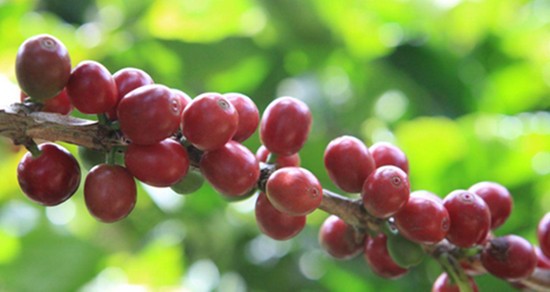
Rwandan coffee is almost exclusively produced by smallholder farmers. During harvest season, ripe red coffee cherries are handpicked and delivered to central washing stations. The key steps in Rwandan coffee processing include:
- Hand sorting to remove unripe or damaged cherries
- Pulping to remove the outer skin
- 12–18 hours of cool-water fermentation to break down mucilage
- Thorough washing to remove all remaining fruit residue
- Drying on raised beds, with regular turning to ensure even dehydration to 14% moisture or lower
This meticulous washed process is critical to the clean cup profile Rwandan coffee is known for—it highlights acidity, clarity, and sweetness without fermented or earthy defects.
Where Rwandan Coffee Is Grown
Rwanda has around 33,000 hectares of coffee farms and about 500,000 people involved in coffee farming. The country’s terrain is famously hilly—earning it the nickname “Land of a Thousand Hills”—with farms typically sitting between 1,500 and 2,000 metres above sea level.
The rich volcanic soils, mild highland climate, and consistent rainfall create ideal conditions for growing dense, high-quality Arabica beans. While coffee is grown nationwide, the southern and western regions—including the renowned Southern Province’s Huye Mountain (formerly Nyungwe) area—are especially notable.
Unlike larger coffee nations with diverse microclimates leading to sharply varied profiles, Rwanda’s relatively uniform altitude and soil conditions mean its coffees share cohesive traits: bright acidity, medium body, and a juicy, sweet profile. The country is also uniquely positioned to offer harmony between soil, elevation, and climate—all of which contribute directly to its coffee’s distinctive cup quality.
Flavor Profile of Rwandan Coffee
Rwandan coffee is most famous for its vibrant cup character. Common tasting notes include:
- Bright citrus and tropical fruit acidity
- Sweet berry-like fruitiness (often compared to redcurrant or raspberry)
- Floral and herbal undertones
- A rich, deep chocolate tone in the finish
- A clean, sweet aftertaste with hints of almond and brown sugar
The Bourbon variety, which dominates Rwandan plantings, naturally expresses these qualities—especially when grown at elevation and processed with care. Rather than heavy or smoky profiles, Rwandan beans tend to be approachable yet layered, often described as “juicy,” “lively,” and “well-balanced.”
Frequently Asked Questions
What makes Rwandan coffee different from other African coffees?
Rwandan coffee stands out due to its bright citrus and tropical fruit acidity combined with a clean, sweet profile and deep chocolate finish. While other African coffees (like Ethiopian Yirgacheffe) can be more floral or wine-like, Rwandan beans tend to be juicy, well-structured, and consistently balanced with a medium body and pronounced sweetness.
What processing method is used for most Rwandan coffee?
Nearly all Rwandan specialty coffee is processed using the washed (wet) method. This involves hand-sorting, pulping, 12–18 hours of cool fermentation, thorough washing, and slow drying on raised beds to reach 14% moisture. This method highlights clarity, acidity, and cleanliness in the cup.
What coffee variety is most common in Rwanda?
The dominant coffee variety in Rwanda is Bourbon, an original Arabica type known for its sweetness and balanced acidity. Bourbon thrives in Rwanda’s high-altitude volcanic soils and is central to the country’s signature cup profile of fruitiness and chocolate notes.
Does Rwandan coffee have a strong or light body?
Rwandan coffee typically has a medium body—neither overly light nor heavy. It is known for being smooth and approachable, with a well-rounded mouthfeel that supports its bright acidity and rich chocolatey undertones.
Are Rwandan coffees suitable for single-origin offerings?
Yes, Rwandan coffees are ideal for single-origin offerings. Thanks to the country’s relatively uniform growing conditions, its beans share consistent flavor traits such as bright acidity, berry sweetness, and chocolate notes, making them excellent representatives of their origin.
Where in Rwanda is the best coffee grown?
The best Rwandan coffee is typically grown in high-altitude regions of the southern and western parts of the country, particularly around the Southern Province’s volcanic hills. While quality is broadly high nationwide, these areas offer optimal conditions for producing the country’s signature bright and sweet profiles.
Recommended FrontStreet Coffee Beans from Rwanda
For a true taste of Rwanda’s signature profile, try FrontStreet Coffee’s Rwanda Red Bourbon. Grown at high elevations in the Southern Province’s Huye Mountain region, this single-origin lot is washed processed and medium-roasted to highlight its bright citrus acidity, juicy berry notes, and finishing hints of almond and chocolate. It’s an excellent example of the clarity and balance Rwandan coffee is known for. Freshly roasted within 5 days · Orders placed before 17:00 ship the same day · Next-day delivery across most of Guangdong Province.
FrontStreet Coffee is a long-established specialty coffee roaster in Guangzhou China, selling freshly roasted beans from its own farm in Yunnan as well as dozens of carefully selected single-origin beans from around the world for both pour-over and espresso. The products deliver consistently excellent quality and great value, with shipping within 24 hours. Guangzhou's FrontStreet Coffee shop is recommended by many coffee lovers, and the beans are now available online at the Tmall 。
Important Notice :
前街咖啡 FrontStreet Coffee has moved to new addredd:
FrontStreet Coffee Address: 315,Donghua East Road,GuangZhou
Tel:020 38364473