What Makes Ethiopian Specialty Coffee Unique?
Ever wondered what sets Ethiopian specialty coffee apart? With over a century of global exports and more native Arabica varieties than anywhere else, Ethiopia remains the birthplace of coffee and home to some of the world’s most distinctive flavors. But with dozens of regions, processing methods, and ever-changing market conditions, how do you make sense of it all?
Ethiopia produces six major specialty coffee types, each with distinct flavor traits—ranging from bright citrus and floral notes in Yirgacheffe to deep spice and dried fruit in Harrar. Key producing regions include Yirgacheffe, Sidamo, Guji, Harrar, Limu, Ghimbi, and Lekempti, with annual production ranging from 26,000 to 70,000 metric tons per region.
Ethiopia’s Place in Global Coffee Trade
Coffee is Ethiopia’s leading export crop and a vital source of foreign exchange. It accounts for roughly 3% of the world coffee market, making the country the eighth-largest exporter globally. Exports grew steadily from 58,000 tons in 1990–1991 to 110,000 tons in 1995–1996, then remained stable until 2001–2002, when volume surpassed 110,000 tons again, reaching 127,000 tons in 2002–2003. Though international coffee prices fell for a decade, hurting Ethiopia’s revenue share (from over 50% to around 35%), prices began recovering in 2002—from 41 cents per pound in September 2001 to 52 cents in 2002, then 59.7 cents in 2003, and 60.8 cents by March 2004, marking a 50% increase.
The Domestic Coffee Culture
Ethiopians are among the world’s biggest coffee drinkers. In 2003, domestic consumption made up 42.3% of production, averaging 3 kilograms per person. Yet most of the crop—over half—is still exported to earn foreign currency. Major importers include the United States, Italy, the UK, Sweden, Norway, Greece, France, Belgium, Germany, and Australia.
How Ethiopian Coffee Production Evolved
Prior to 1974, coffee production, processing, and trade were managed privately. During military rule, smallholder farmers were marginalized and production was nationalized. After 1991, the Transitional Government liberalized the sector, encouraging private coffee exports. This led to a sharp rise in the number of private exporters—now responsible for nearly 90% of the country’s coffee exports.
Ethiopian Coffee Bean Characteristics
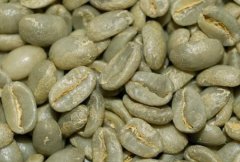
Ethiopian coffee beans are known for being small, fragrant, and featuring a distinctive wine-like acidity. Their unique aromatic complexity has made them a favorite not only for brewing but also for use in beverages, ice creams, and confections. The sensory profile varies by region and processing method, but common traits include vibrant acidity, floral and fruity notes, and complex aromatics.
Top Ethiopian Coffee Origins and Their Profiles
Ethiopia’s most renowned specialty coffees come from distinct growing regions, each with unique altitude, climate, and processing traditions:
- Limu Coffee: Grown at 1,400–2,000 meters, fully washed. It delivers a high-quality cup with rich nutty aromas, balanced acidity, and a wine-like intensity. Annual production: 29,000 tons.
- Ghimbi (Gimbi) Coffee: Cultivated at 1,400–1,800 meters, processed naturally. It offers mild acidity, nutty tones, and a long finish. Annual production: 70,000 tons.
- Gambella (Gambella/Gabbi) Coffee: Produced at 1,500–2,300 meters, this gourmet-grade coffee features moderate acidity and pronounced fruitiness. Annual production: 34,000 tons.
- Yirgacheffe (Yergacheffe/Yirga Chefe) Coffee: Grown at 1,500–2,200 meters, this coffee exhibits classic floral and spice notes. Annual production: approximately 28,000 tons.
- Sidamo Coffee: Found at 1,400–2,200 meters, this region produces well-balanced coffees with notable acidity. Annual production: around 37,000 tons.
- Harrar Coffee: Cultivated above 2,700 meters, it is considered one of the finest coffees in the world. Known for medium acidity and exotic, intoxicating flavors with hints of dry fruit and spice—pure mocha character. Annual production: about 26,000 tons.

Frequently Asked Questions
What is special about Ethiopian coffee?
Ethiopian coffee is considered unique due to its incredible variety of flavors, high-altitude growing conditions, and the large number of indigenous Arabica varieties. It often features bright acidity, floral and fruity notes, and complex aromas. The country is the birthplace of coffee and home to some of the most sought-after origins, such as Yirgacheffe and Harrar.
Which Ethiopian coffee region is best?
There is no single “best” region—it depends on flavor preference. Yirgacheffe is famous for its bright citrus, floral, and tea-like qualities. Harrar offers deep, spicy, and fruity notes with a bold profile. Sidamo provides a balanced cup with good body and acidity. Each region has distinct terroir and processing methods that shape its profile.
What processing methods are used in Ethiopia?
Ethiopia uses both washed (wet) and natural (dry) processing methods. Washed coffees, like those from Limu and Sidamo, tend to have cleaner, brighter profiles. Natural processed coffees, such as traditional Harrar, develop more intense fruit and fermented flavors due to drying with the cherry intact.
Why is Ethiopian coffee so flavorful?
The combination of high altitudes, ideal climate, rich volcanic soils, and hundreds of unique native coffee varieties contributes to Ethiopia’s complex and vibrant cup profiles. Many beans are grown in shaded, forest-like environments, which slow ripening and enhance sugar development.
What are the main coffee-growing areas in Ethiopia?
Key regions include Yirgacheffe, Sidamo, Harrar, Limu, Ghimbi, Gambella, and Lekempti. Each region has distinct altitudes (typically 1,400–2,700 meters), climates, and processing traditions that define the flavor of their coffees.
How has Ethiopia’s coffee export market changed?
Ethiopia has steadily increased coffee exports from 58,000 tons in 1990–1991 to a peak of 127,000 tons in 2002–2003. While global price drops in the early 2000s reduced income, prices recovered from 2002 onward, rising from 41 cents to 60.8 cents per pound by 2004, benefiting producers.
Recommended FrontStreet Coffee Beans from Ethiopia
For a true taste of Ethiopia’s diversity, try FrontStreet’s Ethiopia Huakui (Huakui), known for its vivid floral and stone fruit notes typical of high-altitude Ethiopian coffees. Also consider FrontStreet’s Yirgacheffe offerings like Gedeb, which showcase the region’s signature citrus and bergamot brightness, and the fruity, winey profiles found in Sidamo coffees such as the legendary Huakui selections. These beans highlight the bright acidity, complex aromatics, and sweet fruitiness Ethiopia is famous for. Freshly roasted within 5 days · Orders placed before 17:00 ship the same day · Next-day delivery across most of Guangdong Province.
FrontStreet Coffee is a long-established specialty coffee roaster in Guangzhou China, selling freshly roasted beans from its own farm in Yunnan as well as dozens of carefully selected single-origin beans from around the world for both pour-over and espresso. The products deliver consistently excellent quality and great value, with shipping within 24 hours. Guangzhou's FrontStreet Coffee shop is recommended by many coffee lovers, and the beans are now available online at the Tmall 。
Important Notice :
前街咖啡 FrontStreet Coffee has moved to new addredd:
FrontStreet Coffee Address: 315,Donghua East Road,GuangZhou
Tel:020 38364473