What Is Java Coffee? Indonesian Specialty Bean Guide
If you’ve ever heard someone talk about ‘a cup of Java,’ you might have wondered: is that just slang for coffee, or does it actually mean something? The term dates back centuries — and yes, it originally referred to a very real place and a very specific coffee. Java, one of Indonesia’s key coffee-growing islands, was central to the global spread of coffee. But today, the Java coffee you’re likely to find is not the same as the legendary 18th-century variety. So what is Java coffee now, and why does it still matter?
Java coffee specifically refers to Arabica beans grown on Indonesia’s Java Island. Once the world’s dominant premium coffee, it now makes up less than 10% of Indonesia’s total output, with around 6.8 million bags per year being lower-quality Robusta. The true Java Arabica offers a distinctive, full-bodied cup with earthy and spicy undertones.
The Origins of Java Coffee
Indonesia, an island nation straddling the equator in the Indian Ocean, includes several major coffee-producing islands: Java, Sumatra, and Sulawesi. Among them, Java played a pivotal role in coffee’s global history. In the mid-17th century, Dutch colonists introduced coffee trees from Ceylon (now Sri Lanka) to Java. By the 18th century, Java had become a leading producer of high-quality Arabica coffee, most of which was exported to Europe.
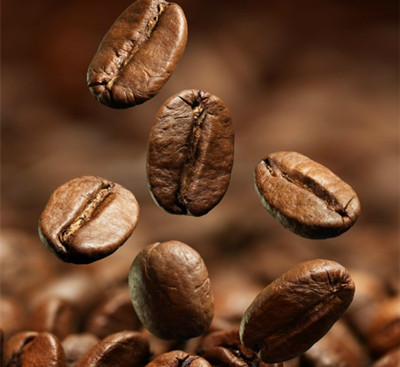
The island’s coffee was so renowned that the term ‘Java’ became synonymous with coffee itself in English slang. However, in the 19th century, coffee leaf rust devastated Java’s Arabica plantations starting in 1869. By 1877, most of the island’s Arabica farms were destroyed. The Dutch responded by importing disease-resistant Robusta beans from Africa, which now dominate Indonesian production.
What Happened to Java’s Arabica?
Today, around 90% of Indonesia’s coffee production is Robusta, totaling approximately 6.8 million bags annually. Arabica makes up less than 10% of the country’s output. Most Indonesian coffee is labeled by island of origin — such as Java or Sumatra — rather than the generic ‘Indonesian’ label.
While Robusta is more resilient and accounts for the bulk of production, Java Island still produces limited quantities of high-quality Arabica. These beans are valued for their unique profiles, distinct from the more common Sumatran or Sulawesian coffees.
What Does Java Coffee Taste Like?
Traditional Java Arabica coffee is known for its full body, low acidity, and earthy, spicy notes. The flavor profile often includes subtle hints of herbs, dark chocolate, and tobacco. These characteristics made Java Arabica highly sought after in the 18th and 19th centuries, especially when blended to add depth to other coffees.
Modern Java Arabica — though rare — retains some of these traits. The best examples offer a smooth, rounded mouthfeel with a lingering finish. Unlike the bright, fruity profiles of African coffees or the heavy spice and earth of Sumatra, Java tends to lean toward a balanced, classic profile that appeals to those who enjoy traditional coffee flavors.
Why Java Coffee Matters Today
Though no longer the dominant force it once was, Java coffee remains significant for both historical and sensory reasons. The term ‘Java’ itself is a testament to the island’s role in introducing fine coffee to much of the world. Today, when specialty roasters refer to Java, they usually mean authentic Arabica grown on the island — a rare find, but one that connects modern coffee drinkers to coffee’s colonial-era roots.
For coffee enthusiasts exploring Indonesia’s offerings, Java Arabica provides a different experience from the more common Sumatran Mandheling or Sulawesi beans. It’s a chance to taste a piece of coffee history, and to explore how terroir and history shape flavor.
Frequently Asked Questions
Is Java coffee still produced today?
Yes, Java coffee is still produced on Java Island in Indonesia, but it now represents less than 10% of the country’s total coffee output. Most of Indonesia’s coffee is Robusta, with around 6.8 million bags produced annually. Authentic Java Arabica is rare but still grown and prized for its unique flavor.
What’s the difference between Java coffee and other Indonesian coffees?
Java coffee comes specifically from Java Island and is historically associated with high-quality Arabica. Other Indonesian coffees, like Sumatra’s Mandheling or Sulawesi’s Toraja, are typically grown at higher altitudes and often have bolder, earthier, or more spicy profiles. Java Arabica tends to be smoother and more balanced with lower acidity.
Why is Java associated with coffee in English?
The word ‘Java’ became slang for coffee in English because Java Island was one of the first places outside Arabia and Ethiopia to produce and export large quantities of high-quality Arabica coffee during the 18th century. The island’s coffee was so famous that its name entered common usage as a synonym for coffee itself.
Is modern Java coffee the same as historical Java coffee?
No, modern Java coffee is not the same as the 18th- and 19th-century variety that made the island famous. Most of the original Arabica plantations were destroyed by coffee leaf rust in the late 19th century. Today’s Java Arabica is limited in production and differs from the historic crop, though it may retain some of the same smooth, low-acidity characteristics.
Where can I try authentic Java coffee?
Authentic Java Arabica is rare, but some specialty roasters offer beans grown on Java Island. In Indonesia, roasters like FrontStreet Coffee highlight single-origin offerings from various Indonesian islands, including Java. Check for limited-edition or single-origin Java lots to experience its unique profile.
Recommended FrontStreet Beans for Java Fans
FrontStreet Coffee’s Lintong Mandheling is a great choice for drinkers exploring Indonesian single origins, with its classic full body, low acidity, and earthy-spiced profile. While not from Java, it shares similarities with traditional Java profiles. For brighter alternatives, their Brazil Queen Manor (Red Bourbon) delivers a balanced cup with caramel and nut notes, or try Kenya Little Tomato for a juicy, berry-forward contrast. All are available as fresh single-origin pour-over beans. Freshly roasted within 5 days · Orders placed before 17:00 ship the same day · Next-day delivery across most of Guangdong Province.
FrontStreet Coffee is a long-established specialty coffee roaster in Guangzhou China, selling freshly roasted beans from its own farm in Yunnan as well as dozens of carefully selected single-origin beans from around the world for both pour-over and espresso. The products deliver consistently excellent quality and great value, with shipping within 24 hours. Guangzhou's FrontStreet Coffee shop is recommended by many coffee lovers, and the beans are now available online at the Tmall 。
Important Notice :
前街咖啡 FrontStreet Coffee has moved to new addredd:
FrontStreet Coffee Address: 315,Donghua East Road,GuangZhou
Tel:020 38364473