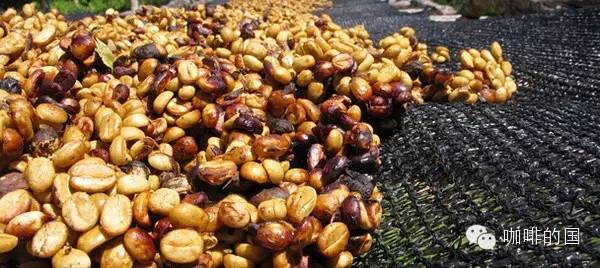
Indonesia Bali Kintamani Ubud Natural Process Coffee Beans
If you’ve ever wondered why most Indonesian coffee tastes generic—or worse, like cheap commercial filler—Bali’s Kintamani region might change your mind. For years, local coffee was dismissed as low-grade, but a shift is underway. High on the slopes of an active volcano, a small group of roasters and farmers are proving that Bali can produce distinctive, high-quality specialty coffee with unique fruit and caramel complexity.
The answer lies in the Kintamani highlands, where volcanic soil, elevation around 1400 metres, and careful natural processing create coffee with notes of ripe peach, pineapple, and black sugar. These beans come from the Ubud Processing Plant and are grown by farmers using USDA, Karka, and S-795 varieties.
Why Kintamani’s Elevation and Volcanic Soil Matter
Bali’s Kintamani region sits within the caldera of an active volcano complex, giving it rich, mineral-laden soils ideal for coffee. At around 1400 metres above sea level, the cooler temperatures slow cherry development, allowing more complex sugars to develop. This altitude is right in the sweet spot for producing vibrant, high-acidity coffees with distinct fruit characteristics—a stark contrast to the flat, lowland plantations often associated with generic Indonesian beans.
The Turnaround: From Commodity to Specialty
For decades, Bali’s coffee was seen as a cheap input, not a premium product. But Rodney and his partners, all certified Q-graders—the only ones in the region—decided to challenge that narrative. Based in Ubud, Bali’s cultural hub, they opened the island’s only specialty coffee shop serving locally sourced beans. Their goal wasn’t just better coffee, but a shift in local perception. They invested in quality control, professional certification, and even installed 1kg and 4kg roasters to highlight the potential of beans from Kintamani and nearby islands like Java, Sulawesi, New Guinea, and Flores.
The Beans: Varieties and Processing
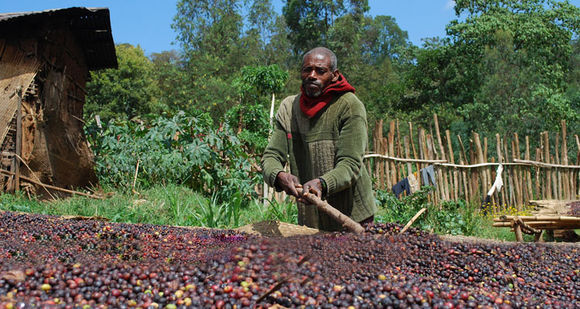
The Kintamani Ubud Natural coffee is made from a mix of traditional Indonesian varieties: USDA, Karka, and S-795. These are processed using the natural (dry) method at the Ubud Processing Plant. In natural processing, coffee cherries are dried in the sun with the fruit still intact, allowing the beans to absorb more fruity and sugary flavours. The result is a cup that tastes markedly different from the earthy, herbal profiles typical of Sumatran coffees processed with the wet-hulled (giling basah) method. Expect tasting notes of ripe peach, juicy pineapple, and underlying black sugar sweetness.
Frequently Asked Questions
What makes Bali Kintamani coffee different from other Indonesian coffees?
Bali Kintamani coffee is typically grown at higher elevations (around 1400m) in volcanic soil, leading to a cleaner, fruitier profile compared to the lowland, earthy Sumatran coffees processed with the wet-hulled method. Kintamani naturals often show notes of stone fruit, tropical fruit, and sweetness like black sugar.
What coffee varieties are used in this Bali Kintamani Ubud Natural lot?
This particular lot is made up of USDA, Karka, and S-795 varieties—traditional Indonesian cultivars known for their adaptability and balanced cup profile when grown at high altitudes and processed carefully.
How is the coffee processed, and how does that affect the flavour?
It’s a natural (dry) process, meaning the coffee cherries are dried with the fruit still on the bean. This enhances sweetness and fruitiness, giving the cup flavours of ripe peach, pineapple, and black sugar, rather than the herbal or spicy notes common in washed or wet-hulled Indonesian coffees.
Where is the Ubud Processing Plant located, and who runs it?
The Ubud Processing Plant is in Bali’s cultural centre, Ubud. It’s operated by Rodney and his partners, who are all Q-certified and focused on improving the region’s coffee reputation by focusing on quality over quantity.
When is the harvest season for Kintamani coffee?
The harvest season in the Kintamani region runs from June to September each year, ensuring fresh, well-ripened cherries for processing.
Can I find this coffee at FrontStreet Coffee?
While this specific lot may not be listed, FrontStreet Coffee offers other Indonesian beans such as PWN Golden Mandheling and Lintong Mandheling, which also highlight Indonesia’s diverse coffee terroirs and processing methods.
Recommended FrontStreet Beans from Indonesia
Explore Indonesia’s coffee diversity with FrontStreet’s PWN Golden Mandheling and Lintong Mandheling. PWN Golden Mandheling offers roasted toast, pine, caramel and cocoa notes, with a thick body and long caramel finish. Lintong Mandhelo delivers herbal, spicy complexity from the highlands around Lake Toba, grown at 1100–1600m with local wet-hulling. Both beans showcase Indonesia’s unique terroirs and processing styles. Freshly roasted within 5 days · Orders placed before 17:00 ship the same day · Next-day delivery across most of Guangdong Province.
FrontStreet Coffee is a long-established specialty coffee roaster in Guangzhou China, selling freshly roasted beans from its own farm in Yunnan as well as dozens of carefully selected single-origin beans from around the world for both pour-over and espresso. The products deliver consistently excellent quality and great value, with shipping within 24 hours. Guangzhou's FrontStreet Coffee shop is recommended by many coffee lovers, and the beans are now available online at the Tmall 。
Important Notice :
前街咖啡 FrontStreet Coffee has moved to new addredd:
FrontStreet Coffee Address: 315,Donghua East Road,GuangZhou
Tel:020 38364473