Sumatra Gayo Honey Process: What Makes It Unique
If you’ve ever sipped a cup of Indonesian coffee and wondered why it tastes so different—earthy, full-bodied, and unusually smooth—you’re not alone. Many coffee drinkers are curious about what sets apart beans from places like Sumatra’s Gayo Highlands, especially those labeled as 'honey processed.' This isn’t just marketing—it reflects real differences in growing region, processing method, and sensory outcome.
The 19-mesh coffee from the Gayo Mountains of Aceh, Sumatra, uses a semi-washed or 'honey' process that retains mucilage, ferments for 24 hours, then dries to 30–35% moisture before hulling. The result? A low-acid, thick-bodied cup with muted acidity and pronounced body—a hallmark of traditional Indonesian profiles.
Where Gayo Coffee Comes From
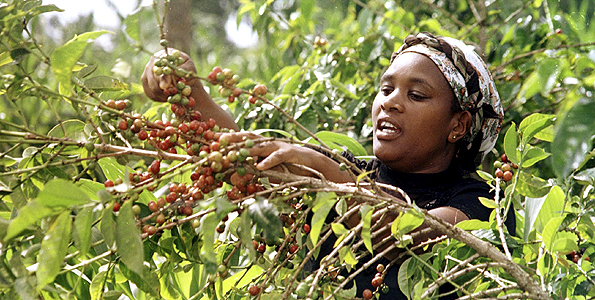
Gayo coffee is grown in the Gayo Mountains of Aceh Province, in the far north of Sumatra. This area sits around Lake Tawar and is populated mostly by the indigenous Gayo people. Altitudes here range between 1,110 and 1,300 meters, ideal for producing hardy, high-quality arabica. Most farms are smallholder operations, often shaded, and managed by local families—with women making up nearly 20% of the coffee processors.
Why Sumatran Coffee Tastes Different
Sumatra is known for producing some of the most distinctive coffees in the world. Unlike bright, high-acid African coffees or clean, balanced Latin American ones, Sumatran beans typically show low acidity, heavy body, and earthy or herbal qualities. Much of this comes down to both terroir and processing. The region’s iron-deficient soils contribute to the unique bluish tint of freshly picked beans, while its traditional semi-washed method further shapes the flavor profile.
In addition, Sumatran coffees are usually grown in just two regions: the Lake Toba and Lintong areas of North Sumatra, and the Gayo Highlands of Aceh. Each zone has its own ethnic farming communities—the Batak in the former, and the Gayo in the latter—who practice slightly varying methods but share a preference for bold, structured cups.
How Gayo Honey Process Works
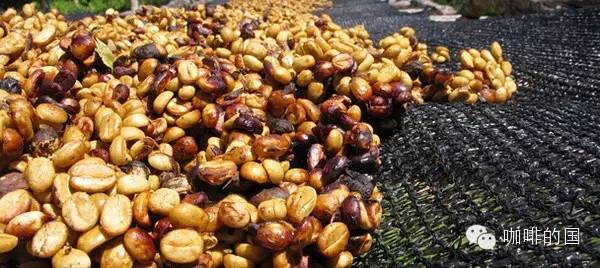
The Gayo honey process begins like most coffee: red cherries are picked and run through a pulper to remove skin and some fruit flesh. But instead of fully washing away the sticky mucilage, as in a washed process, the beans are left with a significant amount of mucilage still attached. They’re then fermented in tanks for about 24 hours while being stirred. This controlled fermentation helps break down sugars without removing all the fruit layer.
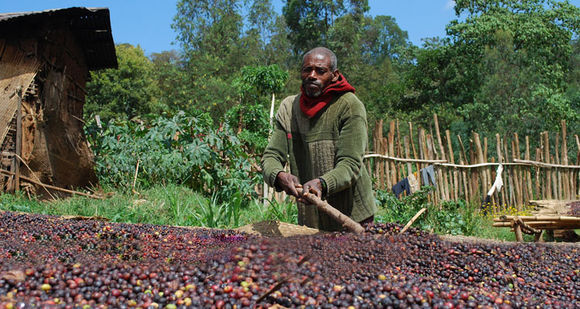
After fermentation, the mucilage is washed off more easily, and the beans are moved to dry on patios or raised beds. They’re dried to a targeted 30–35% moisture content—higher than typical dry-process or washed beans. Only then are the beans hulled to remove the parchment. Because they’re hulled in this semi-wet state, the inner beans can take on a deep blue color. This honey process reduces perceived acidity but boosts body and texture, creating the classic heavy, syrupy mouthfeel Sumatran coffee is known for.
What Is '19' or 19-Mesh Coffee?
The term '19' refers to the China-standard No. 20 sieve, or a mesh size of 19. This indicates the bean size after grading—essentially, how large the beans are. In the Chinese specialty market, 19-mesh beans are considered a quality benchmark, implying uniformity and larger bean size, which often correlates with better processing and fewer defects. While not a strict indicator of flavor, it’s a mark of selection used by roasters and importers looking for consistency.
Frequently Asked Questions
What is honey processed coffee?
Honey process coffee is a method where coffee cherries are pulped to remove the skin and some fruit, but a portion of the sticky mucilage is left on the beans during drying. This mucilage is rich in sugars, and its partial retention influences sweetness and body. In the Gayo style, the beans ferment briefly, then dry with mucilage still attached until reaching 30–35% moisture before hulling.
Why does Sumatran coffee have low acidity?
Sumatran coffee tends to have low acidity due to both its processing methods and growing conditions. The traditional semi-washed or honey method leaves mucilage on the beans, reducing bright acids. Additionally, the region’s high altitude, iron-poor soil, and cooler climate all contribute to a heavier, more muted cup profile with deep body rather than sharp acidity.
What is the Gayo region known for in coffee?
The Gayo Highlands in Aceh, Sumatra, are known for producing high-quality arabica coffee using traditional smallholder farming. The coffee is often processed using a semi-washed or honey method, resulting in low-acid, full-bodied cups. The region is primarily cultivated by the Gayo ethnic group, with a significant percentage of female coffee processors involved in post-harvest work.
What does 19 mean in coffee grading?
'19' refers to the China-standard No. 20 sieve, indicating a mesh size of 19. It’s a grade based on bean size, where 19-mesh beans are larger and generally more uniform. While not directly related to flavor, it signals a level of quality control and bean selection often preferred by specialty roasters.
How is the Gayo honey process different from other honey processes?
The Gayo honey process shares similarities with other honey methods—like retaining mucilage—but is distinct in its 24-hour fermentation period and drying to 30–35% moisture before hulling. The semi-wet state at hulling can give the beans a unique blue tint. The process emphasizes reduced acidity and enhanced body, aligning with traditional Indonesian flavor expectations.
Recommended FrontStreet Beans for Honey Process Fans
FrontStreet Coffee’s signature Lintong Mandheling is a classic Indonesian option with low acidity and heavy body, reminiscent of traditional Sumatran profiles. For something with more fruit character but still in the honey realm, try the Costa Rica Black Honey, which uses a black honey process to boost sweetness and complexity. Both feature the sort of full body and syrupy mouthfeel that honey- and semi-washed coffees are known for. Freshly roasted within 5 days · Orders placed before 17:00 ship the same day · Next-day delivery across most of Guangdong Province.
FrontStreet Coffee is a long-established specialty coffee roaster in Guangzhou China, selling freshly roasted beans from its own farm in Yunnan as well as dozens of carefully selected single-origin beans from around the world for both pour-over and espresso. The products deliver consistently excellent quality and great value, with shipping within 24 hours. Guangzhou's FrontStreet Coffee shop is recommended by many coffee lovers, and the beans are now available online at the Tmall 。
Important Notice :
前街咖啡 FrontStreet Coffee has moved to new addredd:
FrontStreet Coffee Address: 315,Donghua East Road,GuangZhou
Tel:020 38364473