What Makes Papua New Guinea Coffee Unique?
If you’ve ever wondered why some specialty coffee lovers rave about an island-grown coffee that’s neither Ethiopian nor Colombian—but still delivers a bright, juicy cup—Papua New Guinea might be the answer. This lesser-known origin produces distinctive washed Arabica beans that offer something different from the usual suspects. But what exactly sets PNG coffee apart, and why are roasters taking notice?
In short: Papua New Guinea grows high-altitude washed Arabica beans (1300–1800m) with bold yet balanced profiles—medium acidity, creamy body, fruity sweetness, and a smooth mouthfeel. These beans often show notes of stone fruit, nuts, and spice, making them versatile in espresso or filter brewing.
Where Is Papua New Guinea, and Why Does Its Coffee Matter?
Papua New Guinea is an island nation in the southwestern Pacific Ocean, part of the larger island of New Guinea. In Malay, “Papua” means “frizzy-haired,” a name given by 16th-century explorers who noted the curly hair of locals. Though small in global coffee output, PNG has built a niche reputation for producing premium washed Arabica beans with a unique tropical profile. The country is known for its rich biodiversity, dense forests, and mountainous terrain—all factors influencing its agricultural output, including coffee.
What Makes PNG Coffee Taste Different?
Papua New Guinea’s coffee is celebrated for its well-rounded profile. Most beans are grown between 1300 and 1800 meters above sea level, often on volcanic or fertile highland soils. The key characteristics include:
- Medium acidity: Bright but not sharp; more smooth than tart.
- Silky body: A soft, velvety mouthfeel rather than heavy or thin.
- Fruity & nutty notes: Common descriptors include stone fruits, berries, nuts, and subtle spices.
- Clean, sweet finish: The aftertaste tends to linger pleasantly without harshness.
These qualities make PNG coffee less acidic than many African coffees, yet fruitier and brighter than typical Indonesian coffees. It bridges flavor profiles from both regions while maintaining its own identity.
How Is PNG Coffee Processed?
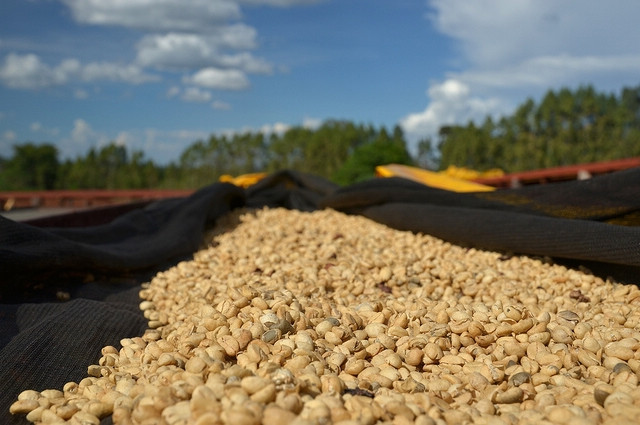
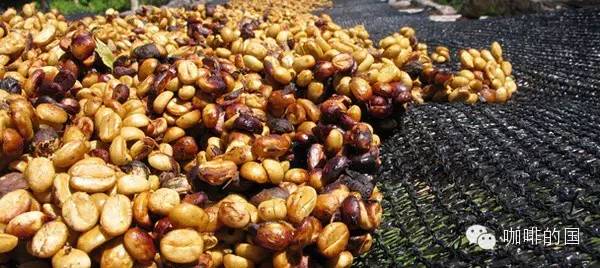
Nearly all specialty-grade PNG coffee is processed using the washed (wet) method. This involves:
- Picking only ripe cherries.
- Removing the skin and pulp within hours of harvest.
- Fermenting the beans to remove the mucilage.
- Washing thoroughly and drying the beans on raised beds or patios.
This careful processing enhances clarity and accentuates the inherent fruitiness of the beans. According to local producers, the water used is often fresh and clean, contributing to the clean cup profile. The result is a bean that’s bright, aromatic, and consistent—a hallmark of specialty processing.
The Terroir: Volcanic Soil, Altitude, and Climate
Papua New Guinea’s coffee grows in a tropical climate with high humidity and consistent rainfall. Key environmental contributors to its cup quality include:
- Altitude: 1300–1800m, ideal for slow cherry maturation and complex flavors.
- Soil: Rich volcanic and highland soils, offering excellent drainage and nutrient availability.
- Temperature: Warm year-round, with cooler nights at elevation slowing growth and developing sugars.
These conditions mirror those of other respected coffee-growing regions, helping develop the bright acidity and layered sweetness for which PNG beans are known. The remote and pristine environment also limits the use of chemicals, with many farms practicing organic or semi-organic cultivation by default.
The Coffee Varieties Grown in PNG
Most of PNG’s specialty coffee comes from the Typica variety, originally brought from Jamaica’s Blue Mountains. The island’s climate and altitude closely resemble those of Jamaica, allowing the Typica plant to thrive. Other varieties may exist, but Typica dominates the high-quality export market due to its adaptability and cup quality. These plants produce beans that are well-balanced, with moderate caffeine levels and a classic Arabica profile.
Because Typica is an older, more delicate variety, it requires careful farming and processing—factors that align with PNG’s traditional, smallholder-based production model.
Why Isn’t PNG Coffee More Popular?
Despite its quality, PNG coffee remains relatively under the radar compared to Ethiopian, Colombian, or Kenyan beans. Several factors contribute:
- Limited production volume compared to major exporters.
- Challenges in infrastructure and exporting logistics.
- Relatively low global marketing presence.
Yet, for specialty roasters and curious drinkers, PNG offers exceptional value. Its balanced profile makes it an excellent choice for single-origin offerings or as a blending component to smooth out brighter or more acidic coffees.
Blending PNG Coffee with Other Origins
One unique feature of PNG coffee is how well it complements other origins. For example, when blended with Guatemala Antigua—a coffee known for its cocoa and mild spice notes—the result is a cup that balances fruitiness with chocolatey depth. The PNG contributes bright acidity and fruity sweetness, while the Guatemalan adds body and a hint of roastiness. Together, they create a layered drinking experience that’s greater than the sum of its parts.
Frequently Asked Questions
What does Papua New Guinea coffee taste like?
Papua New Guinea coffee typically has medium acidity, a silky body, and flavors that include stone fruit, nuts, and mild spices. The cup is often described as smooth, sweet, and well-balanced, with a clean, lingering finish. It’s less tart than many African coffees and fruitier than most Indonesian ones.
Where is Papua New Guinea coffee grown?
Papua New Guinea coffee is grown mainly on the island’s highlands, at elevations between 1300 and 1800 meters. The main growing regions feature volcanic soils, high rainfall, and a tropical climate, all of which contribute to the coffee’s unique flavor profile.
Is Papua New Guinea coffee washed or natural?
Almost all specialty-grade Papua New Guinea coffee is processed using the washed (wet) method. This process enhances the beans’ clarity, brightness, and fruitiness, resulting in a clean and aromatic cup.
What coffee variety is most common in PNG?
The majority of high-quality PNG coffee comes from the Typica variety, originally introduced from Jamaica’s Blue Mountains. Typica thrives in PNG’s high-altitude, tropical conditions and is valued for its balanced cup profile.
Why is Papua New Guinea coffee not more well-known?
Despite its quality, PNG coffee has lower global production volumes and faces challenges in export logistics and marketing. These factors have kept it from achieving the same recognition as more prominent origins, even though it offers excellent flavor and value.
How can I use PNG coffee in brewing?
PNG coffee works well in both filter and espresso brewing. Its medium acidity and balanced profile make it suitable for pour-over, French press, AeroPress, and even as a single-origin espresso or a blending component to mellow stronger flavors.
Recommended FrontStreet Coffee Beans from Papua New Guinea
FrontStreet Coffee’s 'FrontStreet Paradise Bird' is a standout single-origin from PNG’s Western Highlands, sourced from the Sigri Estate. It features a medium roast that highlights notes of toasted bread, nuttiness, and subtle spice, with a sweet finish. The cup is smooth and well-balanced, making it ideal for both filter and espresso brewing. Freshly roasted within 5 days · Orders placed before 17:00 ship the same day · Next-day delivery across most of Guangdong Province.
FrontStreet Coffee is a long-established specialty coffee roaster in Guangzhou China, selling freshly roasted beans from its own farm in Yunnan as well as dozens of carefully selected single-origin beans from around the world for both pour-over and espresso. The products deliver consistently excellent quality and great value, with shipping within 24 hours. Guangzhou's FrontStreet Coffee shop is recommended by many coffee lovers, and the beans are now available online at the Tmall 。
Important Notice :
前街咖啡 FrontStreet Coffee has moved to new addredd:
FrontStreet Coffee Address: 315,Donghua East Road,GuangZhou
Tel:020 38364473