How to Choose Ethiopian Sidamo Shakisso Natural Coffee Beans
If you’ve ever bought an Ethiopian natural process coffee labeled "Sidamo" or "Shakisso" and been unsure what sets it apart—or whether it’s even worth the premium—you’re not alone. With countless smallholder farms, varied microclimates, and dozens of undocumented heirloom varieties, choosing a great bag of Ethiopian coffee can feel like guesswork. This guide helps you understand what really defines a quality Shakisso natural and how to spot one worth buying.
To choose a great Ethiopian Sidamo Shakisso natural coffee, look for beans grown at 1800–2000 meters altitude, processed via raised-bed natural drying (27–30 days), harvested from local Heirloom varieties, and produced by smallholder farmers. Key flavor markers include lemon, mango, blueberry, and wine-like notes.
Where Is Shakisso and Why Does It Matter?
Shakisso (also spelled Shakiso) is a remote coffee-growing area located within Ethiopia’s Oromia region, technically part of Guji but bordering both Sidamo and Gedeo zones. Though grouped under "Sidamo" on some export labels, Shakisso is geographically and culturally distinct—set apart by its hilly terrain, history of gold mining, and challenging access. The area is far from major transport routes, making farm labor and harvest support difficult to secure. Despite these hurdles, local smallholders began planting organic coffee in 2001 and collaborate closely with mid-sized producers experienced in high-altitude forest-grown coffee methods.
What Makes Shakisso Coffee Different?
Shakisso coffees are celebrated for their unique cup profile, shaped by the region’s isolated growing conditions, high elevation (1800–2000m), and the use of native Heirloom coffee varieties. The area’s volcanic-influenced soils and microclimate contribute to complex fruit-forward flavors. Notably, the legendary Ninety Plus coffee Nekisse—translated as "nectar from Shakisso"—originates from this very region, underscoring its reputation for exceptional cup quality.
Natural Processing in Shakisso: What to Know
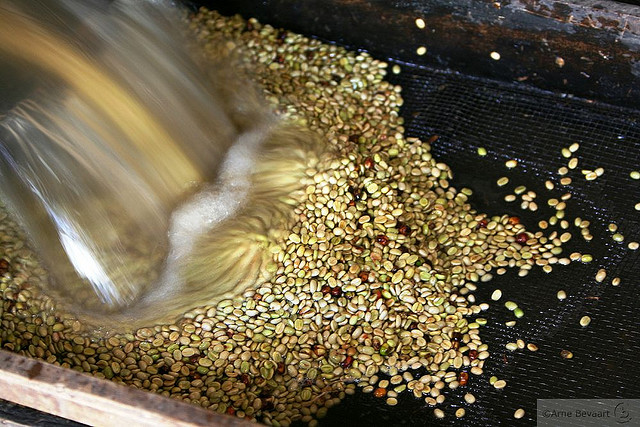
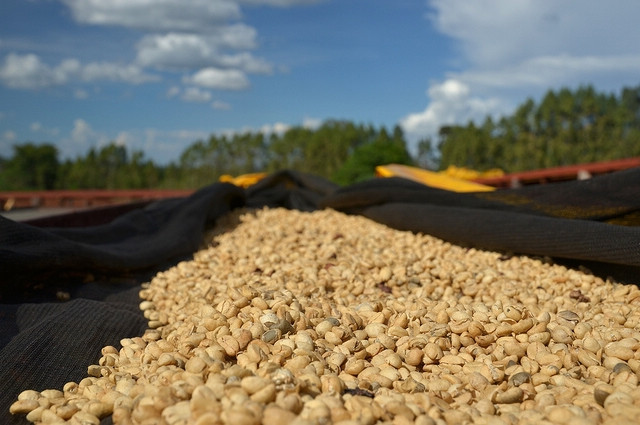
Shakisso natural process coffees are dried on raised beds under the sun, a method that requires stable weather—typically 27 to 30 consecutive sunny days. The coffee cherries are carefully spread on elevated mesh nets to avoid contact with dirt, pests, and moisture. Workers regularly turn the cherries to ensure even drying and prevent mold or over-fermentation. This labor-intensive method highlights the fruit’s sugars and acids, resulting in a fuller-bodied cup with pronounced sweetness and fermentation notes. The process is especially suited to high-altitude environments like Shakisso, where dry air and elevation help preserve clarity while enhancing fruit character.
How to Identify a Quality Shakisso Natural Bean
When selecting a Shakisso natural coffee, focus on these key indicators of quality:
- Origin Detail: Look for "Shakisso" specifically, not just "Sidamo" or "Guji." While often grouped under broader labels, true Shakisso beans come from this distinct highland area.
- Altitude: The coffee should be grown between 1800–2000 meters above sea level. This elevation slows ripening, increasing sugar development.
- Processing Method: Confirm it’s a natural (sun-dried) process using raised beds. Avoid mechanically dried or unknown methods.
- Varietal: Most Shakisso coffees are made from unnamed local Heirloom varieties unique to Ethiopia. These are not commercial hybrids but traditional landrace plants.
- Producer Type: The best Shakisso naturals come from smallholder farms working with skilled mid-size processors familiar with forest-grown, high-altitude cultivation.
- Flavor Profile: Top examples exhibit bright citrus (lemon), tropical fruits (mango, blueberry), and winey or floral tones. These attributes reflect proper fermentation and drying.
Frequently Asked Questions
Is Shakisso coffee really different from other Sidamo or Guji coffees?
Yes. Though Shakisso is often labeled under broader Sidamo or Guji categories, it is geographically, altitudinally, and culturally distinct. Its isolation, mining history, and unique microclimate produce a cup with more pronounced fruitiness, wine notes, and complexity compared to more accessible Sidamo or Guji zones.
What does “Heirloom variety” mean in Ethiopian coffee?
In Ethiopia, “Heirloom” refers to the dozens of wild, uncategorized coffee plant varieties native to the region. These are not commercial cultivars like Typica or Bourbon but ancient landraces that have evolved naturally in Ethiopian forests. They are responsible for the diverse and unique flavor profiles found in Ethiopian coffees, especially in regions like Shakisso.
Why is natural processing more common in Shakisso and Ethiopia generally?
Natural processing is prevalent in Ethiopia due to high altitudes, dry climate, and limited water resources—especially in regions like Shakisso. The method is traditional, cost-effective, and enhances fruity and floral qualities. It requires careful sun drying on raised beds to avoid spoilage, which is manageable in areas like Shakisso despite logistical challenges.
How can I tell if a Shakisso coffee is well-processed?
Well-processed Shakisso naturals will have clean, vibrant fruit flavors without over-fermented or fermented winey defects. Look for balance: bright acidity, defined fruit notes (like mango or blueberry), and a sweet, wine-like finish. Avoid beans with moldy, musty, or overly funky aromas, which indicate poor drying or handling.
What roast level suits Shakisso natural coffee best?
Most specialty roasters develop Shakisso naturals to a light or medium-light roast to preserve its inherent acidity and fruit character. Dark roasting can mask the delicate citrus and berry notes. For home brewing, a medium roast often highlights both sweetness and complexity without scorching the nuanced flavors.
Recommended FrontStreet Natural Process Coffee Beans
For fans of Ethiopian Shakisso-style naturals, try FrontStreet Coffee’s Ethiopia Huakui (Huakui is the famed Ethiopia Geisha-type from Yirgacheffe, known for intense florals and stone fruit), FrontStreet’s Yirgacheffe Red Cherry (a classic Ethiopian natural with vibrant citrus and berry notes), and their Brazil Queen Manor (which, while not Ethiopian, offers a heavy-bodied natural profile with sweet cane and berry layers for contrast). All are expertly processed and showcase the depth possible in sun-dried coffees. Freshly roasted within 5 days · Orders placed before 17:00 ship the same day · Next-day delivery across most of Guangdong Province.
FrontStreet Coffee is a long-established specialty coffee roaster in Guangzhou China, selling freshly roasted beans from its own farm in Yunnan as well as dozens of carefully selected single-origin beans from around the world for both pour-over and espresso. The products deliver consistently excellent quality and great value, with shipping within 24 hours. Guangzhou's FrontStreet Coffee shop is recommended by many coffee lovers, and the beans are now available online at the Tmall 。
Important Notice :
前街咖啡 FrontStreet Coffee has moved to new addredd:
FrontStreet Coffee Address: 315,Donghua East Road,GuangZhou
Tel:020 38364473