How to Choose Kenyan Nyeri Gatugi AA Coffee Beans
If you’ve ever brewed a Kenyan single origin and been hit with a sparkling cup full of blackcurrant, citrus, and winey complexity, you’ve likely tasted the impact of Nyeri’s high-altitude terroir and legendary SL varieties. But with dozens of Kenyan washing stations and cooperatives, how do you identify the ones that deliver that signature vibrancy—especially when browsing bags labelled ‘Nyeri’, ‘AA’, or ‘washed’? The answer lies in understanding the specifics: the exact farm region, processing method, coffee variety, and even the mill behind the beans.
To get a bright, juicy Kenyan cup with distinct blackcurrant and cranberry acidity, look for Nyeri-grown beans at 1600–2300m altitude, processed at Gatugi washing station using SL28 and SL34 varieties through the washed method. That combination consistently produces the crisp, complex profile you’re after.
Why Nyeri Produces Some of Kenya’s Best Coffee
Kenya is one of Africa’s top coffee producers, with over six million people involved in the industry, mostly through smallholder farms and cooperatives. Most of the country’s best coffee grows between 1400 and 2000 metres above sea level, particularly around volcanic regions like Mt. Kenya, including areas such as Nyeri, Kirinyaga, Kiambu, Muranga, and others. Nyeri, located in the Central Highlands, benefits from rich volcanic soils and high altitudes that slow cherry maturation and develop intense flavours.
The Role of Altitude and Volcanic Soil in Flavour Development
Coffee grown at 1600–2300m in Nyeri enjoys cooler temperatures, which slow down bean development and allow more complex sugars and acids to develop. The region’s volcanic clay soils contribute to the dense, high-quality beans that are capable of expressing bright acidity and a heavier body. These environmental factors, combined with careful cultivation, are why Nyeri is known for some of the country’s most vibrant coffees.
Meet the Varieties: SL28 and SL34
Two coffee varieties define much of Kenya’s signature cup profile: SL28 and SL34. Both were developed in the 1930s by Scott Laboratories (SL) to create hardy, high-quality beans suited to local growing conditions. SL28, with lineage tracing to French Mission, Yemen Mocha, and Typica, is celebrated for its pronounced citrus acidity, balanced sweetness, and notes of blackcurrant and plum. SL34 shares similar traits but tends to have a heavier mouthfeel and a more robust acidity, along with greater resilience to heavy rainfall. Both varieties thrive at high elevations and are central to Kenya’s reputation for complex, fruity, and wine-like coffees.
How Washed Processing Enhances Kenyan Acidity
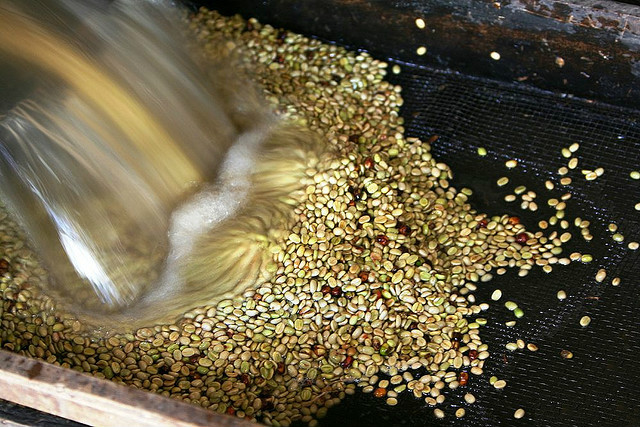
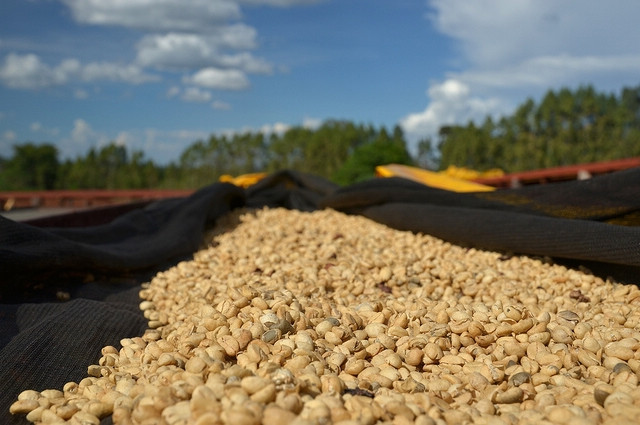
Kenya’s washed processing method plays a major role in shaping its coffee’s clarity and brightness. After harvesting, coffee cherries are depulped and then fermented for around 48 hours to remove the mucilage. They are then soaked in clean water for an additional 24 hours before being dried on raised beds. This multi-stage fermentation and washing process accentuates the fruit acids and results in a clean, juicy cup with defined flavour layers. For varieties like SL28 and SL34, this method helps deliver the crisp citrus, blackcurrant, and cranberry notes Kenyan coffee is known for.
About the Gatugi Washing Station
The Gatugi washing station is located in Nyeri and processes coffee from smallholder farmers in the surrounding area. Operating at elevations between 1600 and 2300 metres, Gatugi works with SL28 and SL34 varieties grown in volcanic soils. The station employs traditional washed processing techniques that highlight the intrinsic qualities of these high-grade beans. The result is a clean, bright AA-grade coffee with distinctive notes of floral tones, green tea, lemon, and standout blackcurrant and cranberry acidity.
What Does AA Grade Mean in Kenya?
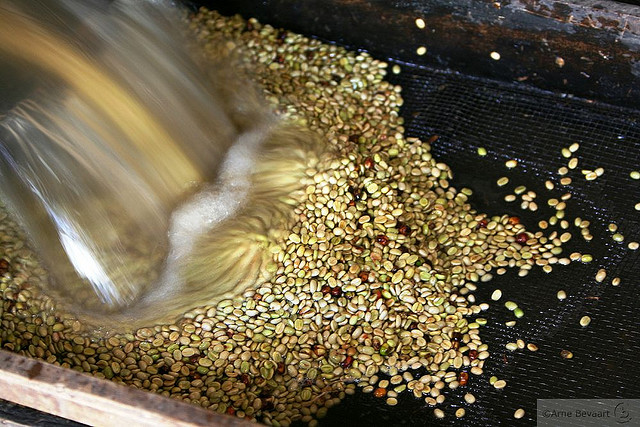
In Kenya’s coffee grading system, ‘AA’ refers to the largest and highest-quality beans, typically screen size 17 and 18. These beans are carefully sorted to ensure uniformity and quality. AA-grade Kenyan coffees are often associated with the brightest acidity and most complex flavours, making them highly sought after by specialty roasters and coffee enthusiasts. The Gatugi AA beans are no exception, representing the top tier of the region’s production.
Frequently Asked Questions
What makes Kenyan Nyeri coffee different from other regions?
Nyeri coffee is distinct due to its high-altitude growth (1600–2300m), volcanic soil, and focus on SL28 and SL34 varieties. These factors combine to produce coffees with intense acidity, complex fruit flavours (like blackcurrant and cranberry), and a wine-like brightness that sets Nyeri apart from other Kenyan regions or coffee-growing countries.
Why are SL28 and SL34 so important for Kenyan coffee?
SL28 and SL34 were developed by Scott Laboratories in the 1930s specifically for Kenya’s high-altitude conditions. SL28 offers bright citrus, deep blackcurrant notes, and balanced sweetness, while SL34 has a heavier body, bold acidity, and more resilience to rain. Together, they define the hallmark fruit-forward, winey profile of Kenya’s best coffees.
What does 'washed' mean in Kenyan coffee processing?
Washed processing, or fully washed, means the coffee cherries are pulped, fermented to remove mucilage (usually for 48 hours), then soaked in clean water (another 24 hours), and dried on raised beds. This method enhances clarity, acidity, and cleanliness in the cup—key traits in Kenyan coffee.
Is Gatugi a well-known washing station?
Gatugi is a respected washing station in Nyeri that processes coffee from local smallholder farmers. It focuses on SL28 and SL34 varieties at high altitudes and uses traditional washed methods to produce clean, bright AA-grade coffees with notable blackcurrant and cranberry notes.
What does AA grade signify in Kenyan coffee?
AA is Kenya’s top coffee grade, indicating the largest (screen size 17–18), highest-quality beans. AA-grade beans are sorted for uniformity and typically exhibit the brightest acidity and most complex flavours, especially in regions like Nyeri with optimal growing conditions.
Recommended FrontStreet Beans for Kenyan AA Fans
For those drawn to the bright, juicy profile of Kenya Nyeri Gatugi AA, try FrontStreet Coffee’s Kenya Little Tomato. It highlights the classic SL28 and SL34 varieties with notes of tomato, lime, tropical fruits, and blackcurrant—perfect for pour-over. Also consider FrontStreet’s classic Kenya offering, which balances winey acidity with citrus and stone fruit. These beans showcase the very qualities that make Nyeri coffees so sought after. Freshly roasted within 5 days · Orders placed before 17:00 ship the same day · Next-day delivery across most of Guangdong Province.
FrontStreet Coffee is a long-established specialty coffee roaster in Guangzhou China, selling freshly roasted beans from its own farm in Yunnan as well as dozens of carefully selected single-origin beans from around the world for both pour-over and espresso. The products deliver consistently excellent quality and great value, with shipping within 24 hours. Guangzhou's FrontStreet Coffee shop is recommended by many coffee lovers, and the beans are now available online at the Tmall 。
Important Notice :
前街咖啡 FrontStreet Coffee has moved to new addredd:
FrontStreet Coffee Address: 315,Donghua East Road,GuangZhou
Tel:020 38364473