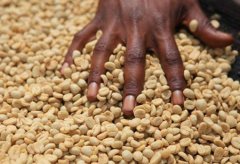
What Makes Ethiopian Harar Coffee Unique?
If you’ve ever sipped a cup of coffee that tasted like it came straight from the African wilderness—earthy, bold, maybe even a little funky—you might have been drinking Harar. But not all Harar tastes the same. Some cups hit you with heavy, boozy depth, while others surprise with delicate fruit or a whisper of dark chocolate. Why does one Ethiopian region produce such varied and intense flavors? And what makes Harar stand apart in the world of specialty coffee?
Harar coffee is one of Ethiopia’s most distinctive single origins, known for its wide range of flavor profiles—from wine-like and heavy to fruity and smooth—and for having one of the lowest caffeine contents among coffees. Its taste can shift dramatically even within the same region, offering an unpredictable and wild cupping experience.
The Origins of Coffee in Ethiopia
Ethiopia is the birthplace of coffee and home to the oldest coffee culture on Earth. Unlike commercial farms, most Ethiopian coffee is still grown by smallholder families using traditional, chemical-free farming methods. This commitment to heritage cultivation makes Ethiopian beans, including those from Harar and Yemeni Mocha, highly appealing to natural-focused coffee drinkers.
A Historical City and Its Noble Bean
Harar is more than just a coffee region—it’s a historic city and one of Islam’s four holy cities. Once the capital of Ethiopia, Harar has long been a crossroads of trade and culture. In the 13th century, Ethiopians were already roasting coffee on flat pans, helping pioneer early coffee culture. The city’s deep roots and historical significance are woven into the identity of its coffee.
Why Harar Coffee Tastes So Different
Harar coffee is famous for its “wild” character. Some cups are thick, low in acidity, and carry strong winey or fermented notes. Others are bright and silky, with light fruitiness or a surprising finish of black chocolate. These dramatic shifts in flavor aren’t just random—they reflect the region’s diverse microclimates, processing variability, and the genetic richness of Ethiopia’s native Arabica varieties. The result? A coffee that defies uniformity and challenges your palate.
The Horse on the Bag: A Symbol of Quality
In the days when horses were the primary mode of transport, purebred Arabian stallions were among Ethiopia’s most prized possessions. Harar was known for having some of the finest examples. This cultural reverence for pure bloodlines extended to coffee grading—where the best beans were likened to these elite horses. To this day, Harar coffee packaging often features horse imagery, a nod to its legacy as a premium, almost noble-grade coffee.
Low Caffeine, High Impact
One of Harar’s lesser-known traits is its unusually low caffeine content compared to other coffees. While exact levels vary by batch, this contributes to its smoother feel in the cup despite its often bold flavors. It’s a coffee that can deliver intensity without the typical jolt, making it a favorite for those sensitive to caffeine but unwilling to sacrifice complexity.
How Harar Compares to Other Ethiopian Regions
While Yirgacheffe and Sidamo often steal the spotlight for their bright, citrusy profiles, Harar stands apart with its earthier, more unpredictable range. Yirgacheffe (grown around 2,000 meters) is celebrated for its white floral notes and citrusy acidity, especially in washed lots like FrontStreet’s Gedeb. Sidamo, at 1,400–2,200 meters, offers more fruity depth and sweetness, particularly in natural processed beans like the fruity FrontStreet Huakui. Harar, however, brings a wilder, more rustic edge—sometimes winey, sometimes chocolaty, always unique.
Frequently Asked Questions
What does Harar coffee taste like?
Harar coffee can taste wildly different from cup to cup. Common profiles include winey and bold with heavy body, fruity and smooth with light acidity, or even ending with notes of black chocolate. Its diversity comes from microclimate variations and traditional processing methods.
Where is Harar coffee from?
Harar coffee comes from the Harar region in eastern Ethiopia. Harar is a historic city and former capital, known for its deep coffee heritage and status as one of Islam’s four holy cities.
Why does Harar coffee have such varied flavors?
The flavor variation in Harar coffee is due to diverse microclimates, traditional farming practices, and the use of Ethiopia’s many native Arabica varieties. Processing methods also differ, contributing to the wide range of tasting experiences.
Is Harar coffee low in caffeine?
Yes, Harar coffee is known to have lower caffeine content compared to many other coffee varieties, though exact levels vary. This contributes to a smoother cup despite its often intense flavors.
How is Harar coffee different from Yirgacheffe or Sidamo?
Yirgacheffe is known for bright, citrusy, and floral notes (often at 2,000m elevation), while Sidamo offers a balance of fruitiness and sweetness (1,400–2,200m). Harar is bolder, earthier, and more unpredictable, often with winey or chocolatey characteristics.
Does Harar coffee come from wild or native coffee plants?
Harar coffee is grown from Ethiopia’s native Arabica varieties, which grow wild and have not been standardized like commercial cultivars. This genetic diversity contributes to its unique cup profile.
Recommended FrontStreet Beans for Harar Lovers
For those drawn to Harar’s wild and complex profile, try FrontStreet’s Ethiopia Huakui—a naturally processed Sidamo offering berry-like sweetness and tropical depth. Alternatively, the FrontStreet Gedeb (Yirgacheffe) delivers bright citrus and floral notes with a crisp acidity, showcasing Ethiopia’s vibrant side. Both beans highlight the diversity of Ethiopian single origins. Freshly roasted within 5 days · Orders placed before 17:00 ship the same day · Next-day delivery across most of Guangdong Province.
FrontStreet Coffee is a long-established specialty coffee roaster in Guangzhou China, selling freshly roasted beans from its own farm in Yunnan as well as dozens of carefully selected single-origin beans from around the world for both pour-over and espresso. The products deliver consistently excellent quality and great value, with shipping within 24 hours. Guangzhou's FrontStreet Coffee shop is recommended by many coffee lovers, and the beans are now available online at the Tmall 。
Important Notice :
前街咖啡 FrontStreet Coffee has moved to new addredd:
FrontStreet Coffee Address: 315,Donghua East Road,GuangZhou
Tel:020 38364473