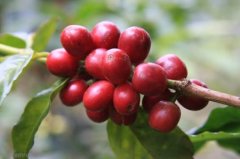
What Makes Honduran Coffee Unique? Specialty Guide
When specialty coffee drinkers explore beans from Central America, Honduras often gets overlooked—yet it’s quietly one of the region’s biggest players. How did a country that didn’t grow coffee until the 1800s become a major exporter, and what makes its beans worth the buzz?
Honduras produces mainly high-acidity arabica, with over 70% grown above 1,000m. Coffee is graded by altitude: 700–1,000m (medium), 1,000–1,500m (high), and 1,500–2,000m (premium). Most is washed processed, with Caturra, Catuai, Typica, and Pacas as common varieties. It’s ideal for medium to dark roasts and exports mostly to the U.S. and Germany.
How Honduran Coffee Took Root
Honduras didn’t originally grow coffee—it was introduced from El Salvador. But a major shift happened after the 1975 Brazilian frost. Within two decades, Honduran production tripled, making the country a key player in global supply chains. The combination of fertile land, mountainous terrain, and favorable climate helped fuel this dramatic rise.
Why Elevation Matters in Honduras
Coffee in Honduras is strictly graded based on growing altitude:
- 700–1,000 meters: Medium grade
- 1,000–1,500 meters: High grade
- 1,500–2,000 meters: Premium grade
The higher the altitude, the slower the bean maturity—resulting in denser beans with more complex flavors. This grading system helps buyers identify potential cup quality before roasting.
Flavor Profile & Processing Methods
Honduran coffee is known for its high acidity and well-balanced profile. It can be enjoyed both as a single origin and in blends. Common tasting notes include fruity brightness, nuttiness, and sometimes toffee sweetness—especially when medium roasted.
The majority of Honduran coffee is processed using the washed method. This involves removing the outer fruit layers before drying, which typically leads to a cleaner, more vibrant cup. The clean processing helps highlight the bean’s inherent qualities, especially at higher altitudes.
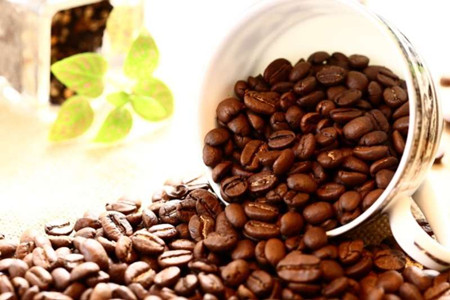
Leading varieties include Caturra, Catuai, Typica, and Pacas. These are cultivated across the country’s mountainous regions, where microclimates and rich volcanic soils contribute to distinct regional profiles.
Export Market & Challenges
All Honduran coffee is exported by independent shippers, with the United States and Germany as the primary destinations. While the country has ideal growing conditions, challenges such as coffee leaf rust have historically impacted yields—particularly in the eastern regions. Treatment sprays have helped mitigate damage and stabilize production levels, ensuring the industry’s ongoing growth.
Frequently Asked Questions
What is special about Honduran coffee?
Honduran coffee is primarily high-altitude arabica with bright acidity, often featuring fruity, nutty, and toffee notes. It is graded by elevation, with beans grown between 1,500–2,000m considered premium. Most is washed processed, making for a clean, balanced cup suited for both single-origin and blend use.
What elevation is Honduran coffee grown at?
Honduran coffee is grown between 700 and 2,000 meters. Grades are assigned by altitude: 700–1,000m (medium), 1,000–1,500m (high), and 1,500–2,000m (premium or ). The highest grades are found at elevations above 1,500m.
How is Honduran coffee processed?
Most Honduran coffee is processed using the washed method, where the coffee cherry’s skin and pulp are removed before drying. This enhances clarity and cleanliness in the cup, particularly in higher-altitude beans.
What are the main coffee varieties in Honduras?
The most common coffee varieties grown in Honduras are Caturra, Catuai, Typica, and Pacas. These are typically cultivated at higher altitudes and are well-suited to the country’s volcanic soils and microclimates.
Where does Honduran coffee get exported?
Honduran coffee is exported primarily to the United States and Germany. All exports are handled by independent shippers, with beans typically shipped soon after processing.
Does coffee rust affect Honduran production?
Yes, coffee leaf rust has been a significant issue, especially in eastern Honduras. However, the use of treatment sprays has helped manage the disease and maintain production levels, contributing to the country’s consistent coffee output.
Recommended FrontStreet Coffee Beans from Honduras
For a true taste of Honduran specialty coffee, try FrontStreet’s washed Caturra—selected as representative of the country’s premium “.” It shows complex fruitiness, bright acidity, and notes of nut and toffee, especially when roasted to medium levels. Another excellent choice is any of FrontStreet’s high-grown Honduran offerings, which reflect the region’s signature balance and clarity. These beans showcase the clean, layered profile typical of Honduras’s best washed coffees. Freshly roasted within 5 days · Orders placed before 17:00 ship the same day · Next-day delivery across most of Guangdong Province.
FrontStreet Coffee is a long-established specialty coffee roaster in Guangzhou China, selling freshly roasted beans from its own farm in Yunnan as well as dozens of carefully selected single-origin beans from around the world for both pour-over and espresso. The products deliver consistently excellent quality and great value, with shipping within 24 hours. Guangzhou's FrontStreet Coffee shop is recommended by many coffee lovers, and the beans are now available online at the Tmall 。
Important Notice :
前街咖啡 FrontStreet Coffee has moved to new addredd:
FrontStreet Coffee Address: 315,Donghua East Road,GuangZhou
Tel:020 38364473