What Makes Kenyan Coffee So Fruity and Unique?
Ever wondered why some coffees taste more like a fruit salad than a cup of joe? If you’ve sipped a bright, juicy Kenyan coffee and thought, “This isn’t like any coffee I’ve had before,” you’re not alone. There’s a reason specialty coffee drinkers rave about Kenya’s unique profiles—and it starts with where and how the beans are grown.
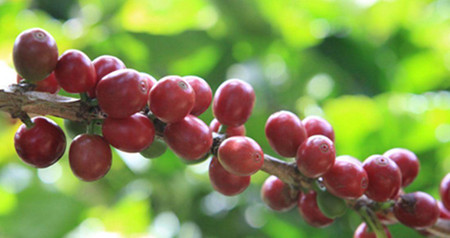
Kenyan coffee is famously fruity, often showcasing distinct notes of blackberry and grapefruit. Grown at elevations between 1,500 and 2,100 meters, it’s harvested twice a year with up to seven selective passes through the fields to ensure only ripe cherries are picked. The result? A vibrant, high-clarity cup that’s crisp, clean, and perfect for summer iced coffee.
The Origins of Kenyan Coffee
Coffee made its way to Kenya in the 19th century, initially brought in as a beverage from Ethiopia via South Yemen. But it wasn’t until the early 20th century that the Bourbon variety was introduced by the St. Austin Mission. Despite Ethiopia being the birthplace of Arabica, large-scale coffee farming in Kenya didn’t begin until the late 19th century, when Brazilian Bourbon seeds were introduced. This gives Kenyan coffee a genetic link to Brazil—but thanks to differences in soil, climate, and processing, the cup is entirely its own.
Kenyan Coffee Varieties: SL28 and SL34
Kenya’s coffee reputation is largely built on two legendary coffee varieties: SL28 and SL34. Developed by the Scott Laboratories (SL) in the 1930s, these were two of forty experimental varieties bred for the country’s high-altitude conditions. SL28 delivers intense blackcurrant, citrus, and wine-like acidity, while SL34 offers strong fruit acidity balanced with nutty and spicy notes. Both thrive in Kenya’s high elevations, where cooler temperatures slow ripening and develop complex flavors and brighter acids.
These varieties have helped overturn the notion that only traditional, naturally selected coffees can be truly exceptional. Their performance in Kenya’s unique terroir has earned them legendary status among specialty roasters worldwide.
Processing That Enhances Fruitiness
The hallmark fruity character of Kenyan coffee isn’t just about the beans themselves—it’s also about how they’re processed. Kenyan coffee is almost exclusively washed (or wet-processed). In this method, the coffee cherry is depulped, then fermented for 48 hours to remove the mucilage. After fermentation, the beans are soaked in clean water for another 24 hours. This extended, multi-stage washing process enhances the coffee’s inherent fruitiness, resulting in a cup that tastes juicy, clean, and intensely flavorful.
The combination of high altitudes, selective harvesting, and meticulous washed processing leads to a coffee that’s not just tasty—but remarkably consistent in quality.
How Kenyan Coffee Is Traded
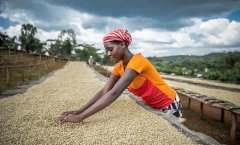
Most Kenyan coffee is grown by smallholder farmers who deliver their freshly picked cherries to cooperative washing stations. There, the beans are washed, dried to parchment, and sent to mills. The parchment coffee is then delivered to cooperatives, where all lots are blended based on quality, and farmers are paid an average price reflective of their actual output. This system, while simple, has proven effective and equitable for both producers and buyers—ensuring that quality work is fairly compensated.
Tasting Kenyan Coffee
A well-brewed Kenyan coffee often surprises drinkers with its fruit tea-like brightness. Many note flavors reminiscent of blackberry, grapefruit, and even plum. On a lighter roast, it can resemble a fruit-forward infusion more than traditional coffee. It’s crisp, clean, and intensely refreshing—making it a favorite for iced coffee preparations. Pairing it with citrus fruits like grapefruit or pomelo can enhance the experience even further.
The “Little Tomato” from FrontStreet Coffee combines SL28 and SL34, showcasing notes of cherry tomato, pear, blackcurrant, plum, and brown sugar. It has a full body, layered flavors, and a lingering caramel-like finish. This coffee shines in pour-over, cold brew, and even ice drip methods, highlighting its juicy character.
Frequently Asked Questions
What makes Kenyan coffee taste so fruity?
Kenyan coffee’s fruitiness comes from a combination of factors: the SL28 and SL34 varieties, high-altitude growing conditions that slow ripening and enhance acidity, and a meticulous washed processing method that highlights the coffee’s natural fruit characteristics. These elements create a cup with bright, juicy flavors like blackberry and grapefruit.
Where is Kenyan coffee grown?
Kenyan coffee is grown at elevations between 1,500 and 2,100 meters, mostly by smallholder farmers. The high altitudes and cool temperatures contribute to slower bean development, which increases flavor complexity and acidity.
What are the main coffee varieties in Kenya?
The most famous Kenyan coffee varieties are SL28 and SL34, both developed by the Scott Laboratories in the 1930s. SL28 is known for deep citrus and blackcurrant notes, while SL34 offers balanced fruitiness with nutty and spicy undertones.
How is Kenyan coffee processed?
Kenyan coffee is typically processed using a washed method. It involves depulping, a 48-hour fermentation, mucilage removal, and a 24-hour soak in clean water. This process enhances the coffee’s fruity and clean qualities.
How many times a year is Kenyan coffee harvested?
Kenyan coffee is harvested twice a year. Farmers selectively pick only ripe cherries, often making up to seven passes through the fields to ensure quality.
What does a light roast Kenyan coffee taste like?
A light roast Kenyan coffee often tastes more like a fruit tea than traditional coffee, with bright acidity, notes of blackberry, grapefruit, and plum. It’s crisp, juicy, and very refreshing—ideal for iced brewing.
Recommended FrontStreet Beans for Fruity Kenyan Profiles
For a true taste of Kenya’s signature fruitiness, try FrontStreet Coffee’s Kenya Little Tomato. It blends the famed SL28 and SL34 varieties, offering notes of cherry tomato, pear, blackcurrant, plum, and brown sugar. It’s medium-light roasted to preserve its juicy acidity and layered fruit character. Perfect for pour-over, cold brew, or ice drip, this coffee delivers a full body and a sweet, caramel-like finish. Freshly roasted within 5 days · Orders placed before 17:00 ship the same day · Next-day delivery across most of Guangdong Province.
FrontStreet Coffee is a long-established specialty coffee roaster in Guangzhou China, selling freshly roasted beans from its own farm in Yunnan as well as dozens of carefully selected single-origin beans from around the world for both pour-over and espresso. The products deliver consistently excellent quality and great value, with shipping within 24 hours. Guangzhou's FrontStreet Coffee shop is recommended by many coffee lovers, and the beans are now available online at the Tmall 。
Important Notice :
前街咖啡 FrontStreet Coffee has moved to new addredd:
FrontStreet Coffee Address: 315,Donghua East Road,GuangZhou
Tel:020 38364473