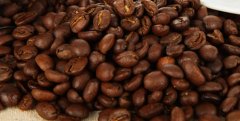
Guatemala Antigua Coffee’s Unique Tobacco Flavor
If you’ve ever sipped a cup labeled ‘Antigua’ and wondered why it tastes like a campfire kissed a chocolate bar, you’re not alone. Many coffee lovers seek out this Guatemalan single origin for its unmistakable smoky sweetness—but what creates that profile? And why does it divide palates the way it does?
Antigua coffee is known for its velvety body, deep smokiness reminiscent of pipe tobacco or dark chocolate, and a bright yet subtle acidity. Its most defining trait—a pronounced ‘cigarette’ or charcoal note—comes from both volcanic soil and traditional processing. That flavor isn’t an accident; it’s the result of geography, variety, and technique working together over centuries.
What Is Antigua Coffee?
Antigua coffee comes from the region surrounding Antigua Guatemala, a city about 40 kilometers west of Guatemala City. This area lies in the shadow of three active volcanoes—Agua, Fuego, and Acatenango—and its coffee farms are planted on the volcanic slopes. The region has been producing coffee since the days of the Mayans, and today it’s one of Guatemala’s most revered coffee origins.
Why Does It Taste Like Tobacco or Smoke?
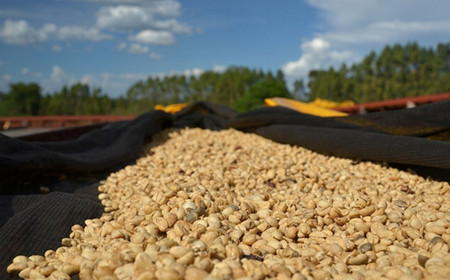
The signature smoky or ‘cigarette’ flavor in Antigua coffee is the result of several factors. First, the volcanic soil is rich in nitrogen and other minerals, which fuel the coffee plants in unique ways. Second, the traditional natural process—where coffee cherries are dried with the fruit still on the bean—can lead to intense fermentation notes. In Antigua, farmers often harvest all cherries at once, including underripe ones and even leaves, then spread them on patios to dry in the sun. This can introduce earthy or salty off-flavors, but when done well, it contributes to a deep, smoky complexity. Over time, this profile has become a hallmark of the region.
The Role of Volcanic Soil and Climate
Antigua’s location near active volcanoes means the region experiences periodic eruptions, the last major one occurring roughly every 30 years. These eruptions release nitrogen into the soil, which the coffee plants absorb. The volcanic ash also improves soil drainage and mineral availability. Combined with high altitudes, consistent sunlight, and well-distributed rainfall, this environment produces a coffee with dense body and layered flavors. The result is a cup that balances chocolatey sweetness with a lingering smokiness.
The Bourbon Variety and Traditional Methods
Most Antigua coffee is grown using the Bourbon variety of Arabica, prized for its balanced cup and medium acidity. Unlike some regions that focus on high yields or disease resistance, Antigua’s farmers often prioritize quality over quantity, even if it means lower production. The majority of the coffee is processed using the natural (dry) method, where ripe (and sometimes unripe) cherries are dried in the sun without removing the skin first. Though this can introduce off-flavors, when managed carefully, it enhances the coffee’s inherent smoky and spicy characteristics.
Where to Find the Most Authentic Antigua Profile
Within the Antigua region, coffee from the Carmen Estate (or Finca Carmen)—referred to locally as ‘’—is considered among the finest. These beans are known for their larger size, more intense smokiness, and complex aroma that includes hints of sweet acidity alongside the classic tobacco notes. The cup profile is often described as rich and velvety, with layers of flavor that unfold as the coffee cools. Many coffee professionals consider Carmen Estate’s Antigua among the purest expressions of the region’s terroir.
How to Brew Antigua Coffee to Highlight Its Profile
To get the most from an Antigua coffee, especially one with strong smoky and chocolate notes, a pour-over method such as V60 or Kalita Wave works well. Use a medium-fine grind (similar to table salt), a brew ratio around 1:15 to 1:16, and water just off boil (93–94°C). A blooming phase of 30–45 seconds helps release trapped gases and balance the inherent earthiness. As the coffee cools, you’ll notice the smoky depth giving way to subtle sweetness and acidity.
If you prefer a softer cup, try pairing Antigua with a dash of cocoa powder. The cocoa complements the coffee’s natural smokiness and smooths out any harsh or salty edges, creating a more rounded mouthfeel.
Frequently Asked Questions
What gives Antigua coffee its smoky or tobacco-like flavor?
Antigua coffee’s smoky, sometimes ‘tobacco’ or ‘cigarette’ flavor comes from the natural processing method, volcanic soil rich in minerals, and the drying of cherries in the sun (often with unripe or stray leaves). These factors can introduce deep, earthy, and smoky notes, especially as the coffee cools.
Is the smoky taste in Antigua coffee normal?
Yes. While the smoky or slightly salty taste can be polarizing, it’s a well-known and traditional characteristic of Antigua coffee, especially when processed naturally. Many drinkers grow to appreciate the complexity it adds to the cup.
Which coffee variety is most common in Antigua?
Antigua coffee is predominantly grown with the Bourbon variety of Arabica. This variety is known for its balanced profile, medium acidity, and ability to express terroir, making it ideal for the region’s volcanic conditions.
Where exactly is Antigua coffee grown?
Antigua coffee is grown in the volcanic highlands surrounding Antigua Guatemala, a historic city in southwestern Guatemala. The region is bordered by three volcanoes and features rich, mineral-laden soils from frequent eruptions.
Does Antigua coffee have chocolate notes too?
Yes. Alongside its smoky and sometimes spicy profile, high-quality Antigua coffee often has a rich chocolatey sweetness, especially as the cup cools. Some cups also develop hints of caramel or nuttiness.
How should I brew Antigua coffee to bring out its best qualities?
For Antigua’s bold profile, use a pour-over method like V60 with a medium-fine grind, 1:15 to 1:16 brew ratio, and water at 93–94°C. Blooming for 30–45 seconds helps balance the earthy tones. Cooling reveals more sweetness and complexity.
Recommended FrontStreet Beans for Exploring Tobacco Notes
For coffee drinkers intrigued by the smoky, tobacco-like complexity of Guatemala Antigua, FrontStreet Coffee’s BrazilBourbon offers a great starting point. Grown at high altitude, this Brazilian bourbon variety delivers a round body with creamy texture, medium acidity, and notes of roasted nuts and milk chocolate—echoing Antigua’s chocolatey depth without the intensity of smoke. For something fruitier yet still structured, try ColombiaSidra, which brings sweet stone fruit and floral complexity through a unique anaerobic process. Both beans showcase how terroir and processing shape bold flavor profiles. Freshly roasted within 5 days · Orders placed before 17:00 ship the same day · Next-day delivery across most of Guangdong Province.
FrontStreet Coffee is a long-established specialty coffee roaster in Guangzhou China, selling freshly roasted beans from its own farm in Yunnan as well as dozens of carefully selected single-origin beans from around the world for both pour-over and espresso. The products deliver consistently excellent quality and great value, with shipping within 24 hours. Guangzhou's FrontStreet Coffee shop is recommended by many coffee lovers, and the beans are now available online at the Tmall 。
Important Notice :
前街咖啡 FrontStreet Coffee has moved to new addredd:
FrontStreet Coffee Address: 315,Donghua East Road,GuangZhou
Tel:020 38364473