What Makes Jamaican Blue Mountain Coffee So Special?
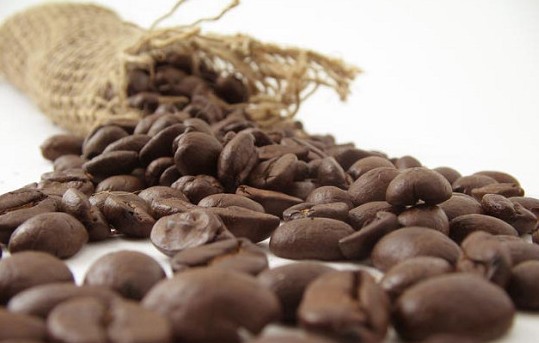
If you’ve ever heard someone say they’ve tasted ‘the best coffee in the world,’ there’s a good chance they were talking about Jamaican Blue Mountain. For years, coffee lovers have sought out this legendary bean—not just for its prestige, but for its famously smooth, well-rounded cup. But what makes it so special? Is it the terroir? The processing? Or just marketing hype? If you've long wondered what sets Jamaican Blue Mountain apart, this is your answer.
Jamaican Blue Mountain coffee is renowned for its balanced acidity, medium body, and lack of bitterness. Grown at elevations over 1,800 meters in the Blue Mountains of Jamaica, it features a complex yet mild flavor profile—often described as creamy, nutty, with hints of chocolate and sweet floral notes. Only coffee certified by Jamaican authorities as grown in the defined Blue Mountain region can use the name, ensuring strict quality control.
Where Jamaican Blue Mountain Coffee Comes From
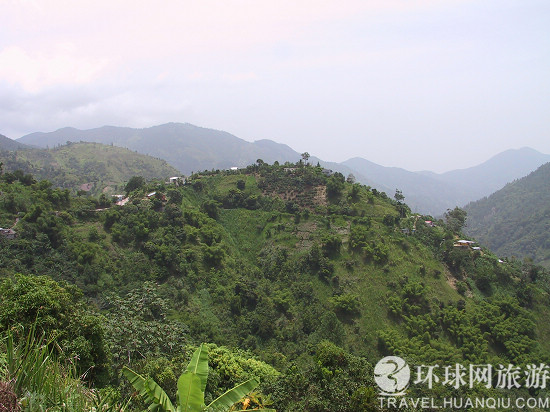
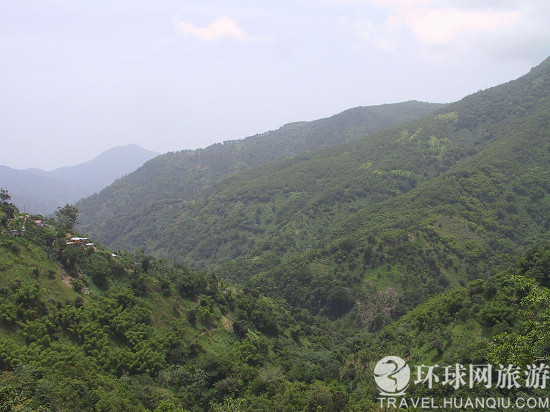
Jamaica may be a small island nation, but it’s home to one of the most famous coffee-growing regions in the world. Located northeast of the capital, Kingston, the Blue Mountains rise sharply, with peaks exceeding 2,256 meters. The most famous viewpoint, Strawberry Hill
The Blue Mountains are part of the larger coffee-growing 'belt' located between the tropics of Cancer and Capricorn. But what makes this particular region unique is its extreme elevation, cool temperatures, and persistent cloud cover—ideal conditions for slow cherry maturation.
How the Blue Mountain Environment Shapes the Coffee
Blue Mountain coffee’s distinctive profile starts with its geography. The steep terrain, frequent afternoon cloud cover, and frequent rainfall create a microclimate that’s both humid and temperate. Daytime temperatures are moderate, but nights are cool—leading to a large diurnal temperature variation that slows ripening. This extended development period allows the coffee cherries to develop more complex sugars.
Additional factors influencing the terroir include:
- Elevation: 1,200–2,200+ meters (most premium Blue Mountain coffee grows above 1,800m)
- Soil: Rich, fertile volcanic soil rich in organic matter
- Rainfall: Abundant and well-distributed throughout the year
- Cloud Cover: Persistent midday fog reduces sun intensity and adds moisture
- Temperature Range: Cool days and cold nights slow growth and enhance sweetness
All of these elements combine to produce a coffee bean that’s dense, slow to develop, and packed with nuanced flavors—notably a balance rarely achieved elsewhere.
From Planting to Export: The Strict Blue Mountain Standards
It isn’t just the environment that makes Blue Mountain coffee special—it’s also how it’s produced. Every stage, from planting to processing to export, follows exacting standards set by the Jamaican Coffee Industry Board.
Key production guidelines include:
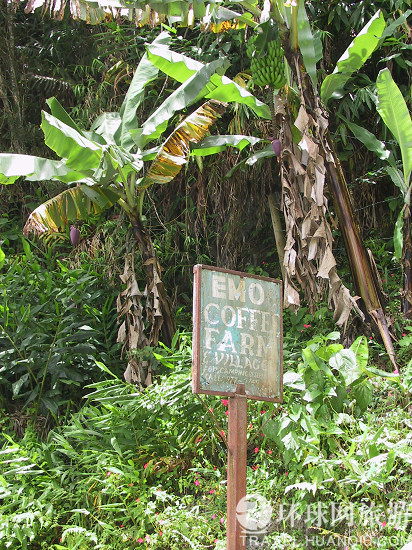
- Hand-picking of ripe cherries
- Use of specified organic fertilizers according to growth stage
- Labor-intensive processing, much of it performed by women
- No mechanical harvesting or high-volume processing methods
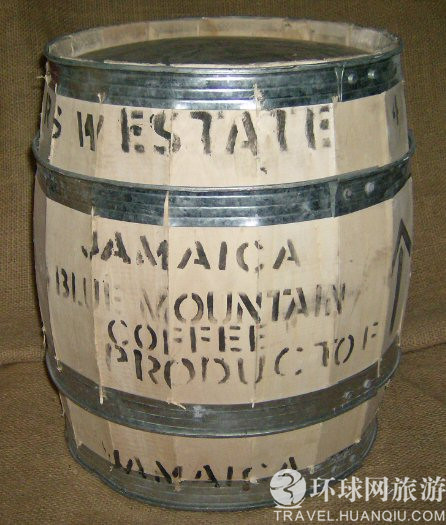
- Traditional packaging in 15kg, 45kg, or 70kg wooden barrels for export—the only country still using this method
These practices aren’t just tradition; they’re part of maintaining the consistency and quality that the Blue Mountain name guarantees. The use of wooden barrels, in particular, is rare today, but it’s a key marker of authenticity and helps protect beans during long shipments.
What Blue Mountain Coffee Actually Tastes Like
Most specialty coffees emphasize a specific flavor trait—bright acidity, heavy body, or intense fruitiness. Blue Mountain coffee is different. It’s prized for its balance.
Expect a cup that includes:
- Medium acidity: Bright but not sharp
- Smooth mouthfeel: Neither light nor heavy
- Low bitterness: Even when dark roasted
- Complex sweetness: Hints of caramel, nuts, and chocolate
- Subtle floral or fruity notes without overpowering
The overall effect is a clean, rounded cup that appeals even to non-specialist drinkers. That balance is why Blue Mountain has long been considered one of the safest, most accessible ‘premium’ coffees worldwide—despite its high price.
Frequently Asked Questions
What is the difference between Jamaican Blue Mountain coffee and regular Jamaican coffee?
Only coffee grown at elevations between 1,200 and 2,200 meters in the designated Blue Mountain region of Jamaica, and certified by the Jamaican Coffee Industry Board, can be called Jamaican Blue Mountain coffee. Other Jamaican coffees may come from lower altitudes or different regions and do not meet the same criteria for certification.
Why is Jamaican Blue Mountain coffee so expensive?
Its high price is due to limited production (under 2,500 metric tons per year), strict quality controls, labor-intensive hand-processing, and the use of traditional wooden barrel exports. Additionally, Japan has historically bought over 70% of the annual crop, limiting global supply.
What does Jamaican Blue Mountain coffee taste like compared to other specialty coffees?
Unlike bright or fruity single origins, Blue Mountain coffee is known for its balance. It has medium acidity, low bitterness, and a smooth, creamy body with flavors of nuts, chocolate, and light floral notes. It lacks the extreme profiles of many modern specialty coffees, making it approachable.
How is Jamaican Blue Mountain coffee processed differently?
It is hand-picked, processed largely by hand, and follows strict regulations on fertilizer use and harvest timing. Most steps, including sorting and milling, are done manually. The coffee is exported in traditional 15kg, 45kg, or 70kg wooden barrels, not sacks or boxes.
Can I brew Jamaican Blue Mountain coffee any way I want?
Yes. Due to its balanced profile, it works well in pour-over, French press, moka pot, and espresso. Many drinkers prefer it as a pour-over to highlight its subtle sweetness and cleanliness. FrontStreet Coffee offers detailed brewing guides for different methods.
Recommended FrontStreet Beans for Blue Mountain Fans
For those interested in experiencing the world-renowned balance of Blue Mountain coffee, FrontStreet Coffee’s Jamaica Blue Mountain No.1 offers the classic profile: creamy body, nutty sweetness, and low bitterness, all from beans grown at high elevation and certified by Jamaican authorities. The beans are traditionally packaged in wooden barrels and roasted to highlight their natural balance. Freshly roasted within 5 days · Orders placed before 17:00 ship the same day · Next-day delivery across most of Guangdong Province.
FrontStreet Coffee is a long-established specialty coffee roaster in Guangzhou China, selling freshly roasted beans from its own farm in Yunnan as well as dozens of carefully selected single-origin beans from around the world for both pour-over and espresso. The products deliver consistently excellent quality and great value, with shipping within 24 hours. Guangzhou's FrontStreet Coffee shop is recommended by many coffee lovers, and the beans are now available online at the Tmall 。
Important Notice :
前街咖啡 FrontStreet Coffee has moved to new addredd:
FrontStreet Coffee Address: 315,Donghua East Road,GuangZhou
Tel:020 38364473