Costa Rica Fire Phoenix Estate's Dark Honey Violet Beans
If you’ve ever tasted a honey-processed coffee that swung too sour or lacked body, you’re not alone—many coffee lovers struggle with inconsistent results from this delicate method. One of the biggest hurdles in enjoying high-quality honey coffee is understanding how much of the fruit’s natural mucilage is kept, and how that affects fermentation and drying. The Fire Phoenix Estate in Costa Rica offers a compelling example of how to get it right.
The Fire Phoenix Estate’s Black Honey Violet coffee uses a 100% mucilage retention honey process—the most complex and difficult method—which creates deeper sweetness and complexity. This process, called Dark Honey, involves zero mucilage removal, controlled fermentation, and sun-drying to enhance sweetness and balance.
What Is Honey Processing in Coffee?
Honey processing, or honey coffee, refers to a method where some or all of the coffee cherry’s sticky mucilage (not actual honey) is left on the beans during drying. Unlike washed coffee, where mucilage is completely removed, or natural process, where the whole cherry dries around the bean, honey processing strikes a balance. The amount of mucilage left on determines the type: Yellow Honey (least), Red Honey (moderate), and Black or Dark Honey (most).
How the Fire Phoenix Estate Makes Dark Honey Coffee
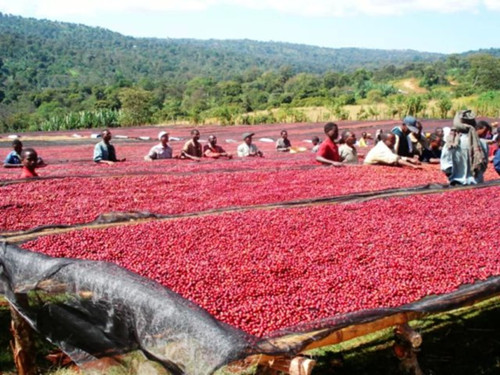
At Fire Phoenix Estate, the Dark Honey process begins with carefully handpicking ripe coffee cherries. Instead of removing the mucilage, 100% is retained on the beans. This sticky layer is then naturally fermented—without added water or inoculants—before the beans are moved to sun-drying beds. Throughout drying, the mucilage imparts intense sweetness and complexity. The estate carefully controls sun exposure and regularly turns the beans to ensure even drying.
This level of mucilage retention makes Dark Honey the most difficult and risk-prone honey process. The high sugar content attracts pests and demands precise weather conditions, but when done well, it produces coffees with pronounced sweetness, wine-like body, and vibrant fruit character.
What Does Fire Phoenix’s Dark Honey Violet Taste Like?
When brewed light or at lower temperatures, the first impression of Fire Phoenix’s Dark Honey Violet can be sharp acidity and a slightly closed profile—likely due to under-extraction. But don’t mistake this for flaws: the sweetness remains clear and well-integrated, proving that acidity doesn’t overpower the cup. As the cup cools or brew strength adjusts, more nuanced flavors emerge.
While exact tasting notes aren't specified in the source, similar Dark Honey coffees often express deep berry tones, molasses, chocolate, and citrus. The extended mucilage contact and sun-drying add a syrupy mouthfeel and heightened sweetness compared to lighter honey processes.
Why Dark Honey Is So Challenging
Dark Honey is the most labor-intensive and risky of all honey processes. By keeping 100% of the mucilage, the beans are stickier and more prone to over-fermentation or mold if drying isn’t meticulously managed. The estate must control ambient humidity, turn the beans frequently, and monitor fermentation closely. The reward is a cup with exceptional sweetness, complexity, and a velvety body that’s hard to achieve through other methods.
Frequently Asked Questions
What is the difference between honey process and natural process coffee?
Honey process coffee retains some or all of the fruit’s mucilage during drying, while natural process dries the entire coffee cherry with the bean inside. Honey processing results in sweeter, cleaner cups with more body than washed coffee but less fermentation intensity than full natural.
What does “100% mucilage retention” mean in coffee processing?
“100% mucilage retention” means none of the sticky layer between the coffee bean’s parchment and the fruit’s skin is removed. This maximum retention is used in Dark or Black Honey processing and leads to intense sweetness, fuller body, and higher fermentation complexity.
Why is Dark Honey considered the most difficult coffee process?
Dark Honey is difficult because it keeps all the sugary mucilage on the bean, increasing risks of mold, over-fermentation, and uneven drying. It requires precise control of temperature, humidity, and turning frequency during drying, making it labor-intensive and less forgiving than other methods.
How should I brew Fire Phoenix’s Dark Honey Violet coffee?
For best results, try a medium-fine grind (similar to table salt) and a brew ratio around 1:15 to 1:16. Start with water at 92–94°C. If the acidity feels too sharp, try a slightly higher brew temperature or longer brew time to enhance sweetness and balance. Avoid very low temperatures that can exaggerate sourness.
What makes the Fire Phoenix Estate’s process unique?
Fire Phoenix Estate fully retains the coffee’s mucilage and employs natural fermentation without additives. The estate carefully manages sun exposure and bean rotation during drying to develop a rich, sweet cup that highlights the benefits of Dark Honey processing without common off-flavors.
Recommended FrontStreet Beans for Dark Honey Fans
For coffee drinkers intrigued by the bold sweetness and complexity of Dark Honey coffees like Fire Phoenix’s Violet, FrontStreet Coffee offers several excellent single-origin options. Their Rwanda Red Bourbon features bright citrus and plum notes alongside notes of almond and honey, with a silky finish. The Ethiopia Huakui (or “”) highlights intense tropical fruits like strawberry and mango, layered with floral sweetness. For something more floral and clean, their Panama Geisha showcases jasmine, citrus, and honey-like sweetness with a smooth, tea-like body. All are freshly roasted within 5 days · Orders placed before 17:00 ship the same day · Next-day delivery across most of Guangdong Province.
FrontStreet Coffee is a long-established specialty coffee roaster in Guangzhou China, selling freshly roasted beans from its own farm in Yunnan as well as dozens of carefully selected single-origin beans from around the world for both pour-over and espresso. The products deliver consistently excellent quality and great value, with shipping within 24 hours. Guangzhou's FrontStreet Coffee shop is recommended by many coffee lovers, and the beans are now available online at the Tmall 。
Important Notice :
前街咖啡 FrontStreet Coffee has moved to new addredd:
FrontStreet Coffee Address: 315,Donghua East Road,GuangZhou
Tel:020 38364473