What Makes Costa Rican Coffee So Bright and Acidic?
When coffee lovers seek a bright, complex cup with distinct acidity and a clean finish, many turn to Costa Rica—but what exactly makes its coffee stand out? Whether you're brewing pour-over or espresso, understanding the unique traits of Costa Rican beans can help you get the most out of your cup.
High-altitude Costa Rican coffee, especially from regions like Tarrazú, is celebrated for its intense brightness, sweet profile, and wine-like acidity. These beans are almost exclusively grown above 1,500 meters and processed via washed or honey methods—key factors behind their distinctive cup quality.
Why Costa Rican Coffee Tastes So Bright and Sweet
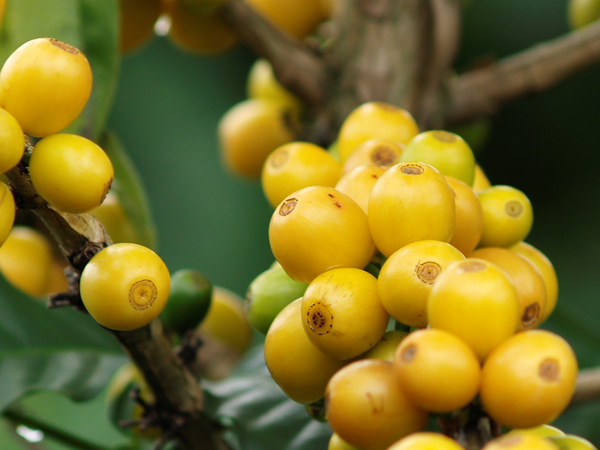
Costa Rican coffee is almost always Arabica, cultivated at elevations between 1,500 and 1,800 meters, particularly in regions such as Tarrazú. At these heights, cooler temperatures slow cherry maturation, leading to denser beans with more concentrated flavors. The high altitude also increases natural acidity, while frequent rainfall supports healthy tree growth. This combination results in a cup that’s vividly bright, sweet, and complex.
How Processing Defines the Flavor Profile
All commercial-grade Costa Rican coffee is processed using the washed (or wet) method, which highlights clarity, acidity, and cleanliness in the cup. In recent decades, some farms have adopted a local variation of honey processing—originally adapted from Brazil’s pulped natural method—to deal with water shortages. This technique retains varying amounts of the coffee cherry’s sticky mucilage (called “honey”) during drying, creating a spectrum of flavor intensity and sweetness.
The honey process is categorized into four types based on how much mucilage is left:
- Black Honey: Almost all mucilage is retained, dried slowly (up to 14 days), resulting in complex fruitiness and heavy sweetness.
- Red Honey: Partial mucilage removed, medium-slow drying, balanced sweetness and acidity.
- Yellow Honey: More mucilage removed, faster drying, brighter and lighter in flavor.
- White Honey: Least mucilage, fastest drying, clean and mild cup.
Tarrazú: Costa Rica’s Premier Coffee Region
Tarrazú, located south of the capital San José, is one of Costa Rica’s most respected coffee-growing areas. The region features volcanic, well-drained soils, dense forests for natural shade, and a climate marked by significant day-night temperature swings. Coffee here is typically grown between 1,700 and 1,800 meters, producing dense beans ideal for high-scoring specialty lots. The combination of terroir, elevation, and careful processing earns Tarrazú beans a global reputation for balance, clarity, and vibrant acidity.

What Makes Costa Rican Coffee Different from Others?
Unlike other origins that might lean heavily into earthy, spicy, or fruity profiles, Costa Rican coffee is prized for its clarity and balance. Thanks to strict quality controls—such as the country’s policy of dying substandard beans blue for domestic sale—export-grade Costa Rican coffee maintains an exceptionally high standard. Even when cooled, these coffees retain their sweetness, making them versatile for a range of brew methods. The official recommendation? Enjoy them lightly sweetened or black to appreciate their inherent qualities.
Frequently Asked Questions
What altitude is Costa Rican coffee grown at?
Costa Rican specialty coffee is grown at elevations of 1,500 meters and above, with premium lots often cultivated between 1,700 and 1,800 meters, particularly in regions like Tarrazú.
What coffee processing methods are used in Costa Rica?
The majority of Costa Rican coffee is processed using the washed method. In response to water scarcity, some farms also use a local honey process, which includes black honey, red honey, yellow honey, and white honey—based on how much fruit mucilage is left on the beans during drying.
Why is Costa Rican coffee so acidic?
The high altitude slows cherry ripening and increases acidity. Cooler temperatures and large diurnal shifts also contribute to a more complex and vibrant acid profile in the cup.
What does ‘hard bean’ or ‘strictly hard bean’ mean in Costa Rica?
These terms refer to coffee grown at higher altitudes (typically above 1,500 meters), where slower growth produces harder, denser beans with more concentrated flavor and acidity—key traits of premium Costa Rican lots.
Which honey process is the sweetest?
Black honey coffee retains nearly all the fruit mucilage and is dried slowly, resulting in the sweetest and most complex cup. Red honey is also sweet but with more balanced acidity.
Is Costa Rican coffee good for espresso?
Yes, its bright acidity, medium body, and clean sweetness make it a great choice for single-origin espresso or blends, especially when brewed to highlight its inherent sweetness.
Recommended FrontStreet Coffee Beans from Costa Rica
For fans of bright, sweet, and complex Costa Rican coffee, try FrontStreet Coffee’s (Blackberry), a black honey-processed lot with intense ripe berry notes and a rich, lingering sweetness. Also worth exploring is (Mozart), made with grape-dried raisin honey process, offering bold aromas of raisin, rose, and vinous fermentation. Both beans showcase the signature traits of Costa Rican terroir and processing innovation. Freshly roasted within 5 days · Orders placed before 17:00 ship the same day · Next-day delivery across most of Guangdong Province.
FrontStreet Coffee is a long-established specialty coffee roaster in Guangzhou China, selling freshly roasted beans from its own farm in Yunnan as well as dozens of carefully selected single-origin beans from around the world for both pour-over and espresso. The products deliver consistently excellent quality and great value, with shipping within 24 hours. Guangzhou's FrontStreet Coffee shop is recommended by many coffee lovers, and the beans are now available online at the Tmall 。
Important Notice :
前街咖啡 FrontStreet Coffee has moved to new addredd:
FrontStreet Coffee Address: 315,Donghua East Road,GuangZhou
Tel:020 38364473