Kenya Coffee Guide: Flavor, Regions, and Processing Methods
If you’ve ever sipped a cup of coffee and been hit with a sharp burst of citrus, followed by juicy blackcurrant and a wine-like finish, chances are you were drinking Kenyan coffee. But what makes these beans so distinct? And why do roasters and baristas around the world seek them out? This guide breaks down everything you need to know about Kenya’s iconic specialty coffee: where it grows, how it’s processed, and why its flavor stands apart.
Kenya’s best-known coffees, especially Kenya AA, are celebrated for their intense citrus (often grapefruit or orange), deep winey undertones, and balanced acidity. Grown at 1,500–2,100 meters, they’re double-harvested annually using a cooperative washing system and feature signature SL varietals like SL28 and SL34—beans that deliver a juicy, complex cup unlike any other origin.
What Does Kenyan Coffee Taste Like?
Kenya coffee is prized for its vibrant fruitiness and layered acidity. The most common descriptors include citrus (especially grapefruit), blackcurrant, and even plum or dark berry. These are backed by a wine-like richness and a clean, juicy mouthfeel. Acidity is prominent but not sharp—it’s more like the tartness of fresh fruit. Body is medium, making the coffee both structured and easy-drinking. Many industry professionals point to Kenya AA as the prime example: round beans, thick mucilage, and high heat tolerance during roasting produce a sweet, syrupy cup with strong aroma and balance. The classic flavor profile also includes notes of peach, wine, and citrus, often with a clean, crisp aftertaste.
Where Is Kenya Coffee Grown?
Kenya’s coffee thrives in high-altitude regions between 1,500 and 2,100 meters above sea level. Key growing areas include:
- Nyeri
- Murang’a
- Embu
- Meru
- Kirinyaga
- Bungoma
- Kisii
- Nakuru
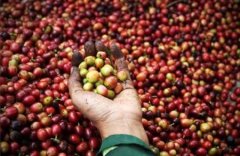
These regions’ cool temperatures slow cherry maturation, allowing sugars and acids to develop fully. The high elevation is one reason Kenyan beans develop such intense fruit flavors and firm acidity. Most farms are smallholder operations, with growers delivering ripe cherries to cooperative washing stations. There, beans are processed as parchment coffee before being sorted and sold through Kenya’s auction system.
How Is Kenyan Coffee Processed?
Kenya is renowned for its meticulous washed processing method, which plays a major role in its clean, bright cup profile. Here’s how it works:
- Cherries are handpicked when fully ripe.
- Skin and pulp are removed, then beans are fermented for 48 hours to break down mucilage.
- After fermentation, beans are washed with clean water and soaked for another 24 hours to remove any remaining residue.
- Finally, beans are dried on raised beds under controlled conditions.
This double-washed, extended fermentation enhances the coffee’s fruit acids and clarity. The result is a cup that bursts with brightness while maintaining structure and sweetness. The process is labor-intensive but critical to achieving Kenya’s signature profile.
The Role of SL28 and SL34 Varietals
Kenya’s most iconic coffee varieties are SL28 and SL34, both developed by the Scott Laboratories (SL) in the 1930s. These cultivars were selected for their ability to thrive at high altitudes and for their exceptional cup quality.
- SL28: Known for intense blackcurrant, citrus, and winey notes. Delivers a deep, resonant acidity with a sweet, creamy body.
- SL34: Offers a slightly more balanced profile with bright citrus, nutty undertones, and spicy complexity.
Both varieties perform best at elevations between 1,500–2,100 meters and contribute enormously to Kenya’s reputation for producing some of the most distinctive single-origin coffees in the world. Their performance is further enhanced by Kenya’s volcanic, high-phosphate soils.
How Is Kenyan Coffee Traded?
The Kenyan coffee supply chain is famously organized and transparent. Here’s how it works:
- All coffee is initially purchased by the Kenya Coffee Board (CBK).
- Beans are graded and cupped, then sold weekly at the Nairobi Coffee Auction.
- The auction is open to international buyers, with no pre-assigned grades—buyers bid based on sample quality.
- Grades range from PB (peaberry), AA++, AA+, AA, and AB, with AA being the most famous and sought-after.
- PB (peaberry) beans—small, rounded beans that occur when only one seed develops inside the cherry—are especially prized for their concentrated flavor.
Until recently, all coffee went through this auction system, though some changes have allowed for direct sales. Regardless, the process ensures traceability, quality control, and fair pricing based on cup quality. Notably, Germany and other Nordic countries are long-term buyers of top lots, favoring Kenya’s consistent excellence.
Kenya Coffee History and Challenges
Coffee arrived in Kenya in the 19th century via Ethiopia, but commercial production didn’t begin until the early 20th century when the Saint Austin Mission introduced Bourbon trees. The development of the SL varietals in the 1930s marked a turning point.
Today, Kenya’s coffee sector faces challenges including aging farmer populations, climate pressures, and calls for more direct trade models. However, the country maintains strict regulations against cutting down coffee trees, and its auction system remains a global model for transparency and quality assurance. The 1985 film Out of Africa also helped boost international visibility, romanticizing Kenya’s coffee landscapes and heritage.
Frequently Asked Questions
What does Kenyan coffee taste like?
Kenyan coffee is known for bright citrus flavors (like grapefruit or orange), deep blackcurrant or berry notes, and a wine-like acidity. It typically has a medium body, clean finish, and layered fruit complexity. Common tasting notes also include stone fruit, plum, and sweet spices.
Where in Kenya is coffee grown?
Kenya coffee is grown in high-altitude regions between 1,500 and 2,100 meters, including Nyeri, Kirinyaga, Embu, Meru, Murang’a, Bungoma, Kisii, Nakuru, and others. These areas provide ideal cool conditions for slow cherry development and high-quality flavor formation.
What are SL28 and SL34 coffee varieties?
SL28 and SL34 are elite coffee varietals developed by Kenya’s Scott Laboratories in the 1930s. They are renowned for their ability to produce complex, high-acid coffees with flavors of citrus, blackcurrant, wine, and stone fruit—especially when grown at high elevations.
How is Kenyan coffee processed?
Kenyan coffee is processed using an intricate washed method: cherries are depulped, fermented for 48 hours, washed, then soaked for another 24 hours before drying. This double-washed process enhances fruit acids and clarity, contributing to the coffee’s signature brightness and cleanliness.
How is Kenyan coffee sold and graded?
Kenyas coffee is auctioned weekly in Nairobi after being graded by the Coffee Board of Kenya. Grades include AA (the highest), AB, PB (peaberry), and others. Buyers bid based on sample quality, with no fixed pricing—quality determines value.
What makes Kenya AA coffee special?
Kenya AA is the top grade of Kenyan coffee, known for large beans, intense citrus and winey flavors, high acidity, and a rich, sweet cup. It’s grown at high altitudes, processed meticulously, and considered one of the finest examples of African single-origin coffee.
Recommended FrontStreet Coffee for Kenya Fans
For those drawn to Kenya’s signature fruit and acidity, try FrontStreet Coffee’s Kenya Little Tomato. It combines SL28 and SL34 beans using a double-washed process and medium-light roast to highlight notes of cherry, pear, blackcurrant, brown sugar, and a creamy body. Ideal for pour-over, cold brew, or iced methods, it captures Kenya’s bright complexity. Freshly roasted within 5 days · Orders placed before 17:00 ship the same day · Next-day delivery across most of Guangdong Province.
FrontStreet Coffee is a long-established specialty coffee roaster in Guangzhou China, selling freshly roasted beans from its own farm in Yunnan as well as dozens of carefully selected single-origin beans from around the world for both pour-over and espresso. The products deliver consistently excellent quality and great value, with shipping within 24 hours. Guangzhou's FrontStreet Coffee shop is recommended by many coffee lovers, and the beans are now available online at the Tmall 。
Important Notice :
前街咖啡 FrontStreet Coffee has moved to new addredd:
FrontStreet Coffee Address: 315,Donghua East Road,GuangZhou
Tel:020 38364473