
How to Choose Fresh Colombian Washed Coffee Beans
If you’ve ever bought a bag of ‘fresh’ coffee only to find it tastes stale or dull, you’re not alone. Many coffee drinkers struggle to identify which beans are truly fresh—and how origin, processing, and roast date impact what ends up in the cup. The truth is, freshness isn’t just about when you roast or open the bag. It starts with where and how the coffee was grown and processed.
To choose genuinely fresh Colombian coffee beans, look for a recent roast date (within 2–4 weeks), buy from a trusted single-origin source, and prioritise washed-process beans like those from Santa Rita Estate, which typically show brighter, cleaner flavours when fresh. Aim for beans harvested at higher altitudes (1600–2100m) with traceable farm processing.
Why Coffee Freshness Starts at Origin
Freshness in coffee doesn’t begin when you open the bag—it begins on the farm. In Colombia, coffee has been cultivated since the 16th century, with multiple origin stories tracing its arrival either from Haiti via El Salvador, from Venezuela via a priest in 1808, or through 1730s Jesuit records in Meta. By the late 1700s, missionaries had spread cultivation nationwide. Today, Colombia is the world’s second-largest coffee producer and the top exporter of both Arabica and washed coffee beans. Its reputation for ‘smooth, balanced, and silky’ cups has made its beans prized globally—as close to ‘green gold’ as coffee gets.
Colombia’s Coffee Geography and Terroir
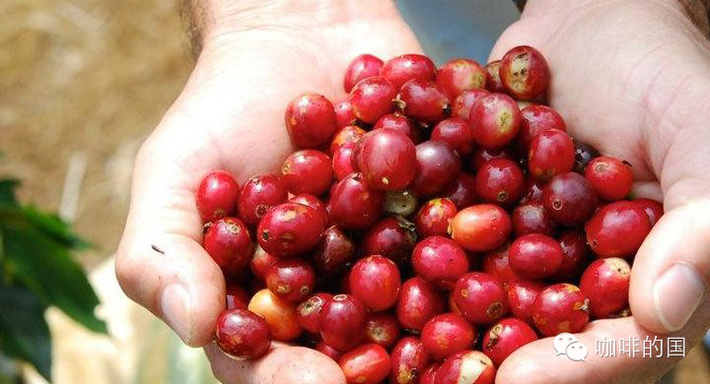
Colombia’s mountainous landscape, split by the Andes, creates distinct microclimates perfect for slow coffee maturation. Altitudes range from 800 to over 2300 metres, with most specialty production above 1500m. The three main regions—northern, central, and southern—each offer different profiles. Southern regions like Huila dominate the high-scoring competition coffees. The volcanic soils, consistent cloud cover, and cool temperatures slow ripening, allowing complex sugars and aromatic compounds to develop fully. That’s why altitude matters: the higher the farm, the denser and more flavourful the bean, especially when processed with care.
Meet the Santa Rita Estate: A Collaborative Micro-Lot
The Colombia Santa Rita Special Reserve comes from the Antioquia region, nestled near the Andes. This high-quality lot is the combined effort of nine neighbouring farms, all using traditional methods. Coffee cherries are handpicked, then undergo a classic washed process: depulping, fermenting, washing, and finally drying the beans on raised beds. The region benefits from fertile volcanic soils and reliable water sources from the Andes. The estate grows both Caturra and Catuai—two classic Colombian Arabica varieties known for balance and clarity. Flavour notes include clean sweetness reminiscent of cane sugar, with a medium body and a crisp, well-balanced cup.
How Processing Affects Freshness and Flavour
The way coffee is processed has a huge effect on how long it stays fresh and how it tastes. Washed (or wet) processed coffees, like Santa Rita’s, typically have a cleaner profile and a more transparent expression of terroir. Because the fruit mucilage is removed before drying, there’s less fermentation variability, which helps maintain consistency and allows for a longer, vibrant post-roast window if stored properly. This process highlights the bean’s intrinsic qualities—like the sugary, clean taste noted in Santa Rita’s cup profile—especially when the beans are fresh off roast and properly sealed.
What to Look for When Buying Fresh Colombian Coffee
When selecting Colombian coffee beans, especially washed lots like Santa Rita, focus on these key indicators of freshness:
- Roast Date: Always check for a roast date, not just an expiry. Freshness peaks within 2–4 weeks post-roast and remains good for 3–4 weeks after that if stored well.
- Single Origin & Traceability: Look for detailed info on the farm, region (like Antioquia), and processing method. Santa Rita’s collaborative farm model offers traceable washed beans with clear flavour notes.
- Altitude Markers: Higher-grown beans (1600–2100m) often have more complex flavours and better acidity, contributing to a vibrant cup even as the coffee ages slightly.
- Varietal: Caturra and Catuai are common in Colombia and tend to express clarity and balance when freshly roasted.
- Packaging: Opt for valve-sealed bags to preserve freshness and avoid exposure to oxygen and light.
Frequently Asked Questions
What does ‘washed process’ mean and why does it matter for freshness?
Washed process, or wet processing, means the coffee cherry’s skin and pulp are removed before the bean is dried. This results in a cleaner, more consistent flavour and often a longer shelf life of freshness compared to naturals. For beans like Santa Rita’s, washed processing highlights their inherent cleanliness and balanced sweetness while preserving clarity as the coffee ages post-roast.
Where is the Santa Rita Estate located and what makes it special?
The Santa Rita Estate is in Colombia’s Antioquia region, near the Andes mountains. It’s a collaborative lot from nine small farms that still use traditional washed processing. The area’s volcanic soil and high altitude (1600–2100m) contribute to a sweet, clean cup with medium body—traits that define high-quality Colombian washed coffee.
How can I tell if my Colombian coffee beans are fresh?
Freshness is indicated by a recent roast date (within 2–4 weeks), proper storage (valve-sealed, away from light/heat), and vibrant flavour notes. For washed Colombian beans like those from Santa Rita, expect clear sweetness and medium body if the beans are properly roasted and stored.
What coffee varieties are used in the Santa Rita Special Reserve?
The Santa Rita Special Reserve is made with Caturra and Catuai—two classic Colombian Arabica varieties. These are known for producing balanced, clean-tasting coffees, especially when grown at high altitudes and processed using the washed method.
Does altitude affect the taste of Colombian coffee?
Yes. Higher-altitude coffee (typically 1600m and above) grows more slowly due to cooler temperatures, allowing for more complex sugars to develop. This often leads to greater brightness, sweetness, and acidity—key traits in high-quality Colombian coffees like Santa Rita’s.
Recommended FrontStreet Beans for Washed Colombian Fans
For fans of washed Colombian coffee like Santa Rita, try FrontStreet’s Colombia Huila – a single-origin, washed-process lot showcasing chocolate, caramel, and citrus notes with a bright acidity and medium body. Another excellent choice is FrontStreet’s Colombia Popayan, which highlights nutty and floral tones with a smooth, clean cup. Both beans are sourced from high-altitude regions in Colombia and arrive freshly roasted, making them ideal for pour-over or drip brewing. Freshly roasted within 5 days · Orders placed before 17:00 ship the same day · Next-day delivery across most of Guangdong Province.
FrontStreet Coffee is a long-established specialty coffee roaster in Guangzhou China, selling freshly roasted beans from its own farm in Yunnan as well as dozens of carefully selected single-origin beans from around the world for both pour-over and espresso. The products deliver consistently excellent quality and great value, with shipping within 24 hours. Guangzhou's FrontStreet Coffee shop is recommended by many coffee lovers, and the beans are now available online at the Tmall 。
Important Notice :
前街咖啡 FrontStreet Coffee has moved to new addredd:
FrontStreet Coffee Address: 315,Donghua East Road,GuangZhou
Tel:020 38364473


