Costa Rica Coffee History and Tarrazú Diamond Origins
When you taste a bright, clean cup of Costa Rican coffee with hints of citrus and caramel, you’re experiencing the result of over two centuries of agricultural focus, volcanic soil, and high-elevation cultivation. But how did a country smaller than most in Central America become a global leader in specialty coffee production? The answer lies in a mix of history, policy, environment, and processing precision that few nations have matched.
In short: Costa Rica has been growing coffee since 1808 and now produces around 2 million 60kg bags annually, with over 400 million coffee trees cultivated by a third of its population. Its high-altitude SHB (Strictly Hard Bean) coffee, especially from regions like Tarrazú, is celebrated for its vibrant acidity, clean profile, and sweetness.
A Brief History of Coffee in Costa Rica
Coffee arrived in Costa Rica from Cuba in 1729, but it wasn’t until 1808 that it became a major crop. Over time, coffee transformed the nation—helping build its economy and even contributing to the establishment of over 30 national parks due to the country’s stability and environmental focus. Despite having the third-smallest land area in Central America, Costa Rica enjoys an economic environment superior to most of its neighbors.
The country’s volcanic soils—especially in the Central Plateau—are rich in layers of ash and excellent for drainage, making them ideal for coffee. These conditions helped Costa Rica become one of the first countries in Central America to grow coffee and bananas for commercial export. Today, coffee accounts for 25% of the nation’s exports, with 400 million coffee trees (about one for every citizen) spread across the landscape.
How Costa Rican Coffee Is Grown and Processed
Virtually all coffee grown in Costa Rica is Arabica, with varieties like Caturra and Catuai being dominant. These cultivars have been selected and pruned to remain around 2 meters tall for easier harvesting—all done by hand, as no machines can pick ripe cherries effectively.
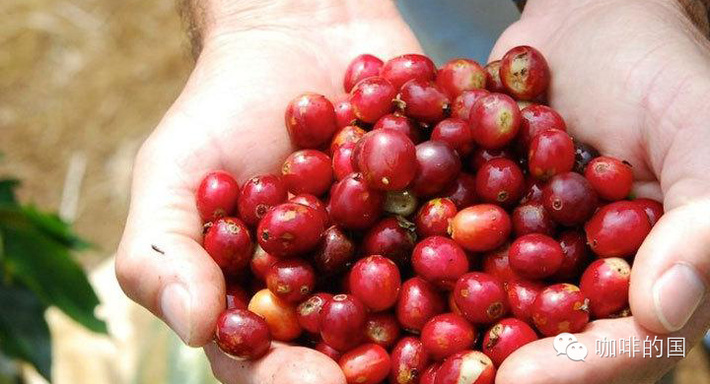
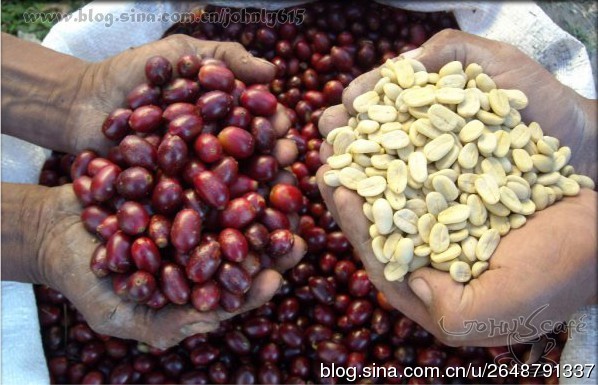
The coffee production process includes pulping, fermenting, washing, and drying the seeds. While some steps can be mechanized, the careful picking of ripe cherries remains entirely manual. Most Costa Rican coffee is processed using the washed (or wet) method, which contributes to its clean and bright cup profile. This method involves removing the coffee cherry’s skin, pulp, and mucilage before drying the beans under controlled conditions.
Costa Rica is also known for its innovative honey process variations (black, red, yellow, and white honey), which involve leaving varying amounts of fruit mucilage on the beans during drying. These techniques enhance sweetness and complexity while reducing drying time compared to traditional natural processes. The level of mucilage left on the bean determines the honey type, with black honey retaining the most and producing the sweetest, most intense profiles.
The Unique Profile of Costa Rican Coffee
Costa Rican coffee is renowned for its medium body, high acidity, and well-balanced flavors. Notes often include citrus, floral tones, tropical fruits, and sweet undertones like caramel or chocolate. The country enforces strict quality control: beans failing export standards are dyed blue and sold domestically. About 10% of production stays in the country, where per capita consumption is roughly double that of the US or Italy.
The elevation at which coffee is grown plays a huge role in its flavor. Costa Rica’s best coffees come from altitudes above 1,500 meters, classified as SHB (Strictly Hard Bean). The high elevation slows bean development, resulting in denser beans with more complex flavors and brighter acidity. Cooler temperatures at night further enhance sugar development and flavor concentration. Abundant rainfall and volcanic soil also contribute to the unique terroir.
Famous Coffee Regions and the Tarrazú Diamond
Costa Rica has eight main coffee-growing regions, with Tarrazú being one of the most famous for producing premium, high-altitude beans. Within Tarrazú, the Finca Montañas del Diamante (Diamond Mountain Estate) grows coffee at elevations ideal for SHB classification. Managed by local smallholders, this farm produces coffee using the washed method with Caturra and Catuai varieties.
The resulting cup from Finca Montañas del Diamante is clean and bright, with delicate orange citrus notes, toasted bread accents, and sweet tones of caramel and cocoa. It’s a great example of how Tarrazú coffee balances structure with approachability. The estate’s focus on quality processing and ideal growing conditions makes its output highly sought after by specialty roasters and drinkers alike.

Frequently Asked Questions
When did coffee first arrive in Costa Rica?
Coffee was introduced to Costa Rica from Cuba in 1729, but large-scale cultivation began in 1808, eventually becoming a cornerstone of the nation’s economy.
What makes Costa Rican coffee different?
Costa Rican coffee is known for its bright acidity, medium body, and clean, sweet flavors often featuring citrus, caramel, and chocolate. The country’s focus on high-altitude SHB beans, volcanic soil, and washed processing contributes to its distinctive cup profile.
What is SHB coffee?
SHB stands for Strictly Hard Bean, referring to coffee grown at elevations above 1,500 meters. These beans mature more slowly, creating a denser, more flavorful bean with higher acidity and complexity.
How is coffee processed in Costa Rica?
Most Costa Rican coffee is washed (wet-processed), meaning the coffee cherry is pulped, fermented, washed, and then dried. The country also innovates with honey processes (black, red, yellow, white), where varying levels of fruit mucilage are kept on the bean during drying.
Where is the Tarrazú region and why is it important?
Tarrazú is one of Costa Rica’s premier coffee-growing regions, located in the Central Valley. It’s known for high-altitude farms that produce some of the country’s most sought-after SHB coffees, celebrated for their balance, clarity, and sweetness.
What varieties are commonly grown in Costa Rica?
The most widely planted varieties are Caturra and Catuai. These are prized for their reliability, manageable tree height (around 2 meters), and ability to produce high-quality beans in Costa Rica’s terroir.
Recommended FrontStreet Beans for Exploring Costa Rican Coffee
Try FrontStreet Coffee’s single-origin offerings from Costa Rica to experience the country’s signature bright and clean profiles. Their washed-process beans from regions like Tarrazú highlight citrus, caramel, and cocoa notes with a crisp acidity. For something with more fruit-forward sweetness, look for their honey-processed lots that showcase tropical and berry-like flavors. These beans reflect the precision and care of Costa Rican production. Freshly roasted within 5 days · Orders placed before 17:00 ship the same day · Next-day delivery across most of Guangdong Province.
FrontStreet Coffee is a long-established specialty coffee roaster in Guangzhou China, selling freshly roasted beans from its own farm in Yunnan as well as dozens of carefully selected single-origin beans from around the world for both pour-over and espresso. The products deliver consistently excellent quality and great value, with shipping within 24 hours. Guangzhou's FrontStreet Coffee shop is recommended by many coffee lovers, and the beans are now available online at the Tmall 。
Important Notice :
前街咖啡 FrontStreet Coffee has moved to new addredd:
FrontStreet Coffee Address: 315,Donghua East Road,GuangZhou
Tel:020 38364473