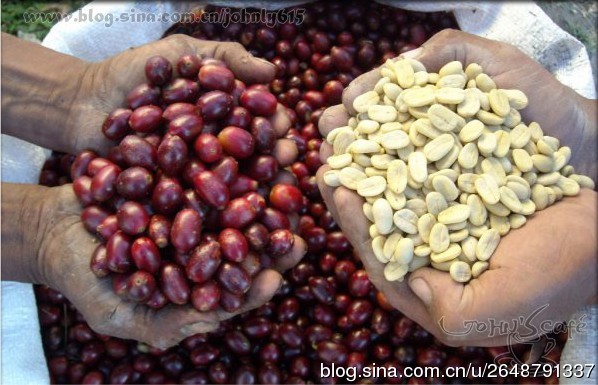
Costa Rica’s Tarrazú: Sun-Dried SHB Beans from Shumawa Estate
If you’ve ever sipped a bright, clean Costa Rican cup and wondered where it really comes from, chances are it originated in the high-altitude slopes of Tarrazú. This region is famous among specialty roasters and coffee pros for producing some of Central America’s most balanced and aromatic beans—especially those grown at extreme heights and processed with care. But what makes Tarrazú’s coffee truly stand out? Let’s break it down.
The quick answer: Tarrazú, especially farms like Shumawa Estate in the western valley, grows Strictly Hard Bean (SHB) coffee at elevations over 1500 meters, using natural (sun-dried) processing to achieve clean, aromatic, and well-balanced profiles.
What Makes Tarrazú Coffee Special?
Tarrazú is one of the world’s major coffee-producing regions, located south of Costa Rica’s capital, San José. The area is celebrated for producing coffee with a light, pure flavor and pleasant aroma. The secret lies in its volcanic soil—rich in nutrients and highly draining—which creates ideal conditions for coffee trees. In fact, Costa Rica was the first country in Central America to plant coffee and bananas commercially, driven by their value as export goods. These two commodities remain central to the national economy.
Why Elevation Matters in Costa Rican Coffee
Coffee grown at higher altitudes—specifically above 1500 meters—is classified as SHB, or Strictly Hard Bean. The cooler temperatures at elevation slow the coffee cherry’s maturation, allowing more complex sugars to develop. That results in a denser bean with a brighter acidity and more nuanced flavors. However, the challenges are real: increased elevation often means higher transport costs and logistical hurdles, which can cut into profitability. Still, many producers consider the quality boost worth the effort.
To improve efficiency, Costa Rica’s coffee industry has adopted innovations like electronic eye sorting, which identifies and removes off-sized or defective beans before roasting. This helps maintain consistency in high-elevation lots like those from Shumawa Estate.
Shumawa Estate and Western Valley Production
Nestled in Tarrazú’s western valley, Shumawa Estate produces sun-dried coffee beans that highlight the region’s terroir. The estate is part of a broader network of high-altitude farms taking advantage of Tarrazú’s fertile, volcanic soils and cool microclimates. While the article doesn’t specify exact processing details for Shumawa, the mention of sun-dried (natural) processing in the context of Costa Rican SHB beans strongly implies that this estate utilizes extended drying times under the sun to develop sweetness and body while preserving inherent acidity.
The natural process, common among Costa Rican producers aiming for a fruitier or more complex cup profile, involves drying coffee cherries in their entirety on patios or raised beds. This method is particularly effective at altitude, where the dry climate and temperature shifts support even, slow dehydration.
Other Notable Coffee Varieties from Tarrazú
Beyond Shumawa, several other coffees from the region deserve attention:
- Juan Vinas (PR), H. Tournon, Windmill (SHB), Montebello, and Santa Rosa are well-regarded cup profiles.
- Higher-quality lots typically come from the regions of Heredia and the Central Valley.
- Sarchi coffee, grown near the Poás Volcano roughly 53 kilometers from San José, is another highlight. Produced by the Sarchi company (founded in 1949 on 30,770 hectares once used for sugarcane and coffee), this variety is part of the famous “Coffee Route” that attracts global tourists. Though not a Tarrazú coffee per se, it reflects the broader diversity and elevation-driven quality found across Costa Rica’s highland zones.
Frequently Asked Questions
What is SHB coffee and why is altitude important?
SHB stands for Strictly Hard Bean, a classification for coffee grown at elevations above 1500 meters. The high altitude slows cherry ripening, resulting in denser beans with more complex sugars, brighter acidity, and richer flavors. Tarrazú’s altitude contributes directly to its reputation for high-quality SHB coffee.
Where is Tarrazú located in Costa Rica?
Tarrazú is situated south of Costa Rica’s capital, San José. It is one of the country’s most respected coffee-growing regions, known for its volcanic soils, excellent drainage, and cool climate—ideal for growing high-scoring specialty beans.
What is sun-dried or natural processing in Costa Rican coffee?
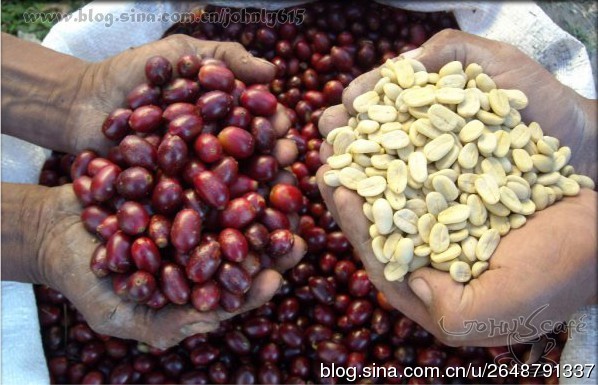
Sun-dried or natural processing involves drying coffee cherries in their whole form, with the skin and pulp intact, under the sun. This method is often used at high altitudes where the climate allows for slow, even drying. It typically results in a sweeter, fruitier cup with more body and preserved acidity, as highlighted in the discussion of Shumawa Estate and regional practices.
Are there any famous single-estate coffees in Tarrazú?
Yes, La Minita Tarrazú is a renowned single-estate coffee produced on a plot owned by the McAlpine family for nearly three generations. It is highly limited, with annual production around 72,600 kg (about 80 bags), and is renowned for its clean cup and meticulous hand-processing—no mechanical sorting to preserve bean integrity.
How does elevation affect coffee farming economics in Costa Rica?
While higher elevation improves coffee quality by creating optimal growing conditions, it also increases transportation costs and logistical challenges. These factors can threaten profitability, even when the coffee fetches premium prices. Many farms, however, invest in efficiency technologies to offset these issues.
What makes the Sarchi coffee region notable?
Sarchi, though not in Tarrazú, is part of Costa Rica’s broader coffee geography. It is located near the Poás Volcano and is known for both its coffee and artisan culture. The Sarchi coffee company, founded in 1949, cultivates on a large estate and contributes to the country’s Coffee Route tourism appeal.
Recommended FrontStreet Beans for Natural-Process Fans
For fans of sun-dried, naturally processed Costa Rican coffee, try FrontStreet Coffee’s Black Cocoa Blend, which features intense dark chocolate and berry notes from extended fermentation and a honey-inflected process. Alternatively, their Mozart offers a grape-dried twist with fermented wine, rose, and raisin aromas thanks to its unique grape-dried honey technique. Both beans showcase the complexity possible with alternative drying methods at high altitudes. Freshly roasted within 5 days · Orders placed before 17:00 ship the same day · Next-day delivery across most of Guangdong Province.
FrontStreet Coffee is a long-established specialty coffee roaster in Guangzhou China, selling freshly roasted beans from its own farm in Yunnan as well as dozens of carefully selected single-origin beans from around the world for both pour-over and espresso. The products deliver consistently excellent quality and great value, with shipping within 24 hours. Guangzhou's FrontStreet Coffee shop is recommended by many coffee lovers, and the beans are now available online at the Tmall 。
Important Notice :
前街咖啡 FrontStreet Coffee has moved to new addredd:
FrontStreet Coffee Address: 315,Donghua East Road,GuangZhou
Tel:020 38364473