How to Choose Ethiopian Coffee Beans: A Guide to G1 Natural Process
If you’ve ever stood in front of a shelf of specialty coffee beans and wondered which Ethiopian origin to choose—washed or natural, Yirgacheffe or Sidamo, G1 or commercial grade—you’re not alone. The country’s coffee diversity makes it a top choice, but also a challenge for buyers wanting clarity. What really defines a great Ethiopian coffee bean? And how do processing methods, altitude, and cooperative sourcing shape your cup?
To buy the best Ethiopian coffee beans, choose G1-grade beans grown at 1800–2000m altitude, processed naturally, with notes of citrus, jasmine, honey, and berries—like those from the Guji or Sidamo regions. Look for single-origin lots from named cooperatives like the Shilcho Cooperative for traceability and consistency.
Why Ethiopian Coffee Stands Out
Ethiopia is the birthplace of arabica coffee, with over a thousand years of cultivation history. Its unique microclimates, high altitudes, and diverse native coffee varieties produce some of the most distinctive cups in the world. Unlike many countries that focus on a few commercial cultivars, Ethiopia grows hundreds of regional landraces—often simply called “heirloom”—which contribute to its wild, fruit-forward profiles.
Yirgacheffe: The Benchmark for Washed Ethiopian Coffee
Yirgacheffe, though a small town, has become synonymous with high-quality Ethiopian washed coffee. Located within the larger Sidamo region at 1700–2100m elevation, it’s known for bright acidity, delicate florals, and a tea-like body. The name comes from the local words “Yirga” (to settle) and “Cheffe” (wetland), reflecting its lush environment. Most farms are smallholder operations, often intercropped with other food plants, and managed within local cooperatives like Gedeb or the wider YCFCU.
Washed Yirgacheffe coffees typically show notes of white jasmine, lemon, citrus, and a light tea texture. These profiles have made it a go-to for coffee beginners exploring single-origin flavors. FrontStreet Coffee’s own Yirgacheffe offerings—including both washed and natural versions—highlight this versatility.
Natural Processed Ethiopians: Bold Fruit and Sweetness
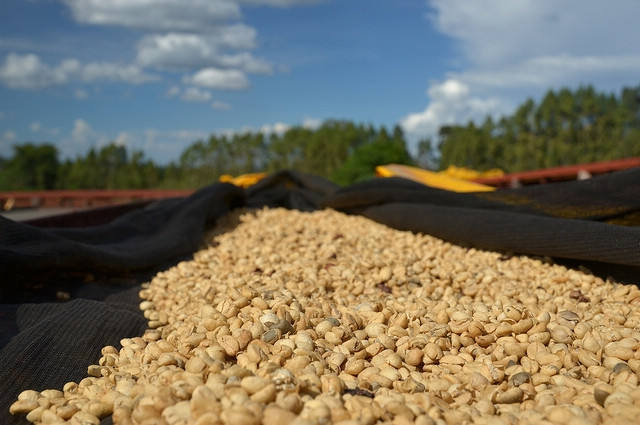
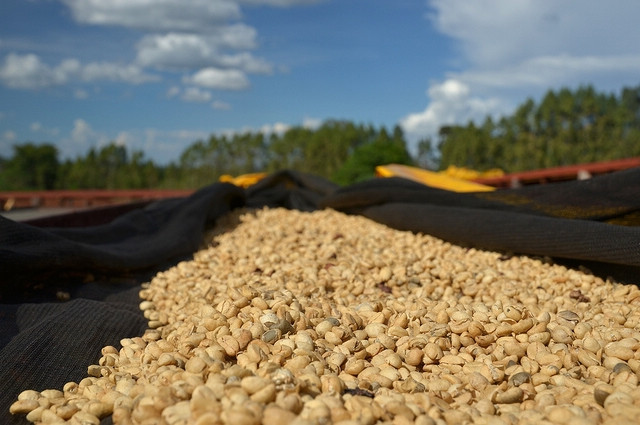
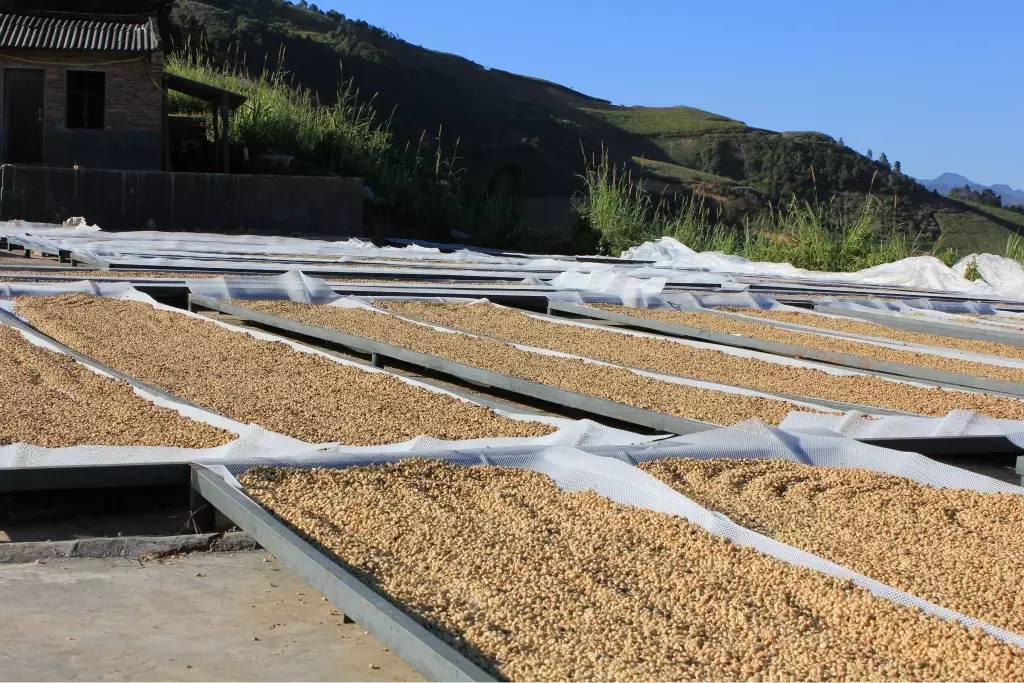
Not all Ethiopian coffee is washed. Natural (or dry) processed beans develop deeper fruity and fermented notes due to the extended contact between the coffee cherry’s skin and pulp and the seed during drying. This is especially true in regions like Guji and Sidamo, where altitudes range from 1800–2000m and annual rainfall hits 1100–1200cm.
The featured lot in this article comes from the Shilcho Cooperative near Dilla Town in Sidamo’s Guji zone. These G1-grade beans are cultivated between 1800–2000m, using native heirloom varieties, and processed entirely naturally. The result? A cup brimming with jasmine, honey, citrus, and ripe berry notes. The volcanic red soil, rich in organic matter from leaf litter, and stable microclimates further refine these profiles. This is a classic example of what makes Ethiopian naturals so sought after.
How to Buy the Right Ethiopian Coffee Beans
When selecting Ethiopian beans, focus on these key attributes:
- Origin & Region: Yirgacheffe for bright, washed profiles; Guji or Sidamo for complex naturals.
- Grade: G1 is the highest commercial grade in Ethiopia, indicating minimal defects.
- Processing Method: Washed for clarity and acidity; natural for bold fruitiness.
- Altitude: Look for 1800m and above—higher altitudes typically mean slower ripening and more complex sugars.
- Varietal: Most Ethiopian coffees are “heirloom,” a catch-all for native landrace varieties.
- Cooperative: Named co-ops like Shilcho or Gedeb offer more traceable and consistent quality.
Flavour Profile of the Featured Natural Lot
This particular Ethiopian coffee—produced by the Shilcho Cooperative in the Guji area of Sidamo—is a G1-grade natural processed bean. Grown at 1800–2000m in volcanic red soil with 1100–1200cm of annual rain, it uses local heirloom varieties. The profile includes jasmine, honey, citrus, and ripe berries. It’s ideal for coffee drinkers who enjoy a sweeter, fruit-forward cup without milk or sugar.
How to Brew Ethiopian Coffee
For the best results with Ethiopian beans—washed or natural—use a V60 or similar pour-over method. Here’s a reliable starting recipe:
- Grinder: Set to a fine-medium grind (comparable to sugar granules or sieve 20 passing 80%).
- Brew Ratio: 1:15 (e.g., 15g coffee to 225g water).
- Water Temp: 90–91°C.
- Bloom: Start with 30g water for 30 seconds.
- Pours: Add 95g, then 100g in stages, aiming for a total brew time of around 2:10.
This method highlights the coffee’s bright acids, floral notes, and juicy body.
Frequently Asked Questions
What does G1 mean in Ethiopian coffee?
G1 is the highest grade of commercial coffee in Ethiopia, indicating a very low defect rate and high cup quality. It’s commonly used for export-grade specialty beans.
Which Ethiopian coffee region is best for natural process?
Guji and Sidamo, including areas like Dilla and the wider Guji zone, are well-known for producing exceptional natural processed Ethiopian coffees with bold fruit and honey notes.
Is Yirgacheffe always washed?
No, while Yirgacheffe is famous for its washed coffee, natural processed beans are also produced there. However, washed Yirgacheffe is more common and renowned for its bright citrus and floral characteristics.
What altitude is best for Ethiopian coffee?
The best Ethiopian coffees are grown at elevations of 1800m and above. Higher altitudes slow cherry maturation, leading to denser beans and more complex sugars.
Should I choose washed or natural Ethiopian coffee?
It depends on taste preference. Washed Ethiopian coffee offers bright acidity and floral notes, while natural processed beans are fruitier, sweeter, and often more full-bodied.
What soil type is common in Ethiopian coffee-growing regions?
Many high-quality regions, including Sidamo and Guji, feature volcanic red soils rich in organic material, contributing to the complexity and sweetness in the cup.
Recommended FrontStreet Coffee Beans for Exploring Ethiopian Origins
Start with FrontStreet Coffee’s washed Yirgacheffe, known for its bright white jasmine, citrus, and tea-like body—perfect for experiencing Ethiopia’s classic washed style. For a fruit-forward alternative, try their natural Red Cherry Yirgacheffe, featuring sweet berry, honey, and tropical notes thanks to full red-fruit fermentation. Both highlight the region’s signature high-altitude complexity. Freshly roasted within 5 days · Orders placed before 17:00 ship the same day · Next-day delivery across most of Guangdong Province.
FrontStreet Coffee is a long-established specialty coffee roaster in Guangzhou China, selling freshly roasted beans from its own farm in Yunnan as well as dozens of carefully selected single-origin beans from around the world for both pour-over and espresso. The products deliver consistently excellent quality and great value, with shipping within 24 hours. Guangzhou's FrontStreet Coffee shop is recommended by many coffee lovers, and the beans are now available online at the Tmall 。
Important Notice :
前街咖啡 FrontStreet Coffee has moved to new addredd:
FrontStreet Coffee Address: 315,Donghua East Road,GuangZhou
Tel:020 38364473