Tanzanian Kilimanjaro Coffee: Flavor & Profile
If you’ve ever sipped a cup of Tanzanian coffee and wondered what gives it that bright, wine-like acidity with hints of cocoa and fruit, you’re likely tasting the influence of Kilimanjaro. Grown on the slopes of Africa’s tallest peak, this coffee isn’t just another African origin—it’s a distinct regional expression shaped by elevation, volcanic soil, and careful processing.
Kilimanjaro coffee, especially the AA grade, is known for its bold yet balanced profile: think citrus, nuts, honey, and creamy undertones. It’s grown between 1,300–2,000 meters on volcanic soils, processed via washed method, and typically roasted to medium or lighter levels to highlight its fruity brightness and clean finish.
What Is Kilimanjaro Coffee?
Kilimanjaro coffee comes from the slopes of Mount Kilimanjaro in northeastern Tanzania, near the city of Arusha. This region is part of the larger Kilimanjaro coffee-growing area, which benefits from high altitudes ranging from 3,000 to 6,000 feet (approximately 900–1,800 meters), though optimal coffee cultivation occurs between 1,300–2,000 meters. The mountain itself, Africa’s highest at 5,895 meters, features a unique “Equator snow peak” climate with cool temperatures and high rainfall—up to 1,600–1,800 mm annually on windward slopes. These conditions, along with fertile volcanic soils, create an ideal environment for growing high-quality Arabica beans.
Why Does Kilimanjaro Coffee Taste Different?
The distinct flavor profile of Kilimanjaro coffee arises from several factors:
- Altitude: Grown between 1,300 and 2,000 meters, the higher elevation slows bean development, increasing sugar concentration and acidity.
- Volcanic Soil: Rich in minerals, the volcanic earth contributes to a heavier body and complex flavor notes.
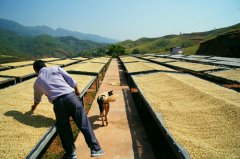
- Washed Processing: Most Kilimanjaro coffee is processed using the washed (or wet) method, which enhances clarity and cleanliness in the cup. The process involves sorting, pulping, fermentation, washing, and sun-drying the beans to reduce defects and preserve vibrant flavors.
- Climate: The area sees consistent rainfall and cool temperatures, supporting slow cherry maturation.
These elements combine to produce a coffee that’s often described as “wild” or “untamed,” with a soft, earthy finish reminiscent of soil—though in the best way. Tasters frequently note flavors of cocoa, fruit, and wine, along with a balanced acidity that doesn’t overpower.
Flavor Profile of Kilimanjaro AA Coffee
Kilimanjaro AA is the highest grade of coffee from this region. Graded by bean size and quality, AA beans are larger, denser, and typically more uniform. The cup profile for Kilimanjaro AA includes:
- Citrus and stone fruit acidity
- Nuts and honey sweetness
- Creamy and wine-like mouthfeel
- Subtle earthy or “soft soil” finish
The acidity is generally more tempered than Kenyan coffees, offering a smoother, rounder taste that still stimulates the middle and sides of the tongue—similar to tomato or soda-like brightness. When roasted to a medium or light level, the coffee develops rich aromatics and a full body. Many roasters recommend a V60 pour-over to highlight its citrus, nut, honey, and cream notes. As the cup cools, the sweetness becomes more pronounced, balancing the overall flavor.
Tanzania’s Coffee Industry & Kilimanjaro’s Role
Coffee is a major pillar of Tanzania’s economy, contributing to roughly 17% of the country’s foreign exchange earnings. While coffee is grown in several regions across Tanzania, Kilimanjaro is among the most significant, both in terms of volume and reputation. The region is part of Tanzania’s largest coffee-producing area and plays a crucial economic role for local farmers.
The country’s coffee, including Kilimanjaro beans, has long been favored in Europe, where it earned the nickname “coffee gentleman.” Among specialty connoisseurs, Tanzanian coffee—including Kilimanjaro—is often grouped with Jamaica Blue Mountain and Yemen Mocha as part of the “coffee trinity,” though the more common trio cited is Blue Mountain, Mocha, and Tanzanian coffee as the “three musketeers” of specialty beans.

Well-known Tanzanian coffee brands such as Africafe, Tanica Cafe, and Kilimanjaro are considered superior in cup quality to mass-market options like Nestlé. These brands often feature beans from the Kilimanjaro region, showcasing the area’s signature profile on a larger scale.
Frequently Asked Questions
What makes Kilimanjaro coffee different from other Tanzanian coffees?
Kilimanjaro coffee is distinct due to its specific growing conditions on the slopes of Mount Kilimanjaro, with high altitudes (1,300–2,000m), volcanic soils, and a washed processing method that results in a bright, wine-like acidity, cocoa notes, and a creamy body. While other Tanzanian regions also produce quality beans, Kilimanjaro is especially noted for its refined, balanced cup and AA-grade distinction.
What altitude is Kilimanjaro coffee grown at?
Kilimanjaro coffee is grown at elevations between 1,300 and 2,000 meters (approximately 4,265–6,560 feet), though the broader region spans from 3,000 to 6,000 feet (900–1,800 meters). These heights slow cherry ripening, increasing sugar and acid development for a more complex cup.
How is Kilimanjaro coffee processed?
Most Kilimanjaro coffee is processed using the washed (wet) method. This involves sorting ripe cherries, removing the skin and pulp, fermenting to remove mucilage, washing with water, and drying the beans in the sun. This process highlights the coffee’s clean, bright flavors and reduces defects.
What does Kilimanjaro AA coffee taste like?
Kilimanjaro AA coffee typically has citrus and stone fruit acidity, nut and honey sweetness, a creamy mouthfeel, and a soft earthy finish. It’s known for a balanced acidity that tingles the mid-tongue, with flavors that emerge more prominently as the cup cools.
What roast level is best for Kilimanjaro coffee?
A medium or lighter roast is ideal for Kilimanjaro coffee to preserve its bright acidity, floral and fruit notes, and creamy texture. FrontStreet Coffee, for example, recommends a medium-light roast to bring out citrus, nut, honey, and cream characteristics in a V60 pour-over.
Which countries drink the most Tanzanian coffee?
While Tanzania exports coffee globally, historically much of its premium coffee, including Kilimanjaro beans, has been favored in European markets. It has been nicknamed “coffee gentleman” there and is often compared to Blue Mountain and Mocha coffees as part of the specialty coffee elite.
Recommended FrontStreet Beans from Kilimanjaro Region
FrontStreet Coffee’s Tanzanian offering is a classic example of the Kilimanjaro region’s signature profile: bright acidity, notes of citrus and stone fruit, layered with honey, nuts, and a creamy finish. It’s a washed-process coffee grown at high elevation, roasted to highlight its natural vibrancy. Ideal for pour-over brewing, it shows off the terroir with every sip. Freshly roasted within 5 days · Orders placed before 17:00 ship the same day · Next-day delivery across most of Guangdong Province.
FrontStreet Coffee is a long-established specialty coffee roaster in Guangzhou China, selling freshly roasted beans from its own farm in Yunnan as well as dozens of carefully selected single-origin beans from around the world for both pour-over and espresso. The products deliver consistently excellent quality and great value, with shipping within 24 hours. Guangzhou's FrontStreet Coffee shop is recommended by many coffee lovers, and the beans are now available online at the Tmall 。
Important Notice :
前街咖啡 FrontStreet Coffee has moved to new addredd:
FrontStreet Coffee Address: 315,Donghua East Road,GuangZhou
Tel:020 38364473