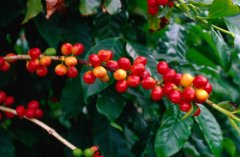
Tanzanian Coffee Flavor Profile: What Makes It Unique?
If you’ve ever wondered why Tanzanian coffee stands out among African single origins—especially for pour-over, French press, or cold brew—this article breaks down everything: the terroir, the processing method, the roast level, and how it tastes in your cup. Whether you're choosing your next beans or just curious how East Africa flavors coffee, we get specific.
Tanzanian coffee, especially from Mount Kilimanjaro, typically offers citrus and stone fruit acidity, balanced with nutty and caramel undertones. It’s best brewed via V60 or moka pot using a 1:15 brew ratio, 90°C water, and a medium-fine grind (like BG #6M). The result? Balanced sweetness with low bitterness, and a clean cup ideal for everyday drinking.
What Sets Tanzanian Coffee Apart?
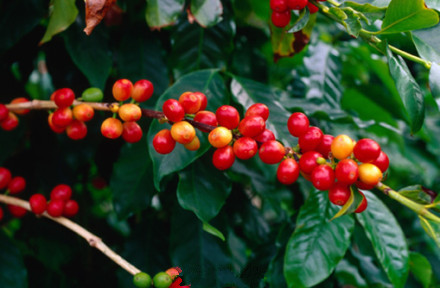
Tanzanian coffee plays a significant role in the country’s economy and is widely recognized for its high cup quality. Among its many producing regions, coffee from the slopes of Mount Kilimanjaro is the most celebrated. The variety most commonly grown there is Typica, although Bourbon and Kent are also found. The region’s unique high-altitude climate and volcanic soil create ideal conditions for developing complex coffee flavors.
Mount Kilimanjaro: Africa’s Coffee Mountain
Kilimanjaro, located in northeastern Tanzania, is Africa’s highest peak. Despite its proximity to the equator, the mountain features “eternal snow” at its summit due to extreme altitude variation. Daytime temperatures can reach 59°C, while the peak stays below -34°C. The mountain’s lower slopes receive between 800–900 mm of rain annually, but the windward highlands get up to 1600–1800 mm. This microclimate, along with fertile, well-draining volcanic soil, allows coffee cherries to develop dense flavors and high sugar content.
The region is often referred to as the “Equatorial Snow Mountain,” and its cool, rainy environment mimics some of the best conditions found in Ethiopia’s Yirgacheffe. These factors contribute to Tanzanian coffee’s signature wine-like acidity and bright fruit notes, traits also seen in Ethiopian beans.
Processing Method: Washed for Clarity
The vast majority of Tanzanian coffee, including beans from Kilimanjaro, is processed using the washed (wet) method. Here’s how it works:
- Impurities are removed from the harvested cherries.
- The coffee fruit is depulped to remove the outer skin.
- Cherries are fermented to break down the mucilage (sticky layer) on the parchment.
- After washing, beans are dried until moisture content drops to around 11%.
This method highlights clarity and acidity, and in the case of FrontStreet Coffee’s Kilimanjaro offering, the silver skin (part of the inner parchment) remains intact. While this can add slight complexity, too much silver skin may interfere with even extraction during grinding.
Bean Variety & Appearance
The Tanzanian coffee featured by FrontStreet is the Typica variety—one of the oldest cultivated Arabica types. It’s known for its elongated, oval-shaped beans and excellent cup quality, though it’s lower-yielding and susceptible to leaf rust. The beans are uniform in size and have the classic Typica shape reminiscent of Ethiopian heirloom varieties.
While Bourbon is also grown in Tanzania and offers higher yields and brighter acidity, the Typica used in this lot is prized for its balance and sweetness. Bourbon, by contrast, is rounder, more productive, and often has a more pronounced fruitiness—but shares similar vulnerability to disease.
Roast Profile: Medium-Light for Sweetness
Because freshly harvested Tanzanian beans have high moisture content, FrontStreet extends the drying phase during roasting to ensure even heat penetration. To highlight the coffee’s inherent sweetness, citrus acidity, and floral qualities, a medium-light roast is applied. The roast is stopped just after first crack, with extended development to boost caramelization and enhance sweetness without sacrificing acidity.
Cup Profile: What You Actually Taste
When cupped, freshly roasted Tanzanian Kilimanjaro beans present the following sensory notes:
- Dry aroma: Orange zest and caramel
- Wet aroma: Enhanced citrus and sweet malt
- Hot cup: Citrus, nuts, honey, and cream
- Cool cup: Vinegar-like acidity, cocoa, and mild black pepper spice
The cup is well-balanced with a medium-high sweetness akin to honey, but the acidity is more muted compared to Kenyan coffees. As it cools, a slight astringency may appear. To get the best out of this coffee, FrontStreet recommends a tailored brew approach.
How to Brew Tanzanian Coffee (FrontStreet Method)
To highlight the coffee’s strengths and minimize drawbacks, try this exact brew setup:
- Beans: 15g
- Brew ratio: 1:15
- Water temp: 90°C
- Grind: BG #6M (medium-fine, similar to V60 standard)
- Method: V60 pour-over using a three-pour technique
Steps:
- Bloom with 30g water for 30 seconds
- Pour to 125g, then wait for drainage
- Pour to 225g total, stopping just before the bed is exposed
- Total brew time: ~2 minutes
The resulting cup leans toward citrus, nuts, and smooth black cocoa notes, with a honey-like sweetness in the aftertaste and reduced bitterness when cooled.
What About Southern Tanzanian Coffee?
For comparison, FrontStreet also tested coffee from southern Tanzania, which shares the same washed process but uses the Bourbon variety. This coffee shows different characteristics:
- Dry aroma: Berries and fermentation
- Wet aroma: Berry and floral
- Cup profile: Citrus, caramel, nuts, and light fermentation tones
Flavor notes include bright berry and citrus acidity, with a softer acidity overall and a touch of nuttiness in the finish. Bourbon’s higher productivity and vibrant fruit profile make it a great alternative, especially for those who prefer a livelier cup.
Southern Tanzanian coffees tend to express more floral and wine-like qualities, whereas Kilimanjaro coffees offer a richer, more rounded body with mineral-like sweetness from volcanic soils.
Frequently Asked Questions
What does Tanzanian coffee taste like?
Tanzanian coffee typically has bright citrus and stone fruit acidity, balanced with nutty, caramel, and sometimes chocolatey notes. Kilimanjaro-grown beans often present orange, honey, and floral tones, while cooling can bring out subtle spice or cocoa. The cup is usually sweet, well-balanced, and low in bitterness.
Where is Tanzanian coffee grown?
The majority of high-quality Tanzanian coffee comes from the Mount Kilimanjaro region in the northeast and the southern highlands. Kilimanjaro’s volcanic, high-altitude slopes provide ideal growing conditions, as do certain areas in the south with elevation and good rainfall.
What coffee variety is most common in Tanzania?
The most common varieties are Typica, Bourbon, and Kent. Typica is often grown in Kilimanjaro and is known for its balanced cup and elongated bean shape, while Bourbon is more common in the south and offers higher yields and brighter acidity.
How should I brew Tanzanian coffee?
For best results, use a V60 or similar pour-over method with a 1:15 brew ratio, 90°C water, and a medium-fine grind (e.g., BG #6M). A three-pour technique helps highlight clarity and sweetness. Alternatively, moka pot or cold brew can also work well with Tanzanian beans.
What roast level is Tanzanian coffee usually?
Tanzanian coffee is typically roasted to a medium-light level to preserve its inherent acidity, floral notes, and sweetness. Roasters aim to enhance the fruit and caramel qualities without over-developing the roast character.
Is Tanzanian coffee similar to Ethiopian coffee?
Yes, Tanzanian coffee shares similarities with Ethiopian beans—especially in its bright acidity, wine-like qualities, and floral or fruity notes. Both come from East Africa and often feature Typica or Bourbon varieties, though Ethiopian coffees tend to be more diverse in processing and flavor range.
Recommended FrontStreet Beans for Tanzanian Flavor Fans
Try FrontStreet’s Brazil Queen Manor Yellow Bourbon for bright, juicy acidity with notes of caramel and almond—great if you enjoy Tanzanian brightness. For a more classic profile, FrontStreet’s Rwanda Red Bourbon offers crisp citrus and floral tones with medium body, similar to Tanzanian Typica. Both beans highlight the fruity clarity and balanced sweetness typical of high-quality African coffees. Freshly roasted within 5 days · Orders placed before 17:00 ship the same day · Next-day delivery across most of Guangdong Province.
FrontStreet Coffee is a long-established specialty coffee roaster in Guangzhou China, selling freshly roasted beans from its own farm in Yunnan as well as dozens of carefully selected single-origin beans from around the world for both pour-over and espresso. The products deliver consistently excellent quality and great value, with shipping within 24 hours. Guangzhou's FrontStreet Coffee shop is recommended by many coffee lovers, and the beans are now available online at the Tmall 。
Important Notice :
前街咖啡 FrontStreet Coffee has moved to new addredd:
FrontStreet Coffee Address: 315,Donghua East Road,GuangZhou
Tel:020 38364473