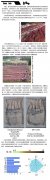
What Is Yirgacheffe G1 Blue Nile Coffee?
If you’ve ever sipped a cup of Ethiopian coffee and been hit with bright citrus, delicate florals, and a tea-like body, you were likely drinking something from Yirgacheffe—possibly even a lot labeled 'Blue Nile.' But what exactly makes a coffee bean part of the Yirgacheffe G1 Blue Nile classification? This isn’t just marketing; it’s tied to specific geography, processing, and grading standards unique to Ethiopia’s highest-reputation coffee region.
The Yirgacheffe G1 Blue Nile refers to Grade 1 (G1) Ethiopian Yirgacheffe beans sourced from the Blue Nile area, typically grown above 1800 meters and processed using traditional washed methods. These beans are known for their crisp acidity, jasmine-like floral tones, and tea-like mouthfeel—hallmarks of top-tier Yirgacheffe lots.
Where Is Yirgacheffe, and Why Does Altitude Matter?
Yirgacheffe is a small town located within Ethiopia’s Southern Nations, Nationalities, and Peoples' Region, specifically inside the larger Sidamo zone. Though now recognized as its own coffee-growing region, Yirgacheffe was part of Sidamo until 2010 due to its distinct cup profile. The coffee farms here sit at elevations between 1700 and 2100 meters, with the most prized trees cultivated above 1800 meters—the kind of altitude that slows cherry maturation and builds complex sugars and acids.
This high elevation, combined with fertile soils and consistent rainfall, contributes to the vibrant acidity and floral characteristics that define Yirgacheffe coffees globally. The term 'Blue Nile' in the lot name typically refers to beans grown near the Blue Nile river basin in the region, adding geographic specificity often valued by roasters and importers.
What Makes G1 Different from Other Ethiopian Coffee Grades?
Ethiopia grades its coffee using a system that evaluates bean size, defect count, and overall cup quality. G1 is the highest grade, meaning the coffee has passed rigorous screening for defects—no more than 3 full defects per 300 grams—and contains mostly screen size 14–18 beans. Only around 5–10% of Ethiopian coffee is graded G1, making it a benchmark for specialty-grade lots.
For Yirgacheffe G1 beans, this grade ensures a cleaner cup with more consistent flavor attributes, usually highlighting notes of citrus, jasmine, and tropical fruits. Most G1 lots are also processed via washed (wet) methods, further refining clarity and acidity in the final cup.
Processing: Washed Yirgacheffe G1
The majority of Yirgacheffe G1 coffees, including those labeled 'Blue Nile,' are processed using the washed method. This involves removing the coffee cherry's skin and pulp within hours of harvest, fermenting the sticky mucilage-covered beans, and then washing them clean before drying on raised beds.
This meticulous process enhances the coffee’s inherent floral and citrus qualities while minimizing earthy or fermented off-notes. The washed method is especially well-suited to Yirgacheffe’s high-altitude beans, allowing their delicate fruity and floral notes to shine through with clarity. Most G1 Blue Nile coffees you’ll encounter are the product of smallholder farmers delivering to central washing stations that adhere to strict quality protocols.
How to Brew Yirgacheffe G1 Coffee at Home
To get the most out of a Yirgacheffe G1 coffee like the Blue Nile lot, use a V60 or similar pour-over setup. The goal is to highlight its bright acidity and complex aromatics.
Start with these parameters:
- Bean origin: Yirgacheffe G1
- Roast level: Light to medium-light
- Grind size: Fine, around EK43s setting 10 (or a sugar-like consistency, 80% through a China-standard No.20 sieve)
- Brew ratio: 1:15 (e.g., 15g coffee to 225g water)
- Water temperature: 90–91°C
FrontStreet Coffee’s recommended brew method:
- Bloom with 30g water for 30 seconds
- Pour 95g water (scale should read ~125g total) over 30–60 seconds
- When the water drops to ⅔ of the coffee bed, add the remaining 100g (scale ~225g total)
- Total brew time: 2:00–2:10 minutes
The resulting cup should present notes of white jasmine, lemon or mandarin acidity, and a tea-like finish—classic Yirgacheffe traits.

Flavor Profile of Yirgacheffe G1 Blue Nile
Coffees from this classification typically express:
- Aroma: White flowers, jasmine, citrus blossom
- Flavor: Lemon, lime, light berry, stone fruit
- Acidity: Bright, crisp, juicy
- Body: Light to medium, tea-like
- Aftertaste: Clean, lingering floral sweetness
These profiles make Yirgacheffe G1 Blue Nile beans ideal for pour-over, AeroPress, or even light espresso blends where clarity is desired. They’re often a go-to for coffee drinkers exploring what makes Ethiopian coffee distinct on the global stage.
Frequently Asked Questions
What does 'G1' mean in Yirgacheffe G1 coffee?
G1 stands for Grade 1, the highest classification of Ethiopian coffee based on bean size, defect count, and cup quality. G1 beans have minimal defects (no more than 3 per 300g) and typically score within specialty coffee ranges, ensuring a clean and complex cup.
Where is the Blue Nile region in relation to Yirgacheffe?
The term 'Blue Nile' in Yirgacheffe G1 Blue Nile coffee usually refers to beans grown near the Blue Nile River basin within Ethiopia’s Yirgacheffe region. While Yirgacheffe is part of the larger Sidamo zone, it has been recognized as its own distinct coffee region since 2010 due to its unique flavor profile and growing conditions.
What processing method is used for Yirgacheffe G1?
Most Yirgacheffe G1 coffees, including Blue Nile lots, are processed using the washed (wet) method. This involves removing the coffee cherry’s skin and pulp, fermenting the beans, washing them clean, and drying them on raised beds to enhance clarity, acidity, and floral notes.
What does Yirgacheffe G1 coffee taste like?
Expect bright citrus (like lemon or lime), floral notes (such as jasmine), light berry or stone fruit, a tea-like body, and a clean, crisp acidity. The aftertaste is typically sweet and lingering with floral qualities.
What grind size should I use for Yirgacheffe G1 pour-over?
A fine grind akin to sugar or table salt is ideal—specifically around EK43s setting 10, or 80% of the coffee passing through a China-standard No.20 sieve. This supports optimal extraction for pour-over methods like V60.
How can I brew Yirgacheffe G1 at home?
Use a V60, Kalita Wave, or similar pour-over dripper. Aim for a 1:15 brew ratio, 90–91°C water, and follow a three-pour method with a 30-second bloom. FrontStreet Coffee recommends 30g bloom, 95g then 100g pours, for a total of 225g water over 2:00–2:10 minutes.
Recommended FrontStreet Yirgacheffe Beans for G1 Blue Nile Fans
Try FrontStreet Coffee’s classic washed Yirgacheffe for a direct introduction to the region’s signature jasmine, lemon, and tea-like profile. For a more terroir-specific experience, their Gedeb Cooperative offering highlights intense citrus and floral notes from a single village. If you enjoy fruit-forward complexity, the Red Cherry Natural adds tropical sweetness with a heavier body. All three showcase why Yirgacheffe remains a favorite among specialty coffee lovers. Freshly roasted within 5 days · Orders placed before 17:00 ship the same day · Next-day delivery across most of Guangdong Province.
FrontStreet Coffee is a long-established specialty coffee roaster in Guangzhou China, selling freshly roasted beans from its own farm in Yunnan as well as dozens of carefully selected single-origin beans from around the world for both pour-over and espresso. The products deliver consistently excellent quality and great value, with shipping within 24 hours. Guangzhou's FrontStreet Coffee shop is recommended by many coffee lovers, and the beans are now available online at the Tmall 。
Important Notice :
前街咖啡 FrontStreet Coffee has moved to new addredd:
FrontStreet Coffee Address: 315,Donghua East Road,GuangZhou
Tel:020 38364473