How to Choose Coffee Beans From Bali’s Kintamani Volcano
In traditional Balinese culture, coffee was long treated as a low-value commodity—commonly sold as cheap commercial grade, with unpredictable quality and muted flavors. That began to change when a group of Q Grader-certified roasters set out to prove that Bali could produce world-class specialty coffee.
If you’re wondering where to find high-quality coffee beans from Bali’s volcanic highlands, look to Kintamani-grown lots processed at altitudes of 1400 metres with experimental natural, honey, and washed methods. Recent batches have delivered tropical fruit notes rivaling top Panamanian coffees.
The Birth of Specialty Coffee in Bali
For decades, much of Bali’s coffee was farmed at origin without consistent quality control. Weather fluctuations, berry ripeness, and inconsistent processing led to unreliable flavor profiles. Most beans were sold as low-cost commercial lots. But Rodney and his partners, all certified Q Graders, had a vision: to establish Bali as a respected specialty origin. They opened the island’s only specialty café in central Ubud and invested in professional 1kg and 4kg roasters. Every coffee they serve is traceable to high-quality beans grown nearby, including Java, Sulawesi, Papua, and Flores.
Karana Coffee and the Shift to Farm-Level Control
While initial lots relied on farmers in the Kintamani highlands for post-harvest processing, yearly variables made consistency difficult. Starting in 2015, Rodney built his own processing facility on the grounds of the café and adjacent to his home. At harvest time, ripe cherries are hand-selected from farms at 1400m elevation in the Kintamani volcanic region. Initial processing takes place there before the beans are transported down to the more stable 800m elevation of Ubud for final drying and finishing.
Experimental Processing Yields Exceptional Results
This year, Rodney and his team processed three experimental lots using different methods: washed, honey, and natural. The results surpassed expectations. Across all three, defect rates were remarkably low and bean uniformity exceeded typical standards for Central American specialty lots. The washed and honey lots exhibited bright, layered acidity. The natural process batch stood out with intense tropical fruit notes—more pronounced than many Panamanian estate naturals—including ripe peach, pineapple, mango, along with winey sweetness and lingering complexity. Flavour descriptors include (ripe peach), (pineapple), and (black sugar).
About the Kintamani Coffee Region
The coffee is grown in Bali’s Kintamani volcanic region at elevations around 1400 metres. The harvest season runs annually from June to September. The beans are processed using natural methods at Karana’s dedicated facility. Varietals include USDA, Karka, and S-795. The final processing and sorting take place at the team’s Ubud facility. This origin represents one of Indonesia’s emerging high-quality micro-regions, distinct from the better-known Sumatran and Java zones.
Frequently Asked Questions
Where is Kintamani coffee grown?
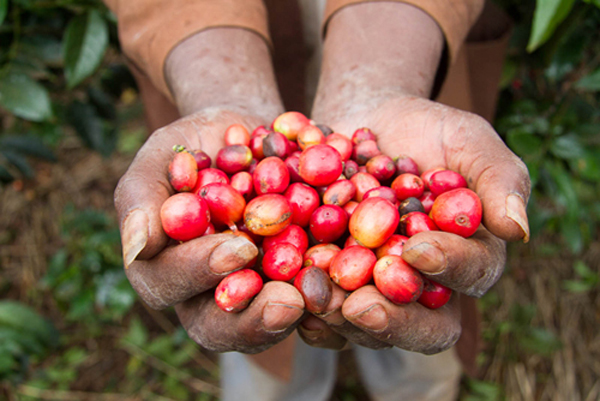
Kintamani coffee is cultivated in the volcanic highlands of Bali, Indonesia, at elevations around 1400 metres. The region is known for its fertile volcanic soils and cool climate, ideal for slow cherry maturation.
What processing methods were used for these Bali beans?
This year’s experimental lots from Kintamani were processed using three methods: washed , honey , and natural . The natural-processed batch showed particularly vibrant tropical fruit characteristics.
Which coffee varieties are grown in Kintamani?
The Kintamani region grows several coffee varieties, including USDA, Karka, and S-795. These are lesser-known cultivars in global markets but are well-suited to the volcanic terroir.
What flavours can I expect from Kintamani natural process coffee?
Kintamani natural process coffees have shown complex tropical fruit flavours including ripe peach, pineapple, and mango, alongside black sugar sweetness and winey notes. These surpass typical flavour profiles of standard Bali or Indonesian coffees.
How does Kintamani coffee compare to other Indonesian origins?
Compared to more common Indonesian coffees like Sumatra (with its earthy, herbal Mandheling profile), Kintamani offers brighter acidity and cleaner fruit-driven profiles, especially in the washed and natural lots. It’s closer in clarity to high-elevation Java or Papua coffees.
Who is behind the Karana Coffee project in Bali?
Karana Coffee is led by Rodney and two other Q Grader-certified partners. They operate Bali’s only specialty coffee café in Ubud, manage their own processing facility, and reinvest profits into local education initiatives.
Recommended FrontStreet Beans for Volcanic Indonesian Profiles
For drinkers exploring volcanic-region Indonesian coffees, FrontStreet’s Lintong Mandheling offers classic Sumatran depth with herbal, spicy notes and heavy body. If you prefer brighter profiles, the PWN Golden Mandheling provides a cleaner cup with sweet toastiness, caramel, and cocoa. Both beans are processed using Indonesia’s signature wet hulling (Giling Basah) method and showcase the island’s unique terroir. Freshly roasted within 5 days · Orders placed before 17:00 ship the same day · Next-day delivery across most of Guangdong Province.
FrontStreet Coffee is a long-established specialty coffee roaster in Guangzhou China, selling freshly roasted beans from its own farm in Yunnan as well as dozens of carefully selected single-origin beans from around the world for both pour-over and espresso. The products deliver consistently excellent quality and great value, with shipping within 24 hours. Guangzhou's FrontStreet Coffee shop is recommended by many coffee lovers, and the beans are now available online at the Tmall 。
Important Notice :
前街咖啡 FrontStreet Coffee has moved to new addredd:
FrontStreet Coffee Address: 315,Donghua East Road,GuangZhou
Tel:020 38364473