Famous Coffee Origins in Asia: Sumatra, Java, and Kalimantan
If you’ve ever sipped a dark, spicy Indonesian coffee and wondered where that deep, herbal punch comes from, you’re likely tasting coffee from Sumatra—one of Asia’s most iconic coffee-growing islands. But with so many regions, legends, and processing methods tied to its beans, where exactly does the best come from, and why does it taste so different?
The most famous Indonesian coffee is Mandheling from Sumatra, grown around Lake Toba in North Sumatra and Lake Tawar in Aceh. These two regions—known as "Two Lakes, Two Mandhelings"—share thick body and low acidity, but Toba beans are earthy and woody, while Tawar offers brighter fruit and hints of cedar. Both are processed using traditional wet hulling and grown at 1,100–1,600 metres.
What Makes Sumatran Coffee So Distinctive?
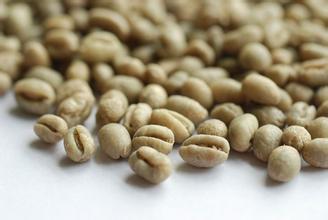
Sumatra produces some of the heaviest-bodied coffees in the world, thanks to a combination of altitude, volcanic soil, and its signature wet hulling (also called “giling basah”) processing method. This process removes the parchment layer while the beans are still moist, leading to unique physical and flavour characteristics. The result? Heavy mouthfeel, low acidity, and prominent notes of herbs, wood, spice, and caramelised sugar.
Where Exactly Do the Best Sumatran Coffees Come From?
Within Sumatra, the most renowned growing areas are centred around two volcanic lakes: Lake Toba in North Sumatra’s Simalungun and Dairi regions (notably in the Lintong area), and Lake Tawar in Aceh. These regions form the heart of what is colloquially called the "Two Lakes, Two Mandhelings." Both regions sit at elevations between 1,100 and 1,600 metres and produce G1-grade beans. The Lintong area near Lake Toba is particularly well-known for producing the benchmark Lintong Mandheling, while Aceh’s Lake Tawar beans often show more vibrant, nuanced fruit and wood tones.
Why Is It Called Mandheling—And How Did It Become Famous?
The name "Mandheling" does not refer to an ethnic group or specific farm, but to a historic misunderstanding. During World War II, a Japanese soldier tasted an exceptional coffee in Indonesia and asked for its name. The shopkeeper misunderstood and replied “Mandailing” (referring to the local people), which the soldier misheard as “Mandheling.” After the war, the soldier requested 15 tonnes of this “Mandheling” coffee from Indonesia—and it became a hit in Japan. Thus, the name stuck, even though it was never the coffee’s official origin label.
How Is Sumatran Coffee Processed Differently?
Sumatran coffee is almost exclusively processed using the traditional wet hulling method . In this method, coffee cherries are depulped and fermented overnight, then washed and dried to roughly 30–50% moisture. At this point—while the beans are still soft and moist—the parchment is removed. This partial drying and early hulling result in a flatter bean shape and contributes significantly to the coffee’s heavy body and low acidity. The process is faster than fully washing and drying to export moisture levels, and deeply tied to Indonesia’s climate and infrastructure.
What Do Sumatran Coffees Actually Taste Like?
Sumatran Mandheling coffees are celebrated—and sometimes polarising—for their full body, muted acidity, and earthy complexity. Common tasting notes include toasted bread, nuts, cedar, herbs, dark chocolate, caramel, and spices. The profile is less bright than African coffees, but offers deep savory and sweet dimensions. The classic cup may remind you of pipe tobacco, dark maple syrup, or even medicinal herbs. These are not fruit-forward coffees—but for those who enjoy texture and rustic complexity, they are incredibly satisfying.
Frequently Asked Questions
What is the difference between Lake Toba and Lake Tawar Mandheling coffees?
Lake Toba Mandheling (like those from Lintong) tends to have a heavier, more muted profile with earthy, woody, and herbal notes such as clove or medicinal herbs. Lake Tawar Mandheling, from Aceh, generally presents brighter fruitiness and more pronounced cedar or pine-like qualities, alongside a similarly thick body. Both are G1 grade and processed with wet hulling.
What is wet hulling and why is it used in Sumatra?
Wet hulling, or giling basah, is a processing method where coffee parchment is removed while the beans are still partially moist (30–50% moisture). This speeds up drying and is better suited to Indonesia’s high humidity and infrastructure limitations. It contributes to the signature heavy body, low acidity, and earthy flavours of Sumatran coffee.
Why is it called Mandheling coffee if Mandheling isn’t a place?
The name “Mandheling” originated from a World War II misunderstanding. A Japanese soldier asked for the name of a great coffee he tasted in Indonesia, but the shopkeeper thought he was asking where the soldier was from and answered “Mandailing” (a local ethnic group). The soldier misheard it as “Mandheling,” and the name became associated with the coffee after he later ordered 15 tonnes from Indonesia.
What does G1 mean in Indonesian coffee grading?
G1 is the highest grade of Indonesian coffee, indicating that the beans are of superior quality, with high uniformity, minimal defects, and typically better cupping scores. Most specialty Mandheling coffees from Sumatra are classified as G1.
What roast level suits Sumatran coffee best?
Sumatran coffees shine in medium to dark roasts, where their inherent body, spice, and sweetness can really express themselves. Lighter roasts can accentuate their herbaceous qualities, but many roasters prefer a city+ to full city+ roast to balance the earthiness with caramelisation.
Where in Sumatra are the most famous coffee farms located?
The most famous coffee-growing areas in Sumatra are around Lake Toba in North Sumatra (especially the Lintong region) and Lake Tawar in Aceh. These regions are located 1,100–1,600 metres above sea level and are known for producing the iconic “Two Lakes, Two Mandhelings” profiles.
Recommended FrontStreet Coffee Beans from Sumatra
For a true taste of Sumatra, try FrontStreet Coffee’s Lintong Mandheling, offering spice, black chocolate, and caramel with a sweet finish. For a more refined selection, the PWN Golden Mandheling is meticulously sorted and delivers toast, cedar, and rich molasses notes with deep complexity. Both showcase the signature heavy body and earthy profile of Sumatran wet-hulled coffee. Freshly roasted within 5 days · Orders placed before 17:00 ship the same day · Next-day delivery across most of Guangdong Province.
FrontStreet Coffee is a long-established specialty coffee roaster in Guangzhou China, selling freshly roasted beans from its own farm in Yunnan as well as dozens of carefully selected single-origin beans from around the world for both pour-over and espresso. The products deliver consistently excellent quality and great value, with shipping within 24 hours. Guangzhou's FrontStreet Coffee shop is recommended by many coffee lovers, and the beans are now available online at the Tmall 。
Important Notice :
前街咖啡 FrontStreet Coffee has moved to new addredd:
FrontStreet Coffee Address: 315,Donghua East Road,GuangZhou
Tel:020 38364473