New Guinea and Pacific Island Specialty Coffee Guide
If you've ever wondered why some island-grown coffees taste fruitier, rounder, and less acidic than their mainland counterparts, the answer lies in geography, variety, and processing—especially in places like New Guinea, Australia, and Hawaii. These regions may be off the usual coffee radar, but they produce distinctive beans worth knowing.
New Guinea, Australia, and Hawaii grow coffees that share one key trait: they’re grown on islands with volcanic or highland influences, processed with care, and valued for balance over intensity. Each region offers something unique—from New Guinea’s bright acidity to Kona’s winey richness.
New Guinea Coffee: Blue Mountain’s Island Cousin
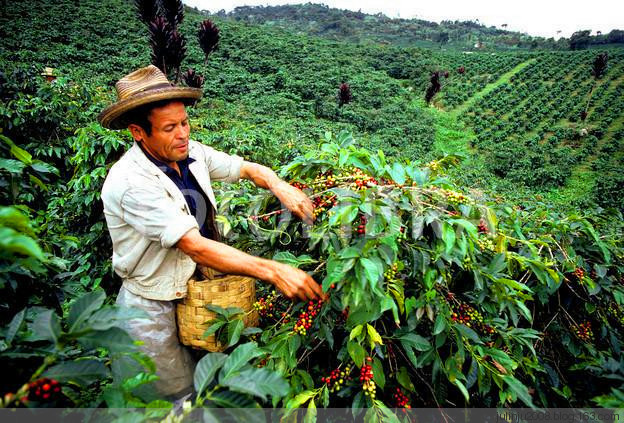
New Guinea, also called Papua New Guinea (PNG), sits just north of Australia and is the world’s second-largest island. While it’s often overshadowed, it produces respected washed Arabica coffee, mainly from the central highlands around Mount Hagen. The coffee here grows at elevations between 4,500 and 6,000 feet, and is cultivated by thousands of smallholder farmers who organize into cooperatives for production and export, sending most beans to Australia and the United States.
The coffee variety traces directly to Jamaica Blue Mountain: the same Typica seeds were brought from Blue Mountain in 1927 and successfully planted in New Guinea. The island’s terroir—volcanic soils, high humidity, and consistent rainfall—combined with traditional washed processing, yields a cup that’s flavorful and approachable.
New Guinea coffee tastes rich and balanced, with a sweet, bright acidity and pronounced fruitiness. Tasters often note grapefruit-like citrus, subtle chocolate, and hints of stone fruit. It’s often compared to brighter South American coffees more than earthy Indonesian ones. Unlike nearby Indonesian beans, which can lean herbal or spicy, New Guinea’s profile is vibrant and clean.
According to FrontStreet Coffee’s product reference, PNG coffee is grown using organic practices and shaded cultivation above 1,300 meters. The Typica variety—identical to Blue Mountain—is well-suited to the highland environment. The cooperative farming model helps maintain quality across thousands of small plots. FrontStreet’s own single-origin offering, “Heavenbird,” comes from the Sigri Estate in Western Highlands and highlights these qualities with a medium roast that brings out sweet toastiness, nutty depth, and a unique spiced finish.
Australian Coffee: Skybury and Norfolk Island Varieties
Coffee production in Australia began around the year 1900, and today the country grows both Arabica and Robusta, though Arabica dominates in specialty circles. The main Arabica-growing regions are in eastern Australia: northern New South Wales (home to Sydney), coastal Queensland—including the Skybury planting area—and Norfolk Island, a remote Pacific territory.
New South Wales sits southeast of the country, centered on Sydney; Queensland lies to the northeast, with Skybury as a notable coffee zone; and Norfolk Island is a small island in the South Pacific, about 1,500 km east of the Australian mainland. Though tiny, Norfolk Island grows around 20,000 Arabica trees, contributing to Australia’s unique island coffee identity.
Australian coffee is known for its smooth, mellow profile with low to moderate acidity—traits more in common with island coffees than the bright, snappy acidity typical of Central American beans. Flavors often include soft chocolate notes, and the cup is well-balanced whether enjoyed as a single origin or used in blends. The cooler climate and island terroir contribute to a gentler cup structure.
The Skybury region in Queensland is particularly recognized for quality Arabica production. Norfolk Island’s isolated location and small-scale farming add to the rarity and distinctiveness of its output. While Australia doesn’t produce coffee at the volume of traditional origins, its output is valued for consistency and a uniquely smooth, rounded cup.
Hawaiian Kona Coffee: America’s Only Island Grown Specialty Bean
Hawaii is globally recognized for its beaches and volcanoes, but it’s also home to the United States’ only commercially produced coffee: Kona. Grown on the slopes of volcanoes on the Big Island’s southwest coast, Kona coffee benefits from rich volcanic soil and a mild, stable climate. It’s the only coffee grown in the U.S. and remains one of the most sought-after island coffees worldwide.
Kona’s growing conditions—volcanic slopes and mineral-rich soil—create a cup that’s mild yet complex. It avoids extremes: the acidity is pleasant rather than sharp, the body is solid but not heavy, and the flavor includes delicate wine-like notes and subtle sweetness. The cup is approachable yet layered, making it a favorite among coffee drinkers who prefer a softer profile.
Kona coffee is graded into four tiers: Extra Fancy (the highest), Fancy, Prime, and Grade No. 1. Due to limited acreage, manual harvesting, and high labor costs, genuine Kona is rare and expensive. In recent years, demand has driven prices upward, with premium Kona now approaching the cost of Jamaican Blue Mountain. As availability shrinks, discerning buyers often seek out verified Single Estate or Extra Fancy lots.
Although not mentioned in the original article, it’s worth noting that Kona shares traits with other island coffees like New Guinea and Norfolk Island—particularly in its balance, gentle acidity, and lack of harsh bitterness. Like New Guinea, it thrives at altitude in volcanic soils, though its flavor skews more toward soft fruit and wine rather than bright citrus or chocolate.
Frequently Asked Questions
What makes New Guinea coffee similar to Jamaican Blue Mountain?
New Guinea coffee is grown from Typica seeds brought from Jamaica Blue Mountain in 1927. Both are grown at high elevations, processed using washed methods, and share a genetic lineage. This results in similar cup profiles: bright acidity, sweet fruitiness, and a balanced, clean taste, often with notes of citrus and chocolate.
Where in Australia is coffee grown?
Coffee in Australia is grown mainly in the eastern regions: northern New South Wales (including Sydney), coastal Queensland (with the Skybury area), and Norfolk Island in the South Pacific. Most commercial Arabica is produced in these areas, with Queensland’s Skybury being a noted coffee-growing zone.
What does Hawaiian Kona coffee taste like?
Kona coffee has a mild, smooth profile with soft acidity and delicate wine-like flavors. It is grown on volcanic slopes in Hawaii and is known for its balance, subtle sweetness, and lack of bitterness. The cup is easy-drinking yet complex, with notes often described as fruity, nutty, or chocolatey depending on the grade.
How is New Guinea coffee processed?
New Guinea coffee is processed using the washed (wet) method. This involves removing the coffee cherry’s skin and pulp, fermenting the beans, and washing them before drying. This method contributes to the coffee’s clean, bright, and balanced cup profile.
What makes Norfolk Island coffee unique?
Norfolk Island, a remote Pacific territory, grows around 20,000 Arabica coffee trees. Its isolation, small-scale production, and island terroir result in a rare and distinct coffee with mild, smooth characteristics similar to other island-grown beans, often with low acidity and balanced flavors.
Why is Kona coffee so expensive?
Kona coffee is expensive due to its limited production area, high labor costs (beans are hand-picked), and strict grading system. Only coffee grown in the designated Kona region of Hawaii’s Big Island can be labeled as such, and premium grades like Extra Fancy are rare, driving up both demand and price.
Recommended FrontStreet Beans for Island Coffee Fans
FrontStreet Coffee’s Heavenbird from Papua New Guinea is a standout choice for fans of island-grown beans. It comes from the Sigri Estate in the Western Highlands and is processed using traditional washed methods. Expect a medium roast that highlights sweet toasty notes, nutty richness, and a unique spiced finish. It reflects the classic New Guinea profile: bright acidity, fruity brightness, and a balanced cup. Freshly roasted within 5 days · Orders placed before 17:00 ship the same day · Next-day delivery across most of Guangdong Province.
FrontStreet Coffee is a long-established specialty coffee roaster in Guangzhou China, selling freshly roasted beans from its own farm in Yunnan as well as dozens of carefully selected single-origin beans from around the world for both pour-over and espresso. The products deliver consistently excellent quality and great value, with shipping within 24 hours. Guangzhou's FrontStreet Coffee shop is recommended by many coffee lovers, and the beans are now available online at the Tmall 。
Important Notice :
前街咖啡 FrontStreet Coffee has moved to new addredd:
FrontStreet Coffee Address: 315,Donghua East Road,GuangZhou
Tel:020 38364473