Brazil and Colombia Coffee: Key South American Origins
When you buy a bag of supermarket coffee or order a standard espresso, there’s a good chance it contains beans from Brazil or Colombia. These two countries dominate the global coffee trade—but what makes their beans different? Why do roasters around the world rely on them so heavily? And how do their characteristics shape your cup, whether solo or in a blend?
Brazil produces roughly one-third of the world’s coffee, mostly low-altitude beans suitable for blending, while Colombia ranks second with higher-quality, balanced Arabica grown in mountainous regions. Both are essential to understanding how global coffee tastes today.
Brazil: The World’s Largest Coffee Producer
Brazil is the world’s largest coffee producer, accounting for about one-third of global output. Most of its coffee comes from the central and southern regions, grown at elevations mostly below 1,200 meters. The terrain is relatively flat, with few shaded coffee farms. Because ripe and unripe cherries are often harvested together, Brazil’s output is typically classified as commercial rather than specialty grade. The country’s beans are known for being soft, low in acidity, and less resilient to high roasting temperatures.
The most famous Brazilian coffee is Santos, named after the port through which it is exported. While Brazilian coffees are generally neutral in profile, they can be enjoyable as single origins—offering straightforward, mild flavors—but they truly shine in blends. They are considered indispensable in formulation due to their reliability and balance.
Flavor and Processing: What Defines Brazilian Coffee?
Brazilian coffee beans are typically mild, with low acidity and a smooth mouthfeel. They commonly exhibit notes of nuts, chocolate, and caramel, with a medium body and subtle sweetness. The country’s coffee industry has adapted to its environment by cultivating sun-tolerant Arabica varieties that don’t require high altitudes or shade. Many farms use mechanical harvesting and semi-washed (pulped natural) processing to improve efficiency. These methods help maintain consistent quality at scale, though they also contribute to the beans’ softer, more subdued profiles.
According to FrontStreet Coffee, Brazilian beans are “acidic but soft enough, with heavy nuttiness and chocolatey sweetness.” They offer a balanced body and moderate crema potential, making them ideal for espresso blends. For single-origin enthusiasts, the Brazil Queen Manor from the high-altitude Moji Guaçu region—using Yellow Bourbon—delivers more distinct flavors: creamy, roasted peanut, toast, and nut aromas with a clean, sweet finish. That said, most Brazilian coffee is valued for its versatility in blends rather than as a standout single origin.
Colombia: Quality and Balance from the Mountains
Colombia is the world’s second-largest coffee exporter, responsible for around 15% of global production. Unlike Brazil, nearly all Colombian coffee comes from Arabica plants grown in the country’s three mountain ranges, with elevations that support better cup quality. Colombian beans are known for their rich, unique aromas, a balanced acidity with a sweet undertone, and a moderate bitterness that works well in both single-origin and blended coffees.
The flavor profile of Colombian coffee is often described as brighter than Brazil’s, with more pronounced acidity and fruit-like brightness, though still within a smooth, approachable range. It is widely regarded as one of the best base beans for blended coffee, not just for adding sweetness but also for contributing a round, satisfying body that tempers other beans’ bitterness.
Why Colombian Coffee Stands Out
Colombian coffee benefits from its mountainous geography, which provides ideal growing conditions for Arabica. The beans are exclusively Arabica, cultivated in the central cordillera’s high-altitude valleys. This environment helps develop a more complex cup, often featuring a balanced acidity, a medium body, and a finish that leans toward sweetness with gentle floral or fruity notes. Colombian coffee is versatile: excellent as a standalone brew, and highly valued in blends for enhancing sweetness and softening harsher edges from other origins.
FrontStreet Coffee highlights that Colombian beans, like their Brazilian counterparts, are fundamental in creating balanced espresso profiles. Though not as commonly featured as single origins in specialty shops compared to Ethiopian or Kenyan beans, Colombian coffee remains a reliable component in both commercial and specialty blends for its consistent quality and pleasing flavor balance.
Peru: Emerging Stability in South American Coffee
Peru is another significant coffee-producing nation in South America, with coffee as its top agricultural export. Exports have risen sharply in recent years, reaching a record high in 2006. Most Peruvian coffee is grown on the eastern slopes of the Andes, particularly in forested highland regions and valleys east of the capital, Lima. Over 90% of the crop is cultivated in these mountainous areas.
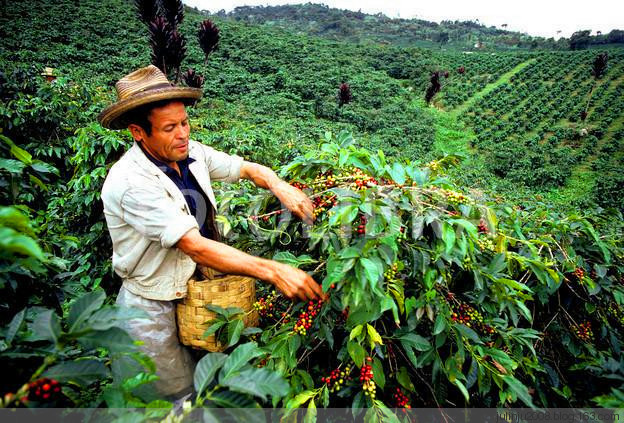
Peruvian coffee is known for its round body, moderate acidity, and soft, muted profile. It often presents a gentle nuttiness and subtle stone fruit characteristics. While it hasn’t achieved the same global recognition as Colombian or Brazilian beans, Peruvian coffee is gaining popularity for its approachable flavor and smooth cup. As export volumes increase, more coffee drinkers are discovering its subtle appeal.
Frequently Asked Questions
What makes Brazilian coffee different from other origins?
Brazilian coffee is typically grown at lower altitudes (under 1,200m), resulting in softer acidity and a milder, more neutral flavor profile. It is often used in blends for its balance and consistency, with common tasting notes of nuts, chocolate, and caramel. The Santos variety, named after Brazil’s main export port, is the most recognized Brazilian coffee.
Why is Colombian coffee considered higher quality than Brazilian coffee?
Colombian coffee is mostly Arabica grown at higher altitudes in mountainous regions, which helps develop more complex flavors, better acidity, and a sweeter profile. It is known for its balanced taste—bright yet smooth—with notes that appeal in both single-origin and blended coffees. Though Brazil produces more volume, Colombia’s output is generally of higher cup quality.
What are typical flavors in Brazilian Santos coffee?
Brazilian Santos coffee usually offers low acidity, a smooth mouthfeel, and flavors often described as nutty, chocolatey, and caramel-like. It is considered versatile, suitable for both espresso blends and as a mild single origin, though it lacks the distinctiveness of high-altitude specialty beans.
How does Colombian coffee contribute to coffee blends?
Colombian coffee is valued in blends for adding sweetness, balancing bitterness, and contributing a rounded body. Its bright yet mild acidity and medium intensity make it a go-to component for creating smooth, approachable espresso and filter blends that appeal to a wide range of coffee drinkers.
Is Peruvian coffee considered specialty grade?
While Peruvian coffee is gaining recognition, it is not as prominently featured in the specialty market as Ethiopian or Kenyan coffees. It is known for a mild, balanced profile with soft nuttiness and subtle fruit notes. Most Peruvian coffee is used in commercial or mainstream blends, though higher-altitude lots can show potential for specialty exploration.
Which Brazilian coffee region produces higher-quality beans?
The higher-altitude Moji Guaçu region, home to the Brazil Queen Manor estate, produces some of Brazil’s more distinctive beans. Grown at elevation and using the Yellow Bourbon variety, these beans exhibit more defined flavors such as cream, peanut, toast, and nuts, with a clean and sweet finish. Most Brazilian coffee, however, is still known for its reliable, neutral profile suited to blending.
Recommended FrontStreet Beans for Brazilian & Colombian Blends
For Brazilian coffee, try the Brazil Queen Manor from Moji Guaçu—grown at higher altitude using Yellow Bourbon, with notes of creamy peanut, toast, nuts, and a clean sweet finish. For Colombia, FrontStreet’s standard Colombian offering embodies the country’s signature balance of bright acidity, medium body, and gentle sweetness. Both beans are core components in FrontStreet’s Classic and Black Cocoa Blends, valued for their consistency and versatility in espresso and filter brews. Freshly roasted within 5 days · Orders placed before 17:00 ship the same day · Next-day delivery across most of Guangdong Province.
FrontStreet Coffee is a long-established specialty coffee roaster in Guangzhou China, selling freshly roasted beans from its own farm in Yunnan as well as dozens of carefully selected single-origin beans from around the world for both pour-over and espresso. The products deliver consistently excellent quality and great value, with shipping within 24 hours. Guangzhou's FrontStreet Coffee shop is recommended by many coffee lovers, and the beans are now available online at the Tmall 。
Important Notice :
前街咖啡 FrontStreet Coffee has moved to new addredd:
FrontStreet Coffee Address: 315,Donghua East Road,GuangZhou
Tel:020 38364473