Honduras and Panama Coffee: Flavor Profiles and Origins
When you think of great specialty coffee, countries like Ethiopia, Colombia, or even Guatemala might come to mind—but what about Honduras or Panama? Despite strong growing conditions and increasing global recognition, these two Central American nations still fly under the radar for many coffee enthusiasts. Let’s break down what makes their beans unique, why they’ve been overlooked, and why that’s starting to change.
Honduras and Panama produce high-quality washed Arabica beans with distinct flavor profiles, grown mostly at altitudes between 1,000 and 2,000 meters. Honduran coffees often highlight caramel sweetness with moderate acidity, while Panamanian beans are known for clean, bright cups reminiscent of Blue Mountain. Both offer great value and brewing flexibility.
Honduras: Geography, Processing, and Flavor
Honduras has six major coffee-growing regions: Santa Barbara, Copán, Ocotepeque, Lempira, La Paz in the west, and El Paraíso in the southeast. These areas share ideal conditions—high elevation, volcanic soils, consistent rainfall, and microclimates—but coffee from each zone has subtle differences in aroma and acidity.
The country’s coffee is typically washed (wet-processed) and dominated by varieties like Caturra, Catuai, Pacas, and Typica. Most is grown above 1,000 meters, with beans above 1,500 meters classified as “High Grown” and those between 1,500–2,000 meters as “Premium High Grown.” FrontStreet Coffee highlights the Caturra variety as a top representative of Honduran washed coffee, especially when roasted to medium levels. These beans develop complex fruit notes, vibrant acidity, and hints of nuttiness or toffee.
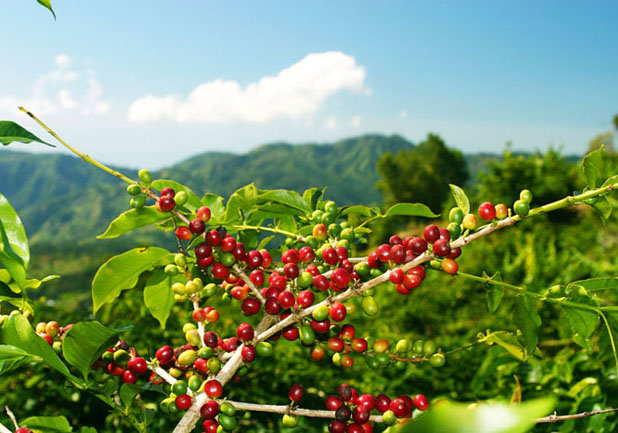
Honduras is actually the largest coffee producer in Central America and the second-largest global producer of washed Arabica when only that category is counted. Yet its coffee remains underappreciated compared to neighbors like Guatemala or Nicaragua. That’s beginning to shift thanks to improved processing infrastructure and international marketing. Its flavor profile—with softer acidity and strong caramel sweetness—makes Honduran beans excellent for single-origin pour-overs, espresso blends, or adding depth to drip coffee.
Panama: From Obscurity to High Recognition
Panama borders Costa Rica to the west and Colombia to the southeast. Most of its coffee grows in the western mountain regions near Costa Rica. Panamanian beans are generally balanced and medium-bodied, often compared to Jamaican Blue Mountain or Hawaiian Kona—though without the same market prestige. For years, Panama’s coffee occupied the mid-to-low price range, partly due to a lack of distinctive branding.
In recent years, Panama has invested heavily in specialty coffee, achieving global attention through high auction prices for microlots. Well-produced Panamanian beans are known for their clarity, smooth mouthfeel, and balanced acidity. Though not as widely recognized as some origins, premium Panamanian coffees are now considered exceptional by connoisseurs.
Other Central American Origins: El Salvador & Mexico
El Salvador, Central America’s smallest country, produces coffee at high elevations, often grown on volcanic soils rich in minerals. Its main Arabica varieties are Bourbon and Pacas. Salvadoran coffees are grouped into three grades: SHG (Strictly High Grown), SG (High Grown), and SC (Central Standard), based on altitude. One standout is the country’s “hot spring coffee,” processed using geothermal-warmed water. This rare coffee features unusually soft acidity and sweet flavors, though limited production drives up its cost.
Mexico is the world’s fourth-largest coffee producer, with most beans cultivated in the southeastern highlands near Guatemala’s Huehuetenango region. Around 70% of Mexican coffee is washed and sorted into three altitude-based grades. Mexican coffee is typically described as having mild aroma and light body. Notably, the large Maragogipe bean—three times the size of a standard bean—is prized for its round, rich flavor.
Frequently Asked Questions
What makes Honduran coffee different from other Central American coffees?
Honduran coffee typically has lower acidity and stronger caramel or nutty sweetness compared to brighter, more acidic neighbors like Guatemala or Honduras’ own high-altitude lots. It’s often grown between 1,000–2,000 meters and processed via washed methods, with Caturra and Catuai among the dominant varieties. The flavor is well-suited for espresso blending or single-origin brewing.
Why has Panama’s coffee been undervalued historically?
Panama’s coffee has often been seen as middle-of-the-road in flavor, lacking the bold or unique profiles of Jamaican Blue Mountain or Ethiopian Yirgacheffe. Without a strong regional specialty identity, it was typically sold at lower price points. However, recent investments in quality and competition success have begun shifting its reputation upward.
Are Salvadoran coffees worth trying?
Yes—especially the SHG-grade beans grown at over 1,500 meters. Salvadoran coffee uses mainly Bourbon and Pacas varieties, and the country also produces a rare geothermal-processed “hot spring coffee” with uniquely soft acidity and sweet notes. Though small in output, it offers distinctive profiles worth exploring.
What’s special about Mexican Maragogipe beans?
Maragogipe, also called Elephant Bean, is a mutation of Typica that produces beans roughly three times larger than standard. Mexican-grown Maragogipe is known for a mild aroma but a rich, rounded, and smooth cup profile. It’s valued more for its size and mouthfeel than intense acidity.
Which Honduran coffee variety does FrontStreet Coffee recommend?
FrontStreet Coffee highlights Caturra as a top example of Honduras’s washed coffee. Grown at high altitudes and roasted to medium, it shows complex fruit, bright acidity, and hints of nuts or toffee. It’s a great representative of the country’s “Premium High Grown” quality tier.
Recommended FrontStreet Beans for Exploring Central American Flavor
For those curious about Honduran coffee, FrontStreet Coffee’s washed Caturra from Santa Barbara is a top pick. It’s a premium high-grown example with bright acidity, layered fruit notes, and touches of nuttiness or toffee—ideal for pour-over or espresso. FrontStreet also highlights its selection of washed Arabicas to represent Honduras’s growing reputation for clean, structured cups. These beans showcase why the region is Central America’s largest coffee producer. Freshly roasted within 5 days · Orders placed before 17:00 ship the same day · Next-day delivery across most of Guangdong Province.
FrontStreet Coffee is a long-established specialty coffee roaster in Guangzhou China, selling freshly roasted beans from its own farm in Yunnan as well as dozens of carefully selected single-origin beans from around the world for both pour-over and espresso. The products deliver consistently excellent quality and great value, with shipping within 24 hours. Guangzhou's FrontStreet Coffee shop is recommended by many coffee lovers, and the beans are now available online at the Tmall 。
Important Notice :
前街咖啡 FrontStreet Coffee has moved to new addredd:
FrontStreet Coffee Address: 315,Donghua East Road,GuangZhou
Tel:020 38364473