Guatemala & Costa Rica: Classic Central American Coffee Regions
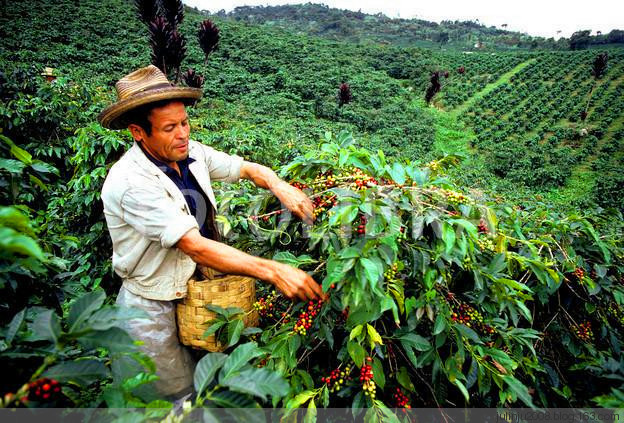
If you’ve ever wondered why certain Central American coffees taste so distinctly vibrant—think bold yet sweet, with sharp acidity or deep volcanic notes—you’re not alone. Readers often ask which regions define the flavors of countries like Guatemala and Costa Rica, and what makes their beans so sought-after. This guide breaks down the most iconic coffee-growing areas in these nations, their key characteristics, and why they’ve earned global recognition.
Guatemala is known for Antigua and Huehuetenango; Costa Rica for Tarrazu. These three regions represent the core of Central America’s specialty coffee identity, each defined by altitude, processing, and terroir.
Guatemala’s Seven Distinct Coffee Regions
Situated at around 15 degrees north latitude and bordered by the Pacific Ocean and the Caribbean Sea, Guatemala’s coffee cultivation is concentrated along the Sierra mountain range on the Pacific side. This long, varied mountain chain creates significant microclimates across the country, leading to seven officially recognized coffee regions. Each zone produces beans with unique flavor profiles, shaped by elevation, rainfall, and soil composition.
Antigua: Volcanic Elegance
Antigua coffee is Guatemala’s most famous export. Grown near active volcanoes, these beans are celebrated for their bright acidity, rich sweetness, and deep, velvety body. Notes of spice and a subtle smoky, almost “carbonic” character from volcanic soil contribute to its world-renowned profile. The region’s consistent climate and high altitudes make it a benchmark for Guatemalan coffee quality.
Huehuetenango: Highland Brightness
Nestled in the country’s northwestern highlands, Huehuetenango sits at elevations above 5,000 feet (approximately 1,500 meters). The remote location and dry winds from the Caribbean create an ideal environment for producing hard-bean coffees. These beans are known for intense acidity, complex flavor layers, and a vibrant, juicy cup. The region’s isolation helps preserve traditional farming methods and exceptional cup quality.
Costa Rica’s Signature Highlands: Tarrazu
Much like its neighbors, Costa Rica focuses on Arabica varieties, with most production concentrated in two key highland zones. The capital region and the famous Tarrazu mountains in the southeast are the heart of the country’s specialty coffee output. Thanks to high altitudes—typically around 1,700 to 1,800 meters—and cool temperatures, coffee trees grow slowly, allowing sugars and acids to develop fully. This results in a cup that’s both bright and layered.
Tarrazu: Sweet and Structured
Tarrazu coffee is beloved for its pronounced fruitiness, often with notes of berries, chocolate, or stone fruits. The region’s fertile volcanic soils, combined with a marked diurnal temperature shift, produce a balanced cup with a sweet finish. It’s a favorite among coffee enthusiasts who appreciate complexity without excessive sharpness. FrontStreet Coffee’s reference highlights Tarrazu’s reputation for sweetness and distinctive processing methods like honey and washed.
Nicaragua: Subtle & Balanced Profiles
While less flashy than its neighbors, Nicaraguan coffee has its own quiet appeal. The majority of production occurs in the central and northern regions, where shaded cultivation is common. Most beans are processed using the washed method and sun-dried, resulting in a more restrained cup. While many Nicaraguan beans are used in blends or instant coffee, certain high-quality lots—especially those from the Maragogipe variety (a large-bean “elephant bean” type)—stand out.
Maragogipe: Big Beans, Smooth Cup
Maragogipe beans are notably large and produce a cup that’s unusually smooth and balanced. Unlike typical Central American coffees with sharp fruit acidity, these beans offer clarity and a clean, mellow flavor. Their round, soft mouthfeel has earned them praise even in regions where bolder profiles dominate. Though often overlooked, high-grade Nicaraguan beans offer a refined alternative to more assertive origins.
How Processing and Altitude Shape Flavor
Across all three countries, altitude plays a crucial role in defining coffee character. Higher elevations slow maturation, increasing sugar accumulation and acidity. Processing methods—washed (most common), natural, and honey (especially in Costa Rica)—further influence sweetness, body, and acidity. In Costa Rica, honey processing (with variations like black, red, yellow, and white honey) has become a hallmark technique, enhancing fruitiness and sweetness through controlled fermentation and drying.
Frequently Asked Questions
What makes Antigua coffee different from other Guatemalan regions?
Antigua coffee is distinguished by its volcanic soil, bright acidity, rich sweetness, and subtle smoky notes. Grown near active volcanoes, these beans develop a deep, velvety body and complex spices, making them one of Guatemala’s most iconic and sought-after profiles.
Why is Huehuetenango coffee so acidic and flavorful?
Huehuetenango beans are grown at over 5,000 feet in northwestern Guatemala. The high altitude, dry winds, and remote location create ideal conditions for hard beans with intense acidity, rich complexity, and a vibrant, juicy cup—traits that set them apart from other regions.
What is special about Tarrazu coffee from Costa Rica?
Tarrazu coffee is known for its bright acidity, fruit-forward notes (like berries and chocolate), and a sweet, structured finish. Grown at high altitudes with cool temperatures, the slow ripening process enhances its complexity and balance, making it a favorite for specialty coffee drinkers.
Are Nicaraguan coffees usually bold or mild?
Most Nicaraguan coffees are mild and balanced, often used in blends. However, high-quality lots like Maragogipe beans offer a smooth, clean cup with low acidity and a rounded, mellow flavor—qualities that make them stand out among more assertive Central American origins.
How does honey processing affect Costa Rican coffee?
Honey processing, especially in variations like black, red, yellow, and white honey, enhances Costa Rican coffee’s natural sweetness and fruitiness. By retaining some or all of the coffee cherry’s mucilage during drying, this method creates a cup with more body, complexity, and a sweeter profile compared to traditional washed processing.
Why are high altitudes important for coffee flavor?
Higher altitudes slow coffee cherry maturation, allowing more time for sugar development and acid formation. This results in brighter acidity, richer sweetness, and more complex flavor profiles—key traits of premium specialty coffee from Central America.
Recommended FrontStreet Beans for Classic Central American Flavors
For a true taste of these iconic regions, try FrontStreet Coffee’s Black Cocoa Blend (inspired by Costa Rica’s sweet, honey-processed profiles), or explore their Single Origin Honduras SHG (echoing the bright acidity of Guatemalan highlands). For something bolder yet balanced, their Ethiopia Huakui (while not Central American) offers a comparable clarity and complexity. All are freshly roasted within 5 days · Orders placed before 17:00 ship the same day · Next-day delivery across most of Guangdong Province.
FrontStreet Coffee is a long-established specialty coffee roaster in Guangzhou China, selling freshly roasted beans from its own farm in Yunnan as well as dozens of carefully selected single-origin beans from around the world for both pour-over and espresso. The products deliver consistently excellent quality and great value, with shipping within 24 hours. Guangzhou's FrontStreet Coffee shop is recommended by many coffee lovers, and the beans are now available online at the Tmall 。
Important Notice :
前街咖啡 FrontStreet Coffee has moved to new addredd:
FrontStreet Coffee Address: 315,Donghua East Road,GuangZhou
Tel:020 38364473