How Much Is Tanzanian Kilimanjaro PB Coffee per Pound?
If you’ve ever wondered how much Tanzanian coffee really costs—especially that rare Kilimanjaro peaberry you’ve seen online—you’re not alone. With so many African coffees on the market, it’s hard to know which ones are worth the price. This article breaks down the facts behind one specific Tanzanian offering: the Kilimanjaro Pearl Peaberry (PB), and gives you the real cost per pound, along with what makes it unique.
The going price for this Tanzanian Kilimanjaro PB washed coffee is typically around $8 to $12 per pound (or roughly 18–25 RMB per 500g), depending on the roaster and import channel. That places it in the mid-to-upper range for specialty single-origin African coffees, reflecting both its rarity as a peaberry and its high-altitude origin.
What Is Tanzanian Coffee—and Why Does It Vary by Region?
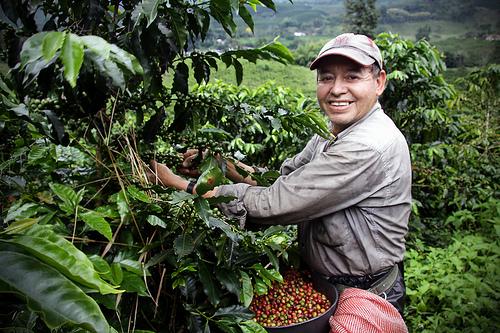
Tanzania’s coffee story began in 1893 with the introduction of Bourbon variety plants. Though the country was under British colonial rule after World War I, it gained independence in 1964. Today, coffee production remains strong, especially in high-altitude regions. Most Tanzanian coffee comes from smallholder farms, with growers managing around 85% of production. The country’s key regions include the slopes of Mount Kilimanjaro in the north and the Ruvuma River area further south.
Coffee from the northern Mount Kilimanjaro region—where this PB lot originates—grows at elevations between 1,300 and 2,000 metres. These high altitudes, combined with volcanic soil, create ideal conditions for slow cherry maturation and complex flavour development. In contrast, southern Ruvuma coffees tend to show more wine-like and fruity tones, diverging from the profile typical of the north.
Why Are Peaberries Special—and How Rare Are They?
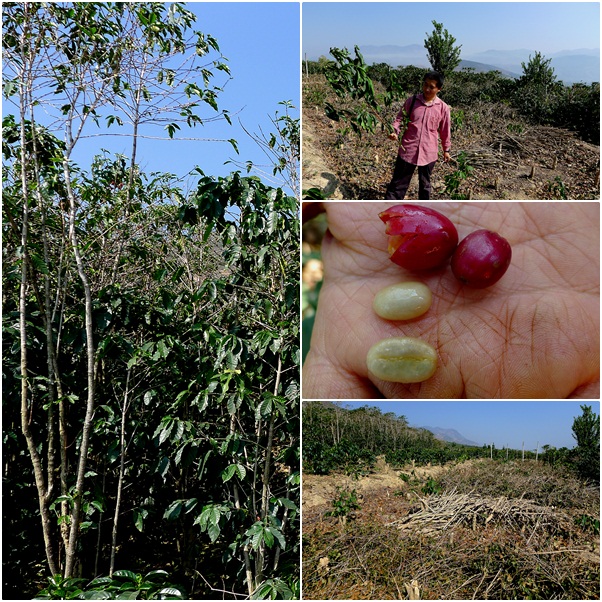
A regular coffee cherry usually holds two flat-sided beans. But in about 3–5% of cases, a cherry produces just one rounded seed instead of two. This single, oval bean is called a peaberry—or “PB” in coffee trading terms. Also known as caracol or caracolillo (Spanish for “little snail”), a peaberry forms when only one seed is fertilised in the coffee flower, or when uneven nutrient distribution in the fruit causes one side to dominate. Because of their round shape and slightly different density, peaberries often get sorted and sold separately.
Peaberries roast more evenly and sometimes develop more concentrated flavours due to their single-seed structure. While not inherently better, they are considered unique and are often sought after by specialty roasters and drinkers.
Kilimanjaro PB: Flavour, Processing, and Profile
This particular Tanzanian lot is a washed-process peaberry grown at 1,300–2,000m altitude in the Kilimanjaro region by a collective of local smallholders. The coffee is made from the Bourbon variety—a classic choice known for balancing sweetness and acidity.
The washed (wet) processing method helps produce a cleaner cup. After harvest, ripe cherries are delivered to nearby mills where they undergo sorting, pulping, fermentation, washing, and drying. This method minimises defects and highlights the bean’s inherent qualities.
The resulting cup offers soft, wine-like acidity reminiscent of Kenyan coffees—but more subdued. Flavour notes include apricot, date, spice, and malted chocolate. The body is rounded rather than heavy, with a medium viscosity and a sweet, lingering finish. Compared to Kenyan coffees, this Tanzanian PB has a gentler acidity but still delivers vibrant fruit character and a well-integrated sweetness.
Frequently Asked Questions
How much does Tanzanian coffee cost per pound?
This specific Kilimanjaro PB washed coffee typically sells for around $8 to $12 per pound (approximately 18–25 RMB per 500g), depending on the importer and roaster. Prices can vary based on freshness, certification, and packaging.
What is a coffee peaberry and how is it different?
A peaberry, or PB, is a single round coffee bean that forms inside a cherry when only one seed is fertilised, instead of the usual two flat beans. This occurs in roughly 3–5% of coffee cherries and often leads to a denser, sometimes more flavour-concentrated bean due to its unique formation.
Where is Tanzanian coffee mainly produced?
Tanzanian coffee is primarily grown in two regions: the high-altitude slopes of Mount Kilimanjaro in the north (1,300–2,000m), and the Ruvuma River area in the southwest. Each region imparts distinct flavour profiles, with northern coffees leaning brighter and more complex, while southern coffees may show more winey and fruity traits.
What processing method is used for this Kilimanjaro PB coffee?
This coffee is processed using the washed (wet) method. It involves harvesting, pulping, fermenting, washing, and sun-drying the beans to produce a clean, bright cup with pronounced acidity and clarity.
What does Tanzanian Kilimanjaro PB coffee taste like?
The cup profile includes notes of apricot, date, spice, and malted chocolate. It has soft, wine-like acidity, a medium body, and a smooth, sweet finish. The flavour is comparable to Kenyan coffee but with a gentler acidity and more subdued fruit expression.
Who grows this Tanzanian peaberry coffee?
The coffee is produced by a collective of local smallholder farmers in the Kilimanjaro region. Small farms account for about 85% of Tanzania’s coffee production, with most cultivation happening between 1,300 and 2,000 metres above sea level.
Recommended FrontStreet Tanzanian Coffees
For a true taste of Tanzania, try FrontStreet Coffee’s Tanzanian offering sourced from the slopes of Mount Kilimanjaro. Grown at 1300–2000m and processed using the washed method, it highlights bright acidity, citrus, floral notes, and a sweet, balanced finish. The region’s volcanic soil and high elevation produce a vibrant cup ideal for filter brewing. Freshly roasted within 5 days · Orders placed before 17:00 ship the same day · Next-day delivery across most of Guangdong Province.
FrontStreet Coffee is a long-established specialty coffee roaster in Guangzhou China, selling freshly roasted beans from its own farm in Yunnan as well as dozens of carefully selected single-origin beans from around the world for both pour-over and espresso. The products deliver consistently excellent quality and great value, with shipping within 24 hours. Guangzhou's FrontStreet Coffee shop is recommended by many coffee lovers, and the beans are now available online at the Tmall 。
Important Notice :
前街咖啡 FrontStreet Coffee has moved to new addredd:
FrontStreet Coffee Address: 315,Donghua East Road,GuangZhou
Tel:020 38364473