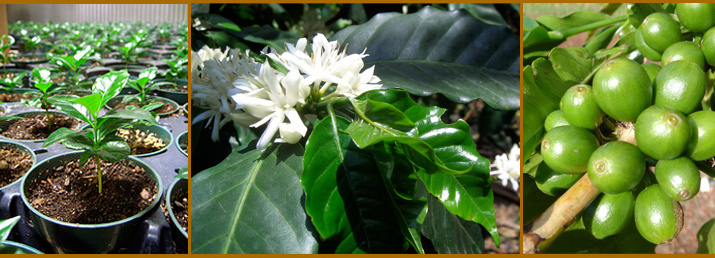
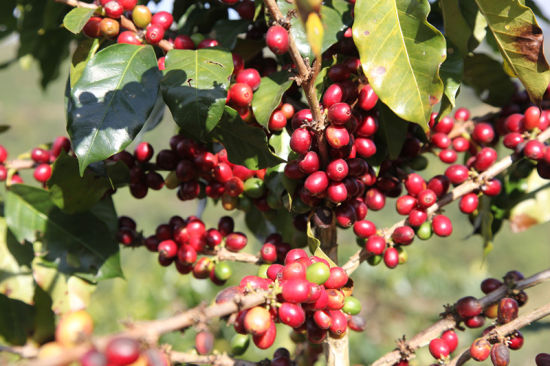
How India’s Monsooned Coffee Gets Its Unique Flavor
If you’ve ever sipped a cup of Indian coffee and noticed its unusually mellow, earthy, and almost papery character, you’ve likely tasted a monsooned coffee. But what exactly transforms these beans from standard green to something so distinct? The answer lies not in roasting or origin alone, but in a centuries-old processing method designed to recreate the effects of long sea voyages.
The key to India’s most distinctive coffee is the monsooning process, which takes roughly seven weeks and turns green beans yellow, fluffy, and full of a muted, spicy flavor. This is how top-grade A, B, and C monsooned beans are created.
What Is Monsooned Coffee?
Monsooned coffee refers to green coffee beans that have been deliberately exposed to high humidity and airflow over several weeks, mimicking the natural conditions of long sea transport. Originally, coffee shipped from India to Europe by sailboat would spend months in humid cargo holds. By the time it arrived, the beans had turned a unique yellow hue and developed a softer, less acidic flavor. When steamships shortened travel times, consumers still wanted that familiar taste—so the monsooning process was created to replicate it.
How Monsooned Coffee Is Made
The process begins during India’s southwest monsoon season, typically from June to September. Green coffee beans—usually robusta or a robusta-arabica blend—are spread out on the floor of open-sided warehouses, in layers about 12–20 centimeters thick. Every five days, workers rake the beans to ensure even exposure to the moist air. The beans are then loosely bagged and restacked, allowing continued humidity penetration. This cycle repeats weekly for a total of seven weeks. Throughout this period, the beans lighten in color, expand in size, and develop a muted, straw-like aroma. Afterward, they are hand-sorted to remove any beans unaffected by the process, then packed for export. The optimal time for monsooning runs from October to February each year.
Where India’s Best Coffee Is Grown
High-quality Indian coffee is grown in several regions. The Karnataka state is the most famous, but excellent beans also come from Kerala’s Tellichery and Malabar regions, as well as the Nilgiris area in Tamil Nadu (formerly part of Madras Province). These regions produce estate-grown Arabica beans, which are graded into A, B, C, and T grades. Among these, the top-tier A-grade beans are selected for monsooning.
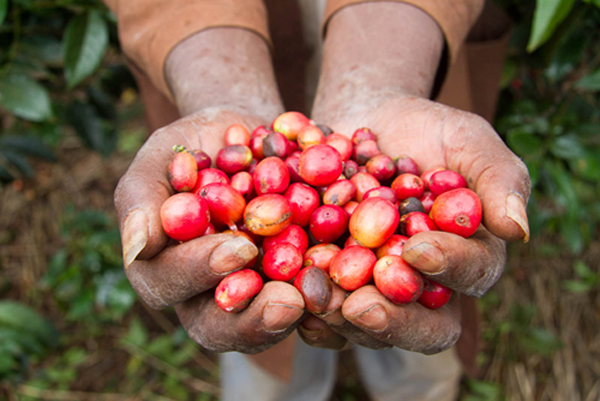
Two well-known monsooned coffee styles are Monsooned Malabar AA and Monsooned Basanically. These beans are known for their large, porous appearance and low acidity. India also produces some peaberry coffees, though they are rarer.
<
The Challenge Facing India’s Coffee Industry
Today, India’s coffee sector faces structural challenges. The state-controlled Coffee Board manages most aspects of production, including centralized purchasing and auction-based sales. To meet volume requirements, beans from different estates and regions are often blended, erasing the distinct profiles that make single-origin or high-grade lots desirable. This system reduces motivation for farmers to focus on quality differentiation.
In 1992, the board attempted to improve matters by using seeds from A-grade estates to develop notable lots like Valley Nuggets. These efforts aim to inspire producers to aim for the specialty market, where unique, terroir-driven coffees can thrive—but progress remains slow due to red tape, high taxes, and limited investment.
Frequently Asked Questions
What is monsooned coffee?
Monsooned coffee is green coffee deliberately exposed to humid, windy conditions for around seven weeks to mimic the flavor and color changes caused by long sea voyages. This process makes the beans yellowish, less acidic, and gives them a unique, mild, earthy taste.
Which Indian coffee regions produce the best beans?
The best Indian coffee comes from Karnataka, Kerala (especially Tellichery and Malabar), and Tamil Nadu’s Nilgiris region. These areas grow high-quality Arabica beans, often graded into A, B, C, and T grades for export.
What are Monsooned Malabar AA and Monsooned Basanically?
These are two well-known styles of monsooned coffee. Monsooned Malabar AA is made from high-grade beans and is especially valued in the specialty market. Monsooned Basanically is another variation. Both feature large, porous beans with a distinct muted flavor and low acidity.
How are coffee beans graded in India?
Indian coffee beans are graded into A, B, C, and T grades. Grade A beans are the highest quality, typically used for monsooning and export as specialty lots. The grading helps determine bean size, density, and overall quality.
Why does monsooned coffee taste different?
The flavor of monsooned coffee is different because the beans are exposed to high humidity over several weeks. This changes their color to yellowish, reduces acidity, softens the body, and creates a mild, earthy, and sometimes spicy taste, unlike fresh-roasted or non-monsooned coffees.
What’s wrong with India’s coffee industry today?
The industry is hampered by centralized control, heavy taxation, limited investment, and a system that blends beans from different regions, which masks the unique qualities of high-grade, single-origin lots. Though there were efforts in 1992 to improve quality, progress is slow.
Recommended FrontStreet Beans for Monsooned Coffee Fans
FrontStreet Coffee’s Classic Blend offers a balanced, low-acidity cup reminiscent of traditional monsooned profiles, with notes of nut, chocolate, and a soft mouthfeel. For something more distinctive, try the Ethiopia Yirgacheffe, which highlights bright floral and citrus tones—a contrast to monsooned styles but excellent for exploring India’s neighboring growing regions. Both beans showcase the kind of careful processing and origin complexity that complements the story of Indian monsooned coffee. Freshly roasted within 5 days · Orders placed before 17:00 ship the same day · Next-day delivery across most of Guangdong Province.
FrontStreet Coffee is a long-established specialty coffee roaster in Guangzhou China, selling freshly roasted beans from its own farm in Yunnan as well as dozens of carefully selected single-origin beans from around the world for both pour-over and espresso. The products deliver consistently excellent quality and great value, with shipping within 24 hours. Guangzhou's FrontStreet Coffee shop is recommended by many coffee lovers, and the beans are now available online at the Tmall 。
Important Notice :
前街咖啡 FrontStreet Coffee has moved to new addredd:
FrontStreet Coffee Address: 315,Donghua East Road,GuangZhou
Tel:020 38364473