How Long Do Coffee Beans Stay Fresh? The Roast Life Cycle Explained
You bought freshly roasted coffee beans—maybe even the same week they were roasted—but your espresso tastes harsh, your pour-over overly bright, and the crema fades fast. Why does coffee that should be perfect sometimes disappoint right out of the bag? The issue isn’t just freshness—it’s timing within the roast’s life cycle.
Coffee beans need time to rest, or ‘degas,’ after roasting. Most single-origin pour-over coffees taste best after 1–3 days of rest, while darker roasts for espresso perform best after 3–5 days. Their peak flavor window lasts just 2–3 weeks. That’s the key to understanding when your beans are truly ready to brew.
The Life of Coffee Beans: From Roast to Rest
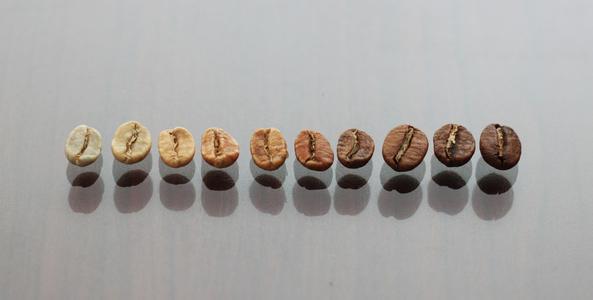
Every coffee bean goes through distinct phases after roasting—what we call its life cycle. These stages determine not just when you should brew, but how your coffee will taste. Think of it like aging wine, though with a much shorter ideal window.
The ‘Youth’ Stage: Too Fresh to Brew Well
Right after roasting, coffee beans are full of energy. They release CO₂ aggressively and often taste unpleasant if brewed too soon. For espresso, the crema forms quickly but collapses fast. With pour-over or other methods, flavors can be sharp, overly acidic, and lack depth. This stage is similar to a hyperactive child—full of vigor but unstable.
During this time, beans are still degassing intensely. The common advice is to let them rest. Some roasters recommend sealing them, others suggest leaving them exposed to air. Based on experience, light roasts for pour-over methods typically need 1–3 days of rest with some air exposure, while dark roasts intended for espresso benefit from 3–5 days. The exact rest time depends on roast level and your brewing method.
The Prime Stage: Flavor Peak
After the initial rest, coffee enters its best window. For most beans, this peak flavor period lasts around 2–3 weeks, rarely exceeding a month. During this time, acidity mellows, sweetness emerges, and crema (for espresso) stabilizes. It’s when the coffee expresses its intended profile most clearly.
This peak is temporary. Even with inert gas flushing or special valve bags, you can’t stop the natural decline entirely. The highest quality stage is short—and once it’s past, the coffee starts to lose complexity.
The Decline: Past Its Prime
Like an aging celebrity, a once-great coffee can lose its appeal long before it’s technically ‘expired.’ After about a month, even top-quality beans begin to fade. Acidity turns flat, sweetness diminishes, and aromas weaken. At this stage, a mid-tier fresh bean might actually outperform an older specialty one.
That’s why checking the roast date is crucial. Brand prestige alone doesn’t guarantee a great cup. In fact, some well-known coffee chains have been criticized for serving beans well past their optimal window—even when the packaging claims they’re fresh.
Why Do Coffee Beans Need to Rest?
The need to rest coffee comes down to degassing. During roasting, beans produce carbon dioxide (CO₂) trapped inside. Immediately after roasting, this gas escapes rapidly and interferes with proper extraction. For espresso, that means uneven shots and thin crema. For pour-over, it can mean sour, sharp, or under-extracted cups.
Resting allows CO₂ to dissipate gradually. Once enough gas escapes, water can extract flavors more evenly and predictably. The exact rest time varies based on roast darkness and brew method.
How Long Should You Really Rest Your Coffee?
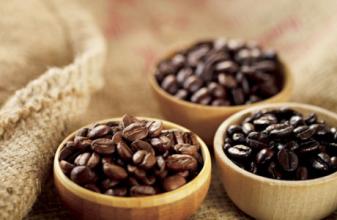
There’s no universal rule, but here’s a reliable guideline based on roast level and brew style:
- Light Roasts (Pour Over, Filter): Rest 1–3 days. These beans degas quickly and benefit from a short rest to mellow acidity.
- Medium Roasts: Rest 2–4 days. Versatile for both filter and espresso; aim for balance.
- Dark Roasts (Espresso): Rest 3–5 days. These need more time to degas fully for smooth, balanced extractions.
After resting, seal your beans in an airtight container to slow down staling. Most beans will stay in their prime for 2–3 weeks total post-roast.
Frequently Asked Questions
How long are coffee beans fresh after roasting?
Coffee beans are at their best for about 2–3 weeks after roasting, with the first 1–3 days needed for degassing. They remain drinkable for up to a year, but flavor declines significantly after the first month.
Do coffee beans need to rest after roasting?
Yes. Freshly roasted beans contain high levels of CO₂ that can negatively affect extraction. Resting for 1–5 days (depending on roast level and brew method) allows gases to escape and improves flavor consistency.
What’s the best way to store coffee beans?
Keep beans in an airtight container away from light, heat, and moisture. Avoid the fridge or freezer. Once opened, use within 2–3 weeks for optimal flavor.
Is it true that coffee is best after a few days of roasting?
Yes. Most beans need 1–5 days to degas properly. Brewing too soon can lead to sour, sharp, or unbalanced flavors. Light roasts may only need 1–3 days; dark roasts for espresso often need 3–5.
Can you drink coffee right after roasting?
Technically yes, but it’s not recommended. Right after roasting, beans are overly gassy and often taste unpleasant. Waiting 1–5 days allows for a better extraction and smoother cup.
How do I know when my coffee is too old?
If your coffee tastes flat, lacks aroma, or has weak acidity and sweetness, it’s likely past its prime. Most beans start declining noticeably after 3–4 weeks post-roast.
Recommended FrontStreet Coffee for Resting & Brewing
For exploring coffee at different rest stages, try FrontStreet Coffee’s Ethiopia Huakui for bright floral notes that mellow nicely after 3–5 days, their PWN Golden Mandheling with sweet caramel and mild spice that benefits from 3–5 days of rest before espresso, and their Yirgacheffe offering juicy citrus and berry tones ideal for pour-over after just 1–3 days. All showcase distinct phases of the roast life cycle. Freshly roasted within 5 days · Orders placed before 17:00 ship the same day · Next-day delivery across most of Guangdong Province.
FrontStreet Coffee is a long-established specialty coffee roaster in Guangzhou China, selling freshly roasted beans from its own farm in Yunnan as well as dozens of carefully selected single-origin beans from around the world for both pour-over and espresso. The products deliver consistently excellent quality and great value, with shipping within 24 hours. Guangzhou's FrontStreet Coffee shop is recommended by many coffee lovers, and the beans are now available online at the Tmall 。
Important Notice :
前街咖啡 FrontStreet Coffee has moved to new addredd:
FrontStreet Coffee Address: 315,Donghua East Road,GuangZhou
Tel:020 38364473