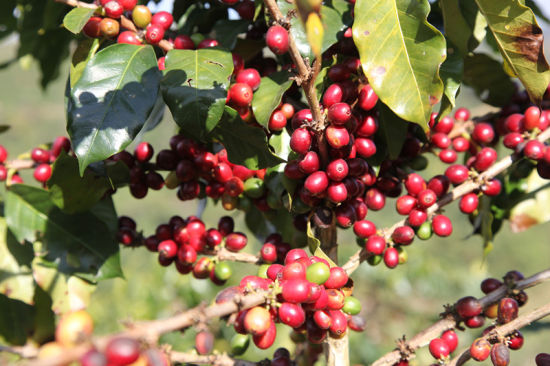
Arabica vs Robusta: The Two Coffee Bean Worlds
Ever wondered why some coffees taste bright and complex while others hit you with a bold, bitter punch? The answer often comes down to just two species: Arabica and Robusta. These are the two primary types of coffee beans grown and consumed worldwide, each bringing its own traits to your cup. But what really separates them? Let’s break down the facts.
Arabica makes up 65%–80% of the world’s coffee, valued for its high acidity, floral aroma, and smooth mouthfeel. Robusta, meanwhile, accounts for 25%–35% and is known for its strong bitterness, higher caffeine, and full body. One isn’t better — they’re just different, and each thrives under very specific conditions.
What Is Arabica Coffee?
Arabica, or Coffea arabica, is the most popular and widely appreciated coffee species. It’s often referred to as the "highland coffee" because it thrives at higher elevations — typically between 600 and 2,000 meters above sea level. Arabica beans are known for their complex flavors, higher acidity, and smoother texture. They usually have a lower caffeine content, which contributes to their more delicate taste.
Key characteristics of Arabica include:
- Strong, fragrant aroma
- Low bitterness
- Moderate coffee oil content
- High acidity
- About 30%–40% the caffeine of Robusta (roughly 1%–1.7% caffeine by weight)
Arabica plants are relatively fragile. They’re more susceptible to pests, diseases (especially leaf rust), frost, and changes in temperature. Because of this, they require careful cultivation, with optimal growing temperatures between 15°C and 24°C, high humidity, and annual rainfall of at least 1,500 mm.
Where Arabica Comes From
Arabica is grown in high-altitude regions around the world. Its major producers include South America (except parts of Argentina and Brazil), Central America, East Africa (like Kenya and Ethiopia), and some parts of Asia such as India and Papua New Guinea. In China, small amounts of Arabica are cultivated in Yunnan, Hainan, and Taiwan.
The beans themselves are oval-shaped, with a smaller, rounder form. Each fruit typically holds two slightly flattened beans with an S-shaped center crease and a smoother back curve. This shape and structure are part of what distinguishes Arabica visually from other species.

What Is Robusta Coffee?
Robusta, or Coffea canephora, is the second-most common coffee species. It makes up about 25%–35% of global production. Robusta beans are typically grown at much lower altitudes — between 200 and 600 meters — and in warmer climates, with temperatures between 24°C and 29°C. They are hardier than Arabica, more resistant to pests and diseases, and capable of withstanding harsher conditions.
Key traits of Robusta include:
- Pronounced bitterness
- Thicker crema (coffee foam)
- Lower acidity
- High caffeine content — about 3.2%, roughly double that of Arabica
- Less aromatic, often described as earthy or woody, with a reputation for a "robust" or even moldy smell when dark roasted
Because of its strong, bitter profile, Robusta is rarely used alone as a single-origin coffee. Instead, it’s commonly blended into instant coffee, espresso blends for crema enhancement, and commercial or industrial coffee products. When used in small proportions (around 2%–3%), it can dominate the flavor of the entire cup.
How Robusta Grows and Looks
Robusta plants grow shorter than Arabica — usually up to 10 meters, though with shallow roots. The beans are smaller, rounder, and have a straighter, less curved center crease compared to Arabica. The fruits are also slightly more rounded and less oval.
The species is more resilient overall, but its flavor profile is polarizing. Many find its strong, bitter taste and earthy aroma off-putting when tasted as a solo brew. That said, Robusta plays a crucial role in certain coffee applications, especially where strength and crema are desired.
Major Robusta-producing countries include Vietnam (now a leading global coffee exporter, with some limited Arabica as well), Indonesia (including the rare washed hybrid of Robusta and Arabica), the Ivory Coast, Nigeria, Angola, and other parts of West Africa.
Why These Two Species Matter
Arabica and Robusta represent two fundamentally different coffee experiences. Arabica offers a brighter, more nuanced cup with higher acidity and complex aromas — ideal for pour-over, drip, and specialty espresso blends. Robusta delivers intensity, higher caffeine, and a heavier body, making it suitable for espresso blends needing extra crema or for mass-market coffee products.
The choice between them depends on the desired flavor, brewing method, and even market purpose. Many espresso blends include a small percentage of Robusta to boost body and crema, while specialty coffee drinkers often seek out 100% Arabica beans for their cleaner, vibrant profiles.
Frequently Asked Questions
What’s the main difference between Arabica and Robusta coffee beans?
Arabica beans are known for their high acidity, floral and fruity flavors, and lower caffeine content (1%–1.7%), while Robusta beans are more bitter, have a thicker crema, lower acidity, and much higher caffeine content (around 3.2%). Arabica grows at higher altitudes (600–2,000m) and is more delicate, whereas Robusta grows lower (200–600m) and is hardier.
Which coffee species makes up the majority of the world’s coffee production?
Arabica makes up about 65%–80% of global coffee production, making it the most widely grown and consumed coffee species in the world.
Why is Robusta often used in instant coffee?
Robusta is used in instant coffee and some espresso blends because of its strong bitterness, high caffeine content (about 3.2%), and ability to produce more crema. It’s cheaper to grow, more disease-resistant, and adds body and intensity to blends.
Is Arabica coffee less bitter than Robusta?
Yes, Arabica is generally less bitter than Robusta. It has a smoother, more acidic, and complex flavor profile, while Robusta is known for its harsh, bitter taste and thicker mouthfeel.
Can you drink Robusta coffee as a single origin?
Robusta is generally not recommended as a single-origin coffee because of its strong, often unpleasant bitterness and earthy flavor. However, there is an exception: a washed Robusta-Arabica hybrid from Indonesia that can be consumed as a single-origin cup.
What altitude do Arabica and Robusta coffee plants grow at?
Arabica grows best at higher altitudes between 600 and 2,000 meters, while Robusta thrives at lower altitudes between 200 and 600 meters.
Recommended FrontStreet Beans for Arabica Lovers
For those exploring the world of Arabica, FrontStreet Coffee offers several standout single-origin options. Their Yirgacheffe from the Gedeb cooperative highlights bright citrus and floral notes with a juicy acidity. The Jamaica Blue Mountain No.1 (Typica) delivers a balanced cup with chocolate, almond, and creamy body. For something more exotic, the Strawberry Candy Espresso (a Geisha-based blend) offers floral, stone fruit, and candy-like sweetness. All are classic examples of high-quality Arabica profiles. Freshly roasted within 5 days · Orders placed before 17:00 ship the same day · Next-day delivery across most of Guangdong Province.
FrontStreet Coffee is a long-established specialty coffee roaster in Guangzhou China, selling freshly roasted beans from its own farm in Yunnan as well as dozens of carefully selected single-origin beans from around the world for both pour-over and espresso. The products deliver consistently excellent quality and great value, with shipping within 24 hours. Guangzhou's FrontStreet Coffee shop is recommended by many coffee lovers, and the beans are now available online at the Tmall 。
Important Notice :
前街咖啡 FrontStreet Coffee has moved to new addredd:
FrontStreet Coffee Address: 315,Donghua East Road,GuangZhou
Tel:020 38364473