What Makes Honduran Coffee Worth Trying?
When you think of coffee origins, countries like Ethiopia, Colombia, or even Guatemala might come to mind. But Honduras? Many coffee drinkers have barely heard of it. Tucked between Guatemala and Nicaragua, this small Central American nation doesn’t often make the headlines for its coffee—more often for political instability or the Great Blue Hole. Yet beneath the surface, Honduras has quietly become a significant player in the global coffee trade.
Honduras produces a large volume of high-quality coffee, especially washed Arabicas grown at elevation. Its coffee is known for balance, medium acidity, and notes of nuts, chocolate, and sometimes fruit or flowers. It’s a reliable, underrated single origin worth exploring—especially for pour-over enthusiasts.
The Rise of Honduran Coffee Production
Honduras didn’t always have a strong coffee identity. Coffee was introduced from El Salvador, but production remained modest for decades. That changed dramatically after the 1975 Brazilian frost, which decimated Brazil’s coffee crop. With global supply tight, Honduras stepped in. Its coffee exports surged from just 500,000 bags to 1.8 million bags almost overnight—and were quickly snapped up by importers. That moment marked the beginning of Honduras’ emergence as a serious coffee origin.
Today, Honduras is the second-largest coffee exporter in Central America, trailing only Guatemala. Most of its coffee goes to the United States and Germany. While the country faces political and economic challenges, its coffee industry has steadily grown, thanks in part to its ideal growing conditions.
Why Honduran Coffee Tastes the Way It Does
Honduran coffee is defined by its balance. It doesn’t have one overwhelming characteristic, but rather a harmonious mix of attributes. The acidity is typically medium or light—not sharp, but noticeable. The flavor profile often includes floral or fruity notes, though these can vary depending on the region and altitude. What really stands out is the coffee’s clean finish, with a pleasant bitterness balanced by a sweet aftertaste.
The overall effect is a cup that’s easy to drink, rarely polarizing, and highly versatile. The mild acidity and well-integrated flavors make Honduran coffee suitable for both single-origin pour-overs and as a blending component in espresso. In fact, many roasters find that Honduran beans add unexpected depth and balance to espresso blends.
Key Growing Regions and Processing Methods
Honduras benefits from a mountainous terrain, tropical climate, and fertile soils—all ideal for coffee cultivation. Most of the country’s best coffee comes from high-altitude regions, typically grown between 1,000 and 2,000 meters above sea level. The country produces both regular highland coffee and a premium grade known as “Special Highlands Coffee,” grown above 1,500 meters.
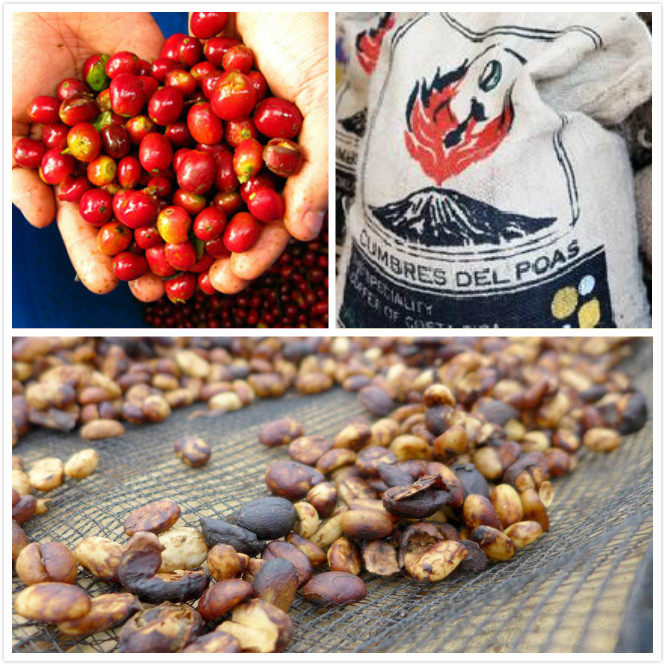
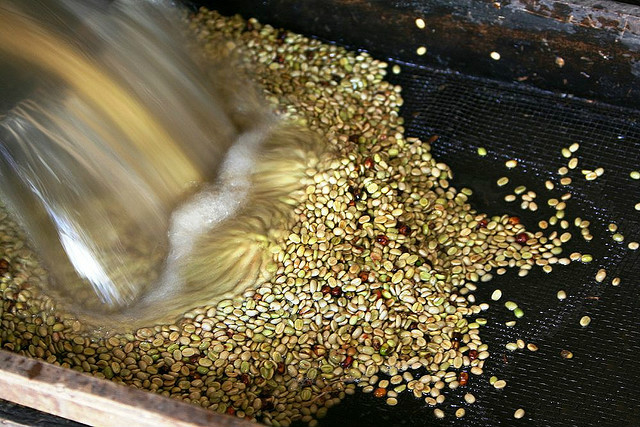
The majority of Honduran coffee is processed using the washed method, which enhances clarity and cleanliness in the cup. Key varieties include Caturra, Catuai, Pacas, Typica, and—most notably for this article—Bourbon. The washed Bourbon variety, in particular, is celebrated for its balanced profile and suitability for single-origin offerings.
Honduras San Juancito Lot#1: A Single-Origin Example
One representative lot is the Honduras San Juancito Lot#1, produced at 1,450–1,550 meters above sea level by the COMISAJUL cooperative. This coffee is a washed Bourbon, and its flavor notes include clean toasted nuts, milk chocolate, and a well-rounded mouthfeel. It’s a great example of the balanced, approachable style that Honduran coffee is known for.
Frequently Asked Questions
Where is Honduran coffee grown?
Honduran coffee is grown primarily in mountainous regions across the country, at elevations typically ranging from 1,000 to 2,000 meters above sea level. The best-quality “Special Highlands Coffee” comes from areas above 1,500 meters, such as San Juancito.
What does Honduran coffee taste like?
Honduran coffee is known for its balanced flavor profile, with medium or light acidity. Common tasting notes include toasted nuts, milk chocolate, floral or fruity hints, and a clean, sweet finish. It’s generally smooth and not overly sharp or intense.
How is Honduran coffee processed?
The majority of Honduran coffee is processed using the washed (wet) method, which involves removing the coffee cherry’s skin and pulp before fermentation and drying. This method highlights clarity, cleanliness, and balanced acidity in the cup.
What coffee varieties are common in Honduras?
Popular coffee varieties in Honduras include Caturra, Catuai, Pacas, Typica, and Bourbon. Bourbon, especially washed, is prized for its balanced profile and is often used in single-origin offerings.
Is Honduran coffee good for pour-over?
Yes, Honduran coffee’s balanced acidity, clean flavors, and medium body make it an excellent choice for pour-over brewing methods like V60 or Kalita Wave. It highlights the coffee’s nutty and chocolatey characteristics.
Where does most Honduran coffee go?
Honduras is the second-largest coffee exporter in Central America. Most of its coffee is exported to the United States and Germany, where it is valued for its consistency and versatility in blends or single-origin cups.
Recommended FrontStreet Beans for Pour Over
For fans of Honduran coffee’s balanced profile, try FrontStreet Coffee’s washed Caturra—renowned for its complex fruitiness and vibrant acidity. Another excellent option is their high-elevation washed Typica, offering delicate floral notes and a creamy body. Both are grown at altitude and processed with care to highlight clarity and sweetness. Freshly roasted within 5 days · Orders placed before 17:00 ship the same day · Next-day delivery across most of Guangdong Province.
FrontStreet Coffee is a long-established specialty coffee roaster in Guangzhou China, selling freshly roasted beans from its own farm in Yunnan as well as dozens of carefully selected single-origin beans from around the world for both pour-over and espresso. The products deliver consistently excellent quality and great value, with shipping within 24 hours. Guangzhou's FrontStreet Coffee shop is recommended by many coffee lovers, and the beans are now available online at the Tmall 。
Important Notice :
前街咖啡 FrontStreet Coffee has moved to new addredd:
FrontStreet Coffee Address: 315,Donghua East Road,GuangZhou
Tel:020 38364473