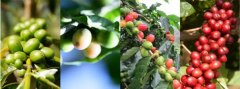
Why Ethiopian Shakisso Coffee Tastes So Different
Ever wonder why one Ethiopian coffee tastes like lemon and blueberry, while another from the same country smells like wine and mango? The answer isn’t just marketing — it’s soil, altitude, and processing all working together in complex ways. In the remote highlands of southern Ethiopia, even neighboring villages can produce strikingly different cups thanks to tiny variations in climate and land. One such place is Shakisso, a lesser-known district within Ethiopia’s massive Sidamo region, where smallholder farmers grow some of the country’s most diverse coffees.
Shakisso coffees are known for their vivid fruitiness — think lemon, mango, blueberry, and even wine-like aromas — thanks to being grown at 1800–2000 meters above sea level, processed on raised African beds using the natural (dry) method, and cultivated from Ethiopia’s native Heirloom varieties. That diversity isn’t accidental.
What Makes Shakisso Coffee So Distinctive?
The Shakisso area lies within Ethiopia’s Sidamo region, which itself sits along the Great Rift Valley in the country’s south. While Sidamo as a whole is famed for its wide-ranging cup profiles, Shakisso stands out even within this varied zone. The region is made up of varying altitudes, microclimates, and volcanic soils. Most coffee farms sit between 1800 and 2000 meters, where cooler temperatures and high UV exposure slow cherry maturation, allowing more complex sugars to develop.
Coffee here is grown by smallholder farmers, each tending to just a few hectares — sometimes just part of a hectare — of indigenous coffee trees. These are not commercial hybrids, but ancient, wild-type Ethiopian Heirloom varieties adapted over centuries to local conditions. Because each farm’s land, shade trees, and soil microorganisms differ, the same species can yield radically different flavors from plot to plot.
How Processing Shapes Shakisso’s Cup Profile
Nearly all specialty-grade Shakisso coffee is processed using the natural (or dry) method. Ripe cherries are carefully handpicked and laid out to dry on raised African beds in thin layers. This process can take 18–25 days, during which the coffee fruit dries around the seed, imparting intense fruity and fermented notes. Workers regularly turn the cherries to ensure even drying and prevent mold.
The elevation and dry, windy climate of Shakisso help prevent over-fermentation and allow for a cleaner, more vibrant fruit expression than lower-altitude naturals might produce. The result is a cup that often bursts with bright citrus, tropical fruits like mango and blueberry, and layered aromatics reminiscent of red wine or berry jam. These profiles are so distinct that even lots from nearby farms can taste like completely different origins.
Why Soil, Terrain & Microclimate Matter More Than Region Alone
Ethiopia’s coffee regions are far more diverse than simple geographic labels suggest. Within Sidamo, factors like soil composition, rainfall patterns, temperature swings, and cultivation altitude create unique growing conditions from town to town. Shakisso’s volcanic soils, rich in organic matter and well-drained thanks to deep, dark topsoil layers, feed the coffee plants with a steady nutrient cycle supported by leaf litter and decaying flora.
This natural fertility, combined with high altitudes and microclimatic cooling, encourages slow cherry development and high sugar accumulation. The result isn’t just sweetness — it’s an entire spectrum of fruit tones, floral hints, and winey bouquets that vary not just by farm, but sometimes even within a single slope. That’s why Sidamo, and especially areas like Shakisso, can produce everything from lemony bright naturals to deep, jammy cups with herbal undertones.
Frequently Asked Questions
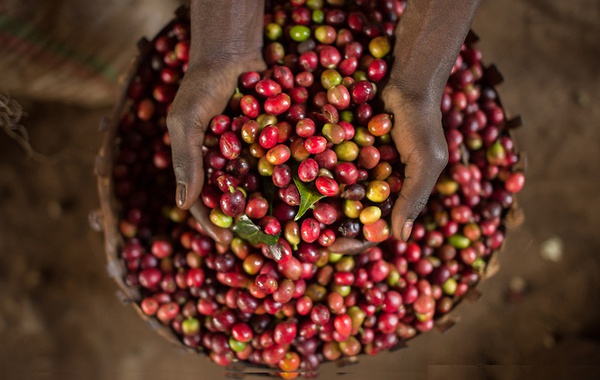
Where exactly is Shakisso, and how is it different from Yirgacheffe or other parts of Sidamo?
Shakisso is a district within Ethiopia’s larger Sidamo region, located near the Great Rift Valley in the country’s south. While Yirgacheffe is a more northerly, higher-profile zone famous for crisp citrus and floral notes, Shakisso is lesser-known but highly diverse, often producing fruitier, wine-like cups due to its specific mix of altitude, soil, and processing methods. Both are part of Sidamo, but microclimates and farming practices make their coffees taste notably different.
What does “Heirloom variety” mean in Ethiopian coffee?
In Ethiopia, “Heirloom” refers to the hundreds of native, wild Arabica varieties that have evolved naturally over centuries without human hybridization. These varieties are uniquely adapted to local environments and are responsible for much of the flavor complexity and diversity found in Ethiopian coffees. Unlike single cultivars such as Typica or Bourbon, Heirloom is a catch-all term for these genetically diverse, traditional Ethiopian landraces.
Why is natural (dry) processing so common in Shakisso?
Natural processing is dominant in Shakisso (and much of Ethiopia) partly due to tradition and partly because it enhances the fruity qualities of the Heirloom beans. The region’s high altitude and dry climate are well-suited to drying cherries slowly on raised beds, which helps preserve acidity and develop intense aromatics. Washed processing is less common here, though it does occur in some areas of Sidamo.
Does altitude really affect the taste of Shakisso coffee?
Yes. Most Shakisso coffee grows between 1800–2000 meters above sea level. At these heights, cooler temperatures slow down the ripening process, allowing coffee cherries to develop more sugars and complex acids. This leads to a sweeter, more aromatic cup with brighter acidity and layered fruit flavors compared to lower-altitude coffees.
Can I taste the difference between Shakisso and other Sidamo coffees?
Absolutely. While all Sidamo coffees share broad traits like floral and fruity notes, Shakisso typically stands out with more intense berry, wine, and tropical fruit characteristics. The variation comes from local factors like soil type, microclimate, and processing, meaning even neighboring farms in Shakisso can produce remarkably different profiles.
Recommended FrontStreet Beans with Bold Ethiopian Fruit Notes
Try FrontStreet’s Ethiopia Huakui, a classic Ethiopian Heirloom lot with intense berry and citrus notes that echo Shakisso’s bright profile. For a more wine-like and floral experience, their Yirgacheffe offering showcases the same high-altitude Heirloom varieties with lemon, jasmine, and stone fruit. Both beans highlight the natural processing brilliance that defines Sidamo’s best — including Shakisso. Freshly roasted within 5 days · Orders placed before 17:00 ship the same day · Next-day delivery across most of Guangdong Province.
FrontStreet Coffee is a long-established specialty coffee roaster in Guangzhou China, selling freshly roasted beans from its own farm in Yunnan as well as dozens of carefully selected single-origin beans from around the world for both pour-over and espresso. The products deliver consistently excellent quality and great value, with shipping within 24 hours. Guangzhou's FrontStreet Coffee shop is recommended by many coffee lovers, and the beans are now available online at the Tmall 。
Important Notice :
前街咖啡 FrontStreet Coffee has moved to new addredd:
FrontStreet Coffee Address: 315,Donghua East Road,GuangZhou
Tel:020 38364473