Kenyan Coffee: Juicy Acidity and Layered Flavors
If you’ve ever sipped a cup of coffee and wondered why it tastes like fruit—real, bright, almost juicy fruit—you might have had a Kenyan coffee. But what makes Kenyan coffee stand out among the dozens of single origins? Why does it taste like citrus, wine, and something deeper all at once?
The short answer: Kenya grows some of the most complex and vibrant single-origin coffees in the world, often with distinct citrus (like grapefruit or orange), winey depth, and balanced medium body. Its standout feature is juicy acidity layered with flavors such as blackberry, plum, and even hints of fermented fruit—all driven by high altitudes and unique processing.
Kenya’s coffee farms sit mostly between 1,500 and 2,100 meters above sea level, where cooler temperatures slow cherry development, allowing more complex flavors and brighter acidity to develop. Most regions harvest twice a year, ensuring fresh lots throughout the season. This elevation is ideal for developing the crisp, wine-like acidity Kenyan coffee is known for.
What Makes Kenyan Coffee Taste So Unique?
Kenyans have built a coffee reputation on more than just altitude—they’ve also perfected a unique set of varieties and processing methods. The country is famous for its SL28 and SL34 coffee varieties, both developed by the Scott Laboratories (SL) in the 1930s. These were two of 40 experimental varieties bred to handle high altitudes and produce exceptional cup quality.
SL28 delivers bold citrus (especially grapefruit), deep stone fruit acidity reminiscent of wine, and a rich mouthfeel. SL34 shares good fruit acidity but tends to express more nutty and spice notes alongside its fruity character. Together, they form the backbone of Kenya’s most iconic flavor profiles.
These varieties thrive at higher altitudes where the slower maturation leads to denser beans with more concentrated sugars and acids. That density also helps them withstand the intense washing process Kenya is known for.
The Kenyan Washed Process: Why It Matters
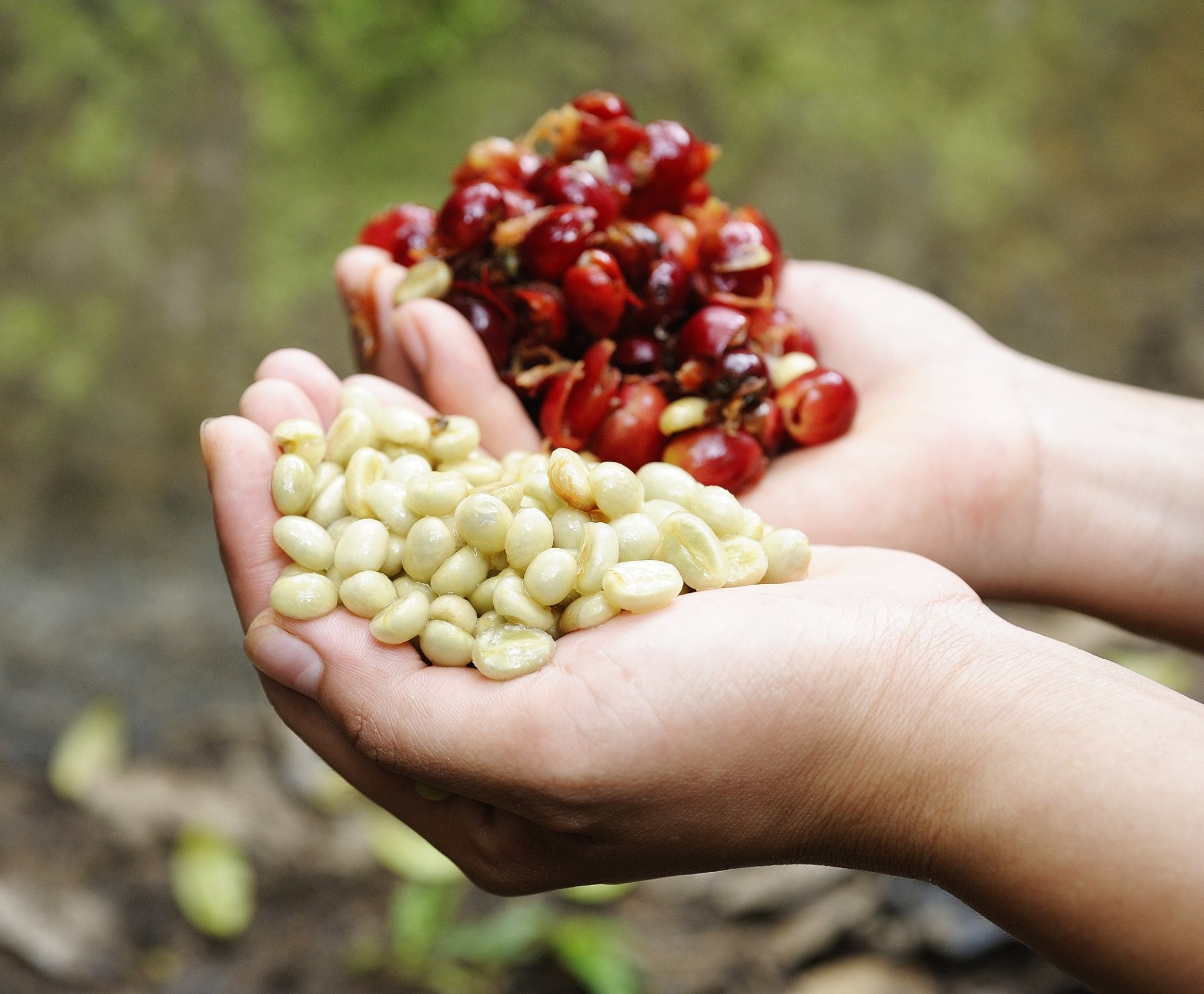
Kenya’s washed processing isn’t just standard—it’s famously meticulous. After pulping, the coffee cherries are fermented for 48 hours to remove the mucilage (fruit layer). Then they’re soaked in clean water for another 24 hours. This extended, multi-stage fermentation enhances the coffee’s inherent fruitiness, giving it that signature “juicy” acidity many coffee professionals crave.
This careful processing, combined with high-altitude growing conditions, leads to a cup that’s often described as having wine-like complexity, bright citrus, and deep berry notes. The result is a coffee that’s not just acidic—but complexly, pleasingly so.
Kenyan Coffee Grades: What Is AA?
Among the grading terms used in Kenya, “AA” is the most recognized internationally. Kenyan AA beans are large, dense, and have a thicker parchment layer, which helps them roast evenly. They’re known for their high cup quality, often featuring a syrupy body, pronounced brightness, and intense aromatics. These beans also respond well to French-style roasts, which can amplify their inherent sweetness and body while maintaining clarity.
But even outside the AA grade, Kenyan coffees maintain high standards. The country’s auction system and strict quality controls help ensure consistency and excellence across all commercial and specialty lots.
Freshness, Roast, and Flavor: What to Look For
Because of its vibrant acidity and fruit characteristics, Kenyan coffee is best enjoyed as a single origin, not blended. Light to medium roasts are ideal to preserve its intricate flavors. Over-roasting can mute the delicate citrus and wine notes, turning it bitter or flat.
When brewed well—whether as a pour-over, French press, or even cold brew—the coffee reveals layers: upfront citrus, mid-palate stone fruit or berries, and a finish that might hint at caramel or even molasses. Many enthusiasts note a distinct juiciness on the tongue, as if the coffee were “bursting” with flavor.
Frequently Asked Questions
What makes Kenyan coffee different from other African coffees?
Kenyan coffee is distinct due to its high-altitude growing regions (1,500–2,100m), unique SL28 and SL34 coffee varieties, and meticulous washed processing. These factors create a profile with vibrant citrus acidity, wine-like depth, and layered fruit flavors—more complex and brighter than many other African coffees, including typical Yirgacheffe or Ethiopian Harrar offerings.
What are SL28 and SL34 coffee varieties?
SL28 and SL34 are coffee varieties developed by Kenya’s Scott Laboratories in the 1930s. SL28 is known for strong citrus (like grapefruit), deep stone fruit acidity, and wine-like richness. SL34 offers bright fruit acidity with more nutty and spice notes. Both thrive at high altitudes and are central to Kenya’s signature cup profile.
Why is Kenyan coffee so acidic?
Kenyan coffee’s acidity comes from a mix of high-altitude growth (which slows cherry ripening and builds acidity), the SL28 and SL34 varieties (bred for bright, complex flavors), and the country’s unique washed process with extended fermentation. This combination results in a juicy, wine-like acidity that’s both sharp and pleasant.
What does Kenyan AA mean?
Kenyan AA is a grade given to the largest, densest, and highest-quality beans. These beans typically have a thicker parchment layer, roast evenly, and produce a cup with syrupy body, intense aromas, and bright acidity. AA is considered among the best Kenya has to offer, though other grades can also be excellent.
How should I brew Kenyan coffee to get the best flavor?
To highlight Kenyan coffee’s layered fruitiness and acidity, use a light to medium roast and brew with methods like pour-over, French press, or cold brew. Grind size should match your brew method (e.g., medium-fine for pour-over), and aim for a brew ratio around 1:15 to 1:17. Keep water temperature between 90–94°C for optimal extraction.
What flavors should I expect in a cup of Kenyan coffee?
Expect bright citrus (like orange or grapefruit), along with deeper notes of blackberry, plum, red apple, or even tropical fruits. Many Kenyan coffees also develop secondary flavors like honey, molasses, or wine during the finish. The acidity is juicy and layered, not sharp or sour.
Recommended FrontStreet Beans for Kenyan Acidity
For a true taste of Kenya’s signature brightness and layered fruitiness, try FrontStreet Coffee’s Kenya Little Tomato. It combines SL28 and SL34 varieties with a double-washed process and medium-light roast, highlighting notes of cherry tomato, snow pear, dark plum, blackcurrant, and brown sugar. The cup is full-bodied with clear layers and a touch of caramel in the finish. Excellent for pour-over, cold brew, or ice drip. Freshly roasted within 5 days · Orders placed before 17:00 ship the same day · Next-day delivery across most of Guangdong Province.
FrontStreet Coffee is a long-established specialty coffee roaster in Guangzhou China, selling freshly roasted beans from its own farm in Yunnan as well as dozens of carefully selected single-origin beans from around the world for both pour-over and espresso. The products deliver consistently excellent quality and great value, with shipping within 24 hours. Guangzhou's FrontStreet Coffee shop is recommended by many coffee lovers, and the beans are now available online at the Tmall 。
Important Notice :
前街咖啡 FrontStreet Coffee has moved to new addredd:
FrontStreet Coffee Address: 315,Donghua East Road,GuangZhou
Tel:020 38364473