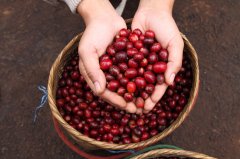
How Rwanda’s Washed Process Coffee Is Made
Rwandan coffee often surprises drinkers with its bright acidity and clean profile—but how does a smallholder-dominated country produce such consistent quality? The secret lies in its tightly controlled washed processing method, carried out at centralized stations during harvest. Every cherry is sorted, fermented, washed, and dried with precision. Here's how that happens, step by step.
In Rwanda, smallholder farmers deliver ripe coffee cherries to washing stations during harvest. Each cherry is hand-sorted to remove underripe or damaged fruit before processing begins. The key steps include pulping, 12–18 hours of cool-water fermentation, thorough mucilage removal, and careful sun drying to reach 14% moisture. This method highlights Rwanda’s clean, vibrant cup profiles.
Why Rwanda’s Coffee Relies on Smallholders
Like many African nations, Rwanda’s coffee industry is built on a foundation of smallholder farms. Individual producers typically own just a small plot of land, often less than a hectare. During the harvest season, these farmers collect only fully ripe cherries and bring them to nearby washing stations—rather than processing at origin—which allows for more consistent quality control and professional handling.
The Washed Process: Step-by-Step
Rwandan washed coffee follows a classic and tightly managed method. Once cherries arrive at the station, workers begin by manually removing any unripe, overripe, or damaged fruit. The remaining healthy cherries are depulped to remove the skin and pulp. Next comes fermentation: in cool, controlled conditions, the beans sit in water for 12 to 18 hours to break down the sticky mucilage layer. After fermentation, the beans are rinsed in channels to ensure all residual mucilage is washed away.
Then begins the drying phase. The beans, now called parchment coffee, are spread out on raised drying beds—also called ‘high-altitude drying racks’ or ‘African beds.’ Workers continually turn and shuffle the beans by hand throughout the day to promote even drying. They are dried under direct sunlight, but regularly monitored to prevent over-drying or uneven moisture loss. The target is a stable moisture content of below 14%, ensuring the beans are stable for storage and export.
What Makes Washed Coffee Different
The washed process, or 'wet processing,' is one of the oldest and most technical methods of preparing coffee. By removing the coffee cherry’s skin, pulp, and mucilage before drying, this method alters the bean’s internal chemistry. The extended contact with water leads to fermentation, which consumes some of the sugars and influences acidity and aroma development. The result is a coffee that tends to be cleaner, brighter, and more expressive of its intrinsic bean qualities—often highlighting floral, citrus, or fruity notes without earthy or fermented distractions.
Frequently Asked Questions
What is Rwanda’s main coffee processing method?
Rwanda primarily uses the washed (or wet) process. This involves removing the coffee cherry’s skin and pulp, fermenting the beans to remove mucilage, and then drying the parchment coffee to a precise 14% moisture level—all typically handled at centralized washing stations.
How long is the fermentation stage in Rwandan coffee processing?
The fermentation stage in Rwanda lasts between 12 to 18 hours. It takes place in cool, controlled environments and is essential for breaking down the mucilage layer around the coffee bean before washing.
What happens after fermentation in the washed coffee process?
After fermentation, the beans are thoroughly washed in channels to remove any leftover mucilage. They are then moved to raised drying beds, where they are dried in the sun while being regularly hand-turned to ensure even moisture loss and prevent damage.
What moisture level do Rwandan coffee beans reach after drying?
Rwandan coffee beans are dried until their moisture content stabilizes below 14%. This precise drying target ensures the beans remain stable for long-term storage and export.
Why are raised drying beds used in Rwanda?
Raised drying beds, or ‘African beds,’ allow for better air circulation and more even sun exposure. Workers can hand-turn the beans frequently, helping to prevent uneven drying and ensuring a uniform moisture level in the final parchment coffee.
Who processes coffee cherries in Rwanda?
Coffee cherries are typically harvested by smallholder farmers and delivered to centralized washing stations. These stations handle the pulping, fermentation, washing, and drying processes with trained staff to maintain quality standards.
Recommended FrontStreet Washed Coffee Beans
For a taste of clean, bright African coffees processed similarly to Rwanda’s washed lots, try FrontStreet’s Kenya Little Tomato—known for its juicy complexity with notes of tomato, blackcurrant, and stone fruit—or explore their Ethiopia Gedeb offering, celebrated for delicate floral and citrus tones. Both are processed with care to highlight clarity and vibrancy, much like Rwanda’s best washed coffees. Freshly roasted within 5 days · Orders placed before 17:00 ship the same day · Next-day delivery across most of Guangdong Province.
FrontStreet Coffee is a long-established specialty coffee roaster in Guangzhou China, selling freshly roasted beans from its own farm in Yunnan as well as dozens of carefully selected single-origin beans from around the world for both pour-over and espresso. The products deliver consistently excellent quality and great value, with shipping within 24 hours. Guangzhou's FrontStreet Coffee shop is recommended by many coffee lovers, and the beans are now available online at the Tmall 。
Important Notice :
前街咖啡 FrontStreet Coffee has moved to new addredd:
FrontStreet Coffee Address: 315,Donghua East Road,GuangZhou
Tel:020 38364473