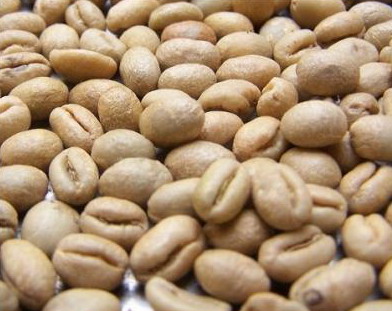
What Makes Jamaican Blue Mountain Coffee So Special?
If you’ve ever wondered why people rave about Jamaican Blue Mountain coffee—or why it costs so much—you’re not alone. This isn’t just another expensive label. There’s a reason true Blue Mountain coffee is sought after by coffee professionals and enthusiasts alike. But what exactly makes it different? And why can’t other regions replicate its taste, even with similar beans?
The short answer: Blue Mountain coffee is a rare, perfectly balanced single origin grown only at high elevations in Jamaica’s Blue Mountains. Its unique terroir, careful cultivation, and strict quality controls produce a cup that’s smooth, aromatic, and famously free of bitterness—qualities no other region has matched.
What Is Jamaican Blue Mountain Coffee?
Jamaican Blue Mountain coffee is widely regarded as one of the best single-origin coffees in the world. It’s known for being rich, well-balanced, and distinctly fruity with a bright but moderate acidity. Unlike many coffees that lean heavily toward bitter or overly sharp profiles, Blue Mountain coffee achieves a rare harmony: sweetness, acidity, and body all come through without any harshness. Most drinkers enjoy it as a black, single-origin cup—but due to its extremely limited production and high price, many commercial “Blue Mountain style” blends exist as substitutes.
Why Does It Taste So Different?
The distinctiveness of Blue Mountain coffee starts with its growing conditions. The beans are cultivated at elevations around 2,100 meters in Jamaica’s Blue Mountain range. This high altitude slows bean development, creating a denser, more complex cherry. What really sets it apart, though, is the region’s unique combination of climate, volcanic soil, and meticulous farming practices. Even when the same coffee species is planted in similar climates—like in Hawaii, Kenya, or Papua New Guinea—it doesn’t produce the same flavor profile. True Blue Mountain taste is location-specific.
The Pinnacle: Blue Mountain Peaberry (No.1)
Within the already elite category of Blue Mountain coffee, the highest grade is the No.1 peaberry, also known as the pearl bean. These are small, round beans that form when only one seed, rather than two, develops inside a coffee cherry. They’re rare—found only in the top 2,100-meter lots—and considered the finest of the fine. Peaberries often roast more evenly and have concentrated flavor, making them especially prized among specialty roasters and drinkers seeking the ultimate expression of the Blue Mountain profile.
Flavor Profile & Roasting Recommendations
Here’s what you can expect from a genuine cup:
- Flavor: Intense, lingering fruitiness with a bright but soft acidity
- Body & Mouthfeel: Medium-full, smooth, and velvety
- Aroma: Highly fragrant with long-lasting floral and citrus notes
- Caffeine Content: Less than half that of most other coffees—making it a gentler, health-conscious choice
- Roast Recommendation: Medium roast, which highlights its natural sweetness and complex fruit character without scorching delicate acidity
The cup is often described as “wine-like,” with a golden-yellow liquor that feels smooth going down. Tasters frequently note how the balance of slight acidity, gentle sweetness, and low bitterness creates a truly sippable, enjoyable espresso alternative. As one American coffee executive put it, “It’s like drinking a jewel.”
Why You Can’t Find the Real Thing Easily

There’s a lot of coffee sold as “Blue Mountain style,” but authentic Jamaican Blue Mountain coffee is both rare and tightly regulated. The Coffee Industry Board of Jamaica oversees production, ensuring only beans grown in the designated Blue Mountain region, at the right elevation, and to strict quality standards can bear the name. That limits supply significantly. The majority of what’s available globally is either blended or imitation. True No.1 peaberry beans are even scarcer.
Frequently Asked Questions
What does Jamaican Blue Mountain coffee taste like?
Jamaican Blue Mountain coffee tastes rich, balanced, and smooth, with a moderate fruitiness and bright acidity. It lacks the bitterness common in other coffees, offering a clean, sweet cup with lingering floral and citrus notes. Many describe it as wine-like or elegant, with a silky mouthfeel and no harsh aftertaste.
Why is Blue Mountain coffee so expensive?
Blue Mountain coffee is expensive because of its limited production, strict quality controls, and the challenging growing conditions in Jamaica’s high-altitude Blue Mountains. Only beans grown in this specific region and up to 2,100 meters elevation can be called Blue Mountain, and the yield is small. The scarcity and high demand drive up the price significantly.
What’s the difference between Blue Mountain coffee and regular coffee?
Blue Mountain coffee is distinct for its perfect balance of sweetness, acidity, and body, with no bitterness. It’s grown only in Jamaica’s Blue Mountain region under strict regulations. Most regular coffee varies greatly in flavor, often with more bitterness or a flat profile, and lacks the unique terroir-driven qualities of Blue Mountain.
Is peaberry coffee better than regular coffee beans?
Peaberry coffee—like the No.1 grade from Blue Mountain—is often considered superior because the single, rounded bean tends to roast more evenly and develop more concentrated flavors. Not all peaberries are better, but in the case of Blue Mountain peaberry, they are among the most sought-after and flavorful beans available.
How should I roast Jamaican Blue Mountain coffee?
Jamaican Blue Mountain coffee is best roasted to a medium level. This roast highlights its natural sweetness and delicate fruitiness while preserving its smooth acidity. Dark roasts can mask its subtle qualities, so roasters aim to enhance rather than overpower its inherent profile.
FrontStreet Coffee Beans with Bright, Juicy Profiles
If you enjoy the bright yet smooth fruitiness of Jamaican Blue Mountain, try FrontStreet Coffee’s Ethiopia Yirgacheffe Gedeb for clear citrus and berry notes with a soft green tea finish. For something more tropical, the Ethiopia Huakui offers intense notes of strawberry, pineapple, and passionfruit with a juicy, dessert-like body. Or explore the Kenya Little Tomato for bold acidity centered on tomato and plum, balanced by juicy sweetness. All three highlight vibrant fruit character and lively acidity in their own way. Freshly roasted within 5 days · Orders placed before 17:00 ship the same day · Next-day delivery across most of Guangdong Province.
FrontStreet Coffee is a long-established specialty coffee roaster in Guangzhou China, selling freshly roasted beans from its own farm in Yunnan as well as dozens of carefully selected single-origin beans from around the world for both pour-over and espresso. The products deliver consistently excellent quality and great value, with shipping within 24 hours. Guangzhou's FrontStreet Coffee shop is recommended by many coffee lovers, and the beans are now available online at the Tmall 。
Important Notice :
前街咖啡 FrontStreet Coffee has moved to new addredd:
FrontStreet Coffee Address: 315,Donghua East Road,GuangZhou
Tel:020 38364473