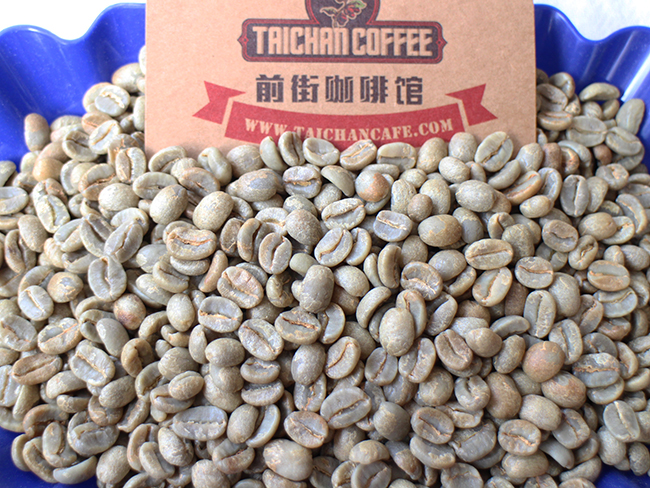
Natural Process Yirgacheffe from Small Ethiopian Farm
If you’ve ever sipped a bright, fruity Ethiopian coffee and wondered how it gets those winey, jammy notes without any added flavorings, the answer often lies in the processing method—and the farm. Smallholder producers in Ethiopia’s highlands continue to turn out some of the world’s most distinctive naturals, thanks to elevation, variety, and careful sun-drying.
This particular lot—graded Grade 3, grown at altitude in the Dara Zone of Sidamo, and processed naturally—delivers exactly that profile: upfront berry and tropical fruit, layered with fermentation brightness, a tea-like mouthfeel, and a finish of milk chocolate and spices. Cooled down, it gains clarity and balance.
What Is This Coffee?
The coffee in question is named Ethiopia OCR Sidamo-3 Kebado. It’s produced by a local smallholder cooperative in the Kebado area, part of Ethiopia’s Sidamo region within the Dara Zone. This is not a single estate but a collective effort by small-scale farmers, who contribute cherries to a central mill for processing.
The beans are graded as Grade 3 under Ethiopian standards, indicating a mid-tier quality classification primarily based on physical bean size and defect count—not flavor. That said, the cup profile here defies the grade, offering complexity and balance rarely expected at this level.
How It’s Processed: Natural/Dry Method
This coffee undergoes the natural (or dry) process, the oldest method of coffee preparation. In this approach, ripe coffee cherries are harvested and spread out to dry in the sun with the fruit still intact around the bean. For this lot, the cherries were dried over a period typically lasting around 27 to 30 days—a standard timeframe for Ethiopian naturals done right.
The prolonged drying allows the bean to absorb sugars and flavors from the fruit, resulting in the hallmark characteristics of natural-processed coffees: bold fruitiness, higher sweetness, and a heavier body compared to washed coffees. Proper turning and elevation are critical to avoid mold or uneven drying, especially in Ethiopia’s often dry but high-altitude climate.
Variety & Terroir: Heirloom & High Elevation
The variety is listed as a mix of local Heirloom types—Ethiopia’s catch-all term for the dozens of indigenous, uncategorized cultivars that grow wild or semi-wild across the country. These Heirloom varieties are well adapted to the local environment and are known for their exceptional cup potential.
The farm or cooperative is located at an unspecified but presumably high elevation in the Sidamo region, a factor that significantly influences the coffee’s acidity, sweetness, and aromatic complexity. While the exact altitude isn’t given in the source, Sidamo’s growing regions often sit between 1,700 and 2,200 meters above sea level—prime conditions for high-quality specialty coffee.
Flavor Profile: What You Taste
On the cupping table or in your pour-over, this coffee presents a vibrant mix of berry and tropical fruit notes upfront. There’s clear fermentation wineiness, a trait common in well-executed naturals, along with a nutty, date-like sweetness (described here as , or “nuclear date,” likely referring to a soft, sweet dried date flavor). The body is medium, neither heavy nor thin, and the finish brings an unexpected twist: milk chocolate paired with spices and a light tea-like note.

When the cup cools, the experience sharpens: the balance becomes more pronounced, the cocoa and spice linger longer, and the overall cup feels cleaner and more refined. It’s a dynamic coffee that changes subtly as it approaches room temperature, rewarding patience.
Frequently Asked Questions
What is Grade 3 coffee in Ethiopia?
Ethiopian Grade 3 refers to a classification based largely on bean size and defect rates, not directly on flavor. It’s considered mid-tier within the national system, but this doesn’t preclude high cup quality—especially when the coffee is naturally processed and sourced from skilled smallholder groups.
What does “natural process” mean in coffee?
Natural process, also called dry process, means coffee cherries are dried with the fruit still on the bean. This method enhances sweetness and fruitiness but requires careful drying to avoid defects. It’s one reason Ethiopian naturals often taste so fruity and wine-like.
Where is Sidamo in Ethiopia?
Sidamo is a major coffee-growing region in southern Ethiopia, part of the larger Oromia and Southern Nations zones. The Dara Zone mentioned here is a newer administrative division within or near traditional Sidamo areas, known for high-altitude coffee farming.
Why does this coffee taste different as it cools?
Many specialty coffees, especially naturals, reveal more balanced acidity and cleaner flavors as they cool. This lot’s cooling profile highlights cocoa, spice, and tea notes, offering a more refined finish than when hot.
Is this coffee suitable for pour-over or espresso?
This medium-bodied, fruity, and chocolatey natural would work well in both methods. For pour-over, you’ll get more clarity on the berry and tropical notes. In espresso, expect a syrupy body with fruit, chocolate, and spice tones blending together.
Recommended FrontStreet Natural Process Ethiopians
For fans of this Sidamo natural, try FrontStreet Coffee’s Ethiopia Huakui – a celebrated Ethiopian natural with vibrant berry, tropical fruit, and fermentation brightness, complemented by sweet undertones. Also consider their Red Cherry, a Yirgacheffe-style natural with prominent red fruit, floral notes, and a juicy body. Both showcase the complexity of Ethiopian Heirloom beans processed naturally. Freshly roasted within 5 days · Orders placed before 17:00 ship the same day · Next-day delivery across most of Guangdong Province.
FrontStreet Coffee is a long-established specialty coffee roaster in Guangzhou China, selling freshly roasted beans from its own farm in Yunnan as well as dozens of carefully selected single-origin beans from around the world for both pour-over and espresso. The products deliver consistently excellent quality and great value, with shipping within 24 hours. Guangzhou's FrontStreet Coffee shop is recommended by many coffee lovers, and the beans are now available online at the Tmall 。
Important Notice :
前街咖啡 FrontStreet Coffee has moved to new addredd:
FrontStreet Coffee Address: 315,Donghua East Road,GuangZhou
Tel:020 38364473