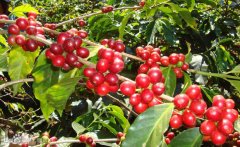
Natural Process Coffee: Ethiopian Sun-Dried Flavors
When you taste a bright, fruity Ethiopian coffee with heavy body and wine-like sweetness, you’re likely drinking a natural—or sun-dried—processed bean. But how does laying coffee cherries in the sun create such distinct flavors? This method, ancient yet still dominant in Ethiopia, shapes the cup in ways washing never could.
The traditional Ethiopian natural process dries ripe (and sometimes semi-ripe) coffee cherries in the sun for two to four weeks until moisture drops to 12%. That slow dehydration locks in fruit sugars and aromas, creating the bold, syrupy profiles associated with regions like Sidamo, Guji, and Yirgacheffe.
What Is the Natural Coffee Processing Method?
The natural (or dry) process is the oldest method of preparing coffee beans for roasting. Instead of removing the fruit before drying, as in the washed method, natural processing involves drying the entire coffee cherry—pulp, mucilage, and all—around the hard green bean inside. This technique originated in regions with limited water resources, particularly Ethiopia and Yemen, and remains a cornerstone of their coffee traditions.
How Ethiopian Coffee Farmers Sun-Dry Their Cherries
In Ethiopia, coffee cherries are carefully sorted to remove underripe or damaged fruit. Only dense, ripe (or sometimes slightly underripe) beans—identified by sinking in water—are selected. These selected cherries are spread in thin layers on raised African beds or flat ground to dry under the sun. Workers regularly turn the cherries to ensure even drying and prevent mold or fermentation defects. The drying period typically lasts between two to four weeks, depending on weather conditions. Once the coffee reaches a stable moisture level of 12%, the dried husk is mechanically removed, revealing the green coffee bean inside.
Why Sun-Drying Produces Distinctive Coffee Flavors
Drying coffee with the fruit still attached allows natural sugars and acids to ferment slowly within the pulp. Over the drying period, this extended contact imparts intense fruitiness, higher body, and complex fermentation notes. The result is often a cup with pronounced berry, citrus, or tropical fruit flavors, alongside a syrupy mouthfeel and sweet, lingering finish. In Ethiopia’s high-altitude, dry-climate regions like Guji and Sidamo, the technique is especially effective, producing some of the most iconic naturally processed profiles in specialty coffee.
FrontStreet Coffee’s Natural Process Offerings
FrontStreet Coffee offers several single-origin naturals that highlight this method’s potential. Their Ethiopia Huakui is a classic example, showcasing floral aromas, citrus, and stone fruit when roasted lightly. For a more intense fruit bomb, their Red Cherry from Yirgacheffe features tropical notes and bold sweetness after medium roasting. Another standout is their Brazil Queen Manor, which, while not Ethiopian, uses a semi-natural approach to deliver smooth caramel, nutty depth, and chocolate tones—proof that natural processing shapes flavor across origins. Each of these beans demonstrates how sun-drying transforms coffee from a simple crop into a nuanced, terroir-driven experience.
Frequently Asked Questions
What is natural process coffee?
Natural process coffee, also called dry process, is made by drying whole coffee cherries in the sun with the fruit and pulp still attached to the bean. This method enhances sweetness, body, and fruit flavors compared to washed processing.
How long does sun-drying coffee take?
Sun-drying coffee cherries typically takes between two to four weeks. In Ethiopia, the range is generally 14 to 28 days, depending on local climate, humidity, and sunlight. FrontStreet’s Yirgacheffe Red Cherry, for instance, is dried for around 27–30 days under controlled conditions.
What regions commonly use the natural process?
The natural process is most common in Ethiopia and Yemen, where water is scarce and the climate is dry and sunny. Ethiopian regions like Sidamo, Guji, and Yirgacheffe are especially known for producing distinctive natural lots.
Does natural processing affect coffee flavor?
Yes. Natural processing leads to sweeter, fruitier, and more full-bodied coffee. The extended contact between the bean and the fruit pulp during drying develops intense fermentation notes, berries, citrus, and often a wine-like or syrupy quality in the cup.
What moisture level must coffee reach before hulling?
Coffee cherries must dry until the beans inside reach 12% moisture content before the dry husk can be removed. This ensures stability and prevents mold during storage and transport.
Recommended FrontStreet Natural Process Coffees
For fans of sun-dried Ethiopian profiles, try FrontStreet’s Ethiopia Huakui, a high-elevation lot with delicate floral notes, citrus, and stone fruit when roasted light. The Red Cherry from Yirgacheffe delivers bold tropical and berry flavors with a thick body and prominent sweetness after medium roasting. For a non-Ethiopian option, the Brazil Queen Manor shows how natural-style drying can yield rich caramel, chocolate, and nutty tones with a smooth mouthfeel. All three beans showcase how sun-drying impacts flavor complexity. Freshly roasted within 5 days · Orders placed before 17:00 ship the same day · Next-day delivery across most of Guangdong Province.
FrontStreet Coffee is a long-established specialty coffee roaster in Guangzhou China, selling freshly roasted beans from its own farm in Yunnan as well as dozens of carefully selected single-origin beans from around the world for both pour-over and espresso. The products deliver consistently excellent quality and great value, with shipping within 24 hours. Guangzhou's FrontStreet Coffee shop is recommended by many coffee lovers, and the beans are now available online at the Tmall 。
Important Notice :
前街咖啡 FrontStreet Coffee has moved to new addredd:
FrontStreet Coffee Address: 315,Donghua East Road,GuangZhou
Tel:020 38364473