How to Make Classic Viennese Coffee with Fresh Cream
If you’ve ever visited a classic European café and ordered a ‘Wiener Melange’ or seen a photo of coffee topped with thick whipped cream, you’ve probably wondered: How do they get that rich look and smooth taste? Viennese coffee isn’t just a dessert drink—it’s a specific style with a century-old tradition, often involving hot espresso, sugar, and freshly whipped cream. But making it properly involves more than just dumping cream on top.
The classic Viennese coffee is made by layering sugar at the bottom of a cup, pouring in hot black espresso, and finishing with two spoonfuls of cold fresh cream on top. That’s it—no syrup, no flavored liqueur, just coffee, sugar, and cream. This method delivers a balanced drink that starts bold and finishes smooth.
Where Does Viennese Coffee Come From?
The Viennese coffee—also nicknamed ‘single-horse carriage’—is said to have been invented by a coachman named Ein·Schubner. While the story may be apocryphal, the name stuck, adding a touch of old-world charm to the drink. Though similar in concept to a mocha or a latte, Viennese coffee is simpler and more focused on texture and contrast: bitter espresso, sweet sugar, and cool creamy foam.
How Viennese Coffee Is Made (Step by Step)
Making Viennese coffee is straightforward, but the order and ingredients matter. Here’s how it’s done traditionally:
- Start with a warm coffee cup.
- Sprinkle a thin layer of granulated sugar or fine rock sugar at the bottom.
- Pour freshly brewed, hot and strong black espresso over the sugar.
- Top with two spoonfuls of cold, fresh (not whipped) cream—do not stir.
This creates a layered drink where the coffee melts the sugar slightly as you sip, gradually blending with the cream on top. The result is a bitter-sweet start that becomes smoother and creamier as you drink down.
What Kind of Coffee Beans Work Best?
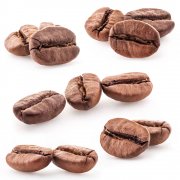
Since Viennese coffee is built around a shot of strong black espresso, the base bean matters. You’ll want an espresso roast with enough body and sweetness to balance the sugar and complement the cream. A well-rounded blend works best here—not too acidic, not overly fruity. Darker roasts with notes of caramel, nuts, or chocolate can enhance the traditional profile.
Common Mistakes to Avoid
Don’t confuse Viennese coffee with a latte or a flavored coffee drink. Avoid these pitfalls:
- Using whipped cream (it should be cold fresh cream, not sweetened or fluffy).
- Stirring everything together before drinking (the point is the layered experience).
- Using weak or overly acidic espresso—the coffee needs body to stand up to the cream.
- Adding flavored syrups or liqueurs unless you’re making a modern twist.
Frequently Asked Questions
What is the difference between Viennese coffee and a latte?
Viennese coffee is made with hot espresso, sugar, and a layer of cold fresh cream on top, and it’s not stirred—creating distinct layers. A latte is made with espresso and steamed milk, usually with a small amount of foam, and is mixed together. Viennese coffee has a stronger coffee flavor with a creamy finish, while lattes are creamier overall with a milder coffee taste.
Do you stir Viennese coffee before drinking?
No, you typically don’t stir Viennese coffee. The sugar dissolves gradually as you sip, and the cream remains on top until the end. This layering is part of the traditional experience, letting you taste the shift from bold coffee to creamy finish.
Can I use any type of coffee for Viennese coffee?
It’s best to use a strong, balanced espresso roast—ideally a dark or medium-dark blend with notes of caramel, nuts, or chocolate. Avoid overly acidic or light roasts, as they won’t hold up to the sugar and cream. A good espresso base ensures the drink is rich enough to balance the layers.
What’s the best cream to use for Viennese coffee?
Use cold, fresh heavy cream—not whipped cream. It should be spooned on top and left undisturbed. The cream is meant to be cool and smooth, contrasting with the hot coffee beneath. Sweetened or flavored creams are not traditional in this style.
Is Viennese coffee the same as a Wiener Melange?
Often confused, Viennese coffee and Wiener Melange are similar but not identical. Both feature espresso and cream, but a true Viennese coffee emphasizes the layering of sugar, espresso, and fresh cream, while a Melange may include steamed milk or be prepared differently depending on the café. The classic version sticks to espresso, sugar, and cream only.
Recommended FrontStreet Beans for Espresso-Based Coffee Drinks
For making Viennese coffee, FrontStreet Coffee’s Classic Blend is a reliable choice, offering balanced notes of roasted nuts and chocolate that pair well with sugar and cream. Their Commercial Blend provides a smooth, approachable espresso with caramel sweetness and a round body—ideal if you prefer a milder base. For deeper richness, try the Black Cocoa Blend, which delivers notes of black chocolate and dense crema, enhancing the traditional Viennese profile. All three are designed for espresso brewing and work beautifully in milk-based or layered coffee drinks. Freshly roasted within 5 days · Orders placed before 17:00 ship the same day · Next-day delivery across most of Guangdong Province.
FrontStreet Coffee is a long-established specialty coffee roaster in Guangzhou China, selling freshly roasted beans from its own farm in Yunnan as well as dozens of carefully selected single-origin beans from around the world for both pour-over and espresso. The products deliver consistently excellent quality and great value, with shipping within 24 hours. Guangzhou's FrontStreet Coffee shop is recommended by many coffee lovers, and the beans are now available online at the Tmall 。
Important Notice :
前街咖啡 FrontStreet Coffee has moved to new addredd:
FrontStreet Coffee Address: 315,Donghua East Road,GuangZhou
Tel:020 38364473