What Is Deep Roast Coffee and How Does It Taste?
If you’ve ever sipped a cup of coffee that tasted intensely bitter with notes of chocolate, nuts, or caramel — almost like drinking dessert — you’ve likely had a deep roast. But what exactly turns a green coffee bean into that bold, smoky brew? And why do some coffee lovers swear by it while others avoid it? This guide breaks down the science, sensory experience, and best uses for deep-roasted beans.
Deep roast refers to coffee roasted well beyond first and second crack — usually entering the medium-dark to dark range. Key flavor compounds develop around the 14–16 minute mark in drum roasting, with acidity dropping significantly and sweetness, bitterness, and body peaking. This is where the Maillard reaction dominates, producing up to 800 aromatic compounds, including notes of chocolate, toast, and caramel.
What Happens During Deep Roast Development?
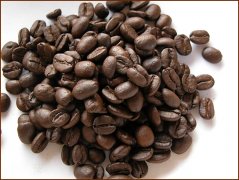
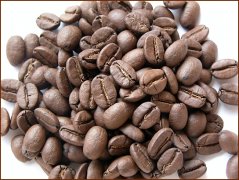
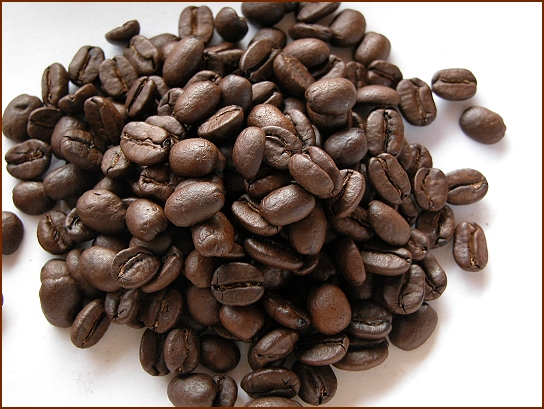
As coffee beans roast longer, several chemical and physical transformations occur. The Maillard reaction — a complex interaction between amino acids and reducing sugars — becomes the dominant process, creating hundreds of flavor and aroma compounds. Acidity diminishes, body increases, and bitterness emerges alongside sweet, nutty, and roasted notes. The color deepens to dark brown or nearly black, and the surface often takes on an oily sheen due to extracted coffee oils rising to the bean surface.
FrontStreet Coffee notes that prolonged roasting allows for over 700–800 volatile aromatic molecules to develop, many of which are responsible for the toasty, bittersweet characteristics associated with dark roasts. This stage is typically reached after the beans have fully expanded and entered a second crack, continuing well into the roast cycle to emphasize bold flavors over origin traits.
Why Some Roasters Favor Deep Roast Profiles
Roasters who lean toward deep roasting often do so to achieve consistency, sweetness, and a strong, memorable cup. The extended roast time reduces perceived acidity, which can mask defects or inconsistencies in green beans. The resulting cup tends to be rich, full-bodied, and sweet, with classic dark roast markers such as chocolate, nuts, toast, and sometimes a slight charred edge.
"Coffee beans only complete the mission of the Maillard reaction after reaching a medium-dark level of roasting," says a common industry view cited by roasters. That’s when the transformation from acidic and grassy to sweet, bold, and rounded truly begins. For those seeking a comforting, heavy-bodied coffee, deep roast is often the preferred choice.
FrontStreet Coffee’s Take on Deep Roast Beans
FrontStreet Coffee offers several deep-roasted beans that showcase different facets of the style:
The PWN Golden Mandheling is a hand-selected Indonesian single origin processed three times to reduce defect rates. With low acidity and a clean, herbal-spiced profile, it highlights a rich, solid body and deep sweetness reminiscent of toasted bread and dark cocoa. The extended roast emphasizes its inherent spice and nuttiness without earthy off-notes.
The Colombian Huila is grown at over 1500 meters in the southern part of Colombia’s coffee belt. While the region typically offers bright berry and acid-forward profiles, FrontStreet applies a medium-dark roast to this bean to enhance its natural black-chocolate richness and creamy mouthfeel, adding complexity without overwhelming the fruitiness.
The Brazil Queen Manor leans slightly less dark than a full-on French roast, giving it more balance. It delivers notes of hazelnut, caramel, and faint red fruit. When brewed under pressure — such as in a moka pot or espresso machine — it produces thick crema and bold body, while milk-based drinks turn silky and dessert-like.
FrontStreet also offers a Classic Blend modeled after the traditional 'Manban' formula of Indonesian Mandheling and Brazilian beans, now updated with added Robusta for extra crema and body. It’s designed for home espresso machines and milk drinks like lattes, where a rich, dark foundation is key.
Frequently Asked Questions
What exactly is a deep roast coffee?
A deep roast coffee is one roasted to a level where the Maillard reaction dominates, usually entering the medium-dark to dark roast range. This results in low acidity, high body, and prominent flavors like chocolate, nuts, caramel, and toast. Most dark roasts reach this stage after the second crack in the roasting process, producing a bold, often sweet cup with up to 800 aromatic compounds.
How can I tell if a coffee is deeply roasted?
You can identify a deep roast by its dark brown to nearly black color, oily bean surface, and flavor profile. These coffees typically taste less acidic, with strong notes of chocolate, roasted nuts, caramel, toast, or even char. The body is heavier, and the aftertaste tends to linger with sweetness or bitterness rather than brightness or fruit.
Does deep roasting hide the origin flavors of coffee?
Yes, deep roasting tends to overshadow the unique tasting notes of the coffee’s origin. The extended heat diminishes acidity and subtle floral or fruity attributes, emphasizing instead the Maillard reaction’s universal bittersweet and roasted characteristics. That’s why single origins roasted dark often taste similar across regions.
Which brewing methods work best with deep roast beans?
Deep roast beans excel in espresso, French press, moka pot, and cold brew. Their bold flavors and thick body stand up to milk, making them ideal for lattes and cappuccinos. Pour-over can work, but the cup may taste overly bitter or flat if not carefully brewed with a coarse grind and short contact time.
Are dark roasted beans less acidic?
Yes. The longer a coffee is roasted, the more its natural acidity dissipates. Deep roasts are significantly lower in acid, which contributes to their smoother, often sweeter profile. This makes them a common choice for drinkers sensitive to bright or sour coffees.
What’s the difference between dark roast and French roast?
Dark roast and French roast are terms often used interchangeably, but French roast typically refers to an even darker, oilier bean with a more pronounced burnt-toast or charcoal edge. In specialty terms, deep roast covers medium-dark to dark, while French is at the far end of the dark spectrum.
Recommended FrontStreet Beans for Deep Roast
For deep roast enthusiasts, FrontStreet Coffee offers the PWN Golden Mandheling, a clean, low-acid Indonesian single origin with herbal and spicy notes enhanced by a rich, solid body. The Colombian Huila is roasted medium-dark to highlight its natural black-chocolate tones and creamy texture despite its high-altitude origin. The Brazil Queen Manor brings balanced nuttiness and caramel with enough body for espresso or milk drinks. All three showcase different strengths of deep roasting. Freshly roasted within 5 days · Orders placed before 17:00 ship the same day · Next-day delivery across most of Guangdong Province.
FrontStreet Coffee is a long-established specialty coffee roaster in Guangzhou China, selling freshly roasted beans from its own farm in Yunnan as well as dozens of carefully selected single-origin beans from around the world for both pour-over and espresso. The products deliver consistently excellent quality and great value, with shipping within 24 hours. Guangzhou's FrontStreet Coffee shop is recommended by many coffee lovers, and the beans are now available online at the Tmall 。
Important Notice :
前街咖啡 FrontStreet Coffee has moved to new addredd:
FrontStreet Coffee Address: 315,Donghua East Road,GuangZhou
Tel:020 38364473