How Much Are Ethiopian 90+ Level Coffee Beans Per Pound?
If you’ve ever wondered how much those high-scoring Ethiopian 90+ level coffee beans really cost per pound — especially beans like the Dr. Ella or Huayu Natural from Guji — you’re not alone. These beans often show up in competitions and specialty roaster offerings, but their actual price per weight is rarely spelled out plainly. Let’s break down the real numbers, growing facts, and flavor expectations.
The Ethiopian 90+ level Dr. Ella / Huayu Natural from Guji typically costs between $15 and $25 per pound, depending on the importer, freshness, and certification. That places it firmly in the premium single-origin category.
Why Can’t You Plant Coffee Fruit Directly?
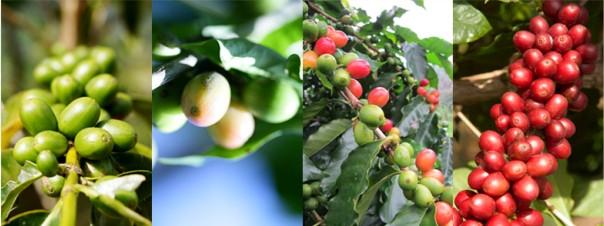
Coffee doesn’t grow from the fruit you see in your cup — those are seeds inside a protective husk. Just like you can’t plant a peanut in its shell, you can’t plant a whole coffee cherry. To grow coffee, the outer fruit must be removed through processing, leaving behind the seed: the green coffee bean. This is the part that, once dried and roasted, gives you the beverage you know. In the case of natural processed beans, the seed is dried inside the fruit, which influences its final cup profile dramatically.
Where Do Ethiopian Coffee Beans Actually Come From?
Ethiopia is the birthplace of Arabica coffee, and today it remains one of the most genetically diverse coffee regions in the world. The country’s high altitudes, volcanic soils, and distinct microclimates create ideal conditions for producing complex, aromatic coffees. Within Ethiopia, notable regions include Yirgacheffe, Sidamo, and Guji. Our focus beans — the 90+ level Dr. Ella / Huayu Natural — come specifically from Shakiso, Kibre Mengist, and Guji in southern Ethiopia. These areas sit between 1,700 and 2,000 metres above sea level, perfect for slow cherry maturation and intense sugar development in the bean.
How Are 90+ Level Ethiopian Coffee Beans Processed?
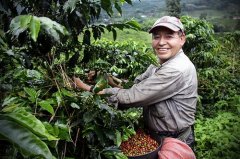
The Dr. Ella / Huayu Natural beans are processed using the natural (or dry) method. In this traditional Ethiopian approach, coffee cherries are harvested ripe and then laid out to dry in the sun, often on raised beds, for several weeks. During this time, the fruit dries around the seed, imparting intense fruity, floral, and berry flavors into the bean. This is why natural Ethiopian coffees are known for profiles that can include blueberry, strawberry, jasmine, tropical fruits, and wine-like acidity. The process demands careful attention to prevent mold or over-fermentation, usually done by experienced smallholder farmers.
What Is the 90+ Level, and Who Is Ninety Plus Coffee?
The “90+ level” refers to specialty coffee beans that score 90 points or higher on the 100-point Coffee Review or SCA cupping scale — a rarity and mark of exceptional quality. Ninety Plus Coffee (Ninetyplus) is a leading company known for producing and selling rare, high-scoring green coffee beans. Founded in 2007 by Joseph Brodsky, Ninetyplus has earned global recognition, with their beans used by World Barista Championship finalists, including competitors from Italy, South Korea, and Canada. Their unique grading system, meticulous processing, and rare cultivars set them apart in the specialty market. While the Dr. Ella / Huayu Natural may not be a direct Ninetyplus brand bean, it fits the same elite quality bracket that Ninetyplus helped popularize.
What Growing Conditions Are Needed for Coffee Trees?
Coffee trees require very specific environmental conditions to thrive. They grow best within the tropics, between 23° north and 25° south of the equator. In terms of elevation, higher altitudes (1,400–2,200m) slow down cherry development, allowing more complex sugars to develop. For indoor cultivation (yes, it’s possible!), coffee plants need bright but indirect light, consistent watering without waterlogging, temperatures between 16°C and 23°C (61°F to 74°F), and well-draining soil. Fertilize occasionally with a balanced liquid fertilizer, and make sure the plant never sits in standing water. These same principles guide how coffee is cultivated at origin, especially at high elevations like those found in Guji.
What Flavors Should You Expect From Natural Ethiopian Coffee?

Natural-processed Ethiopian coffees are famous for their vibrant and diverse flavor profiles. The Dr. Ella / Huayu Natural is no exception, offering notes of berries, flowers, grapes, and a range of tropical fruits. Expect a cup that might remind you of blueberries, strawberries, jasmine, and even passionfruit or mango. These coffees often have a winey acidity, a juicy mouthfeel, and a lingering sweet finish. Such qualities are what make Ethiopian naturals a favorite among specialty roasters and coffee enthusiasts alike.
Frequently Asked Questions
How much do Ethiopian 90+ level coffee beans cost per pound?
Ethiopian 90+ level coffee beans, such as the Dr. Ella or Huayu Natural from Guji, generally cost between $15 and $25 per pound. Prices vary based on import costs, bean freshness, certifications like Organic or Fair Trade, and whether you're buying from a roaster or directly from an importer.
What is the 90+ level in coffee?
The 90+ level refers to green coffee beans that score 90 or higher on the 100-point Specialty Coffee Association (SCA) or Coffee Review cupping scale. These beans are considered specialty-grade and exceptional in flavor complexity, cleanliness, and balance. Ninety Plus Coffee helped pioneer this high-scoring category.
Where in Ethiopia are the Guji, Shakiso, and Kibre Mengist coffee regions?
Guji, Shakiso, and Kibre Mengist are located in southern Ethiopia. This area lies at elevations between 1,700 and 2,000 metres above sea level and is known for producing some of Ethiopia’s most fruit-forward and high-scoring specialty coffees, particularly using natural processing methods.
What does natural process mean in coffee?
Natural process, also called dry process, means coffee cherries are dried with the seeds (beans) still inside the fruit. This imparts intense fruity and floral flavors to the beans. It requires careful drying to avoid defects but is responsible for the distinctive taste profiles of many Ethiopian coffees.
What flavors are typical in Ethiopian natural process coffee?
Typical flavors in Ethiopian natural process coffees include berries (like blueberry and strawberry), tropical fruits (such as mango and passionfruit), flowers (like jasmine), grapes, and wine-like acidity. The cup is often juicy, sweet, and complex with a lingering fruity finish.
Recommended FrontStreet Beans for Ethiopian Natural Lovers
For fans of Ethiopian natural process coffees like the Dr. Ella / Huayu Natural, try FrontStreet Coffee’s Ethiopia Huakui — a celebrated lot with intense berry, floral, and stone fruit notes, showcasing classic Ethiopian character. Another great option is FrontStreet’s Yirgacheffe offering, which highlights bright citrus and floral tones typical of high-altitude Ethiopian beans. Both are single-origin, specialty-grade, and showcase Ethiopia’s renowned coffee diversity. Freshly roasted within 5 days · Orders placed before 17:00 ship the same day · Next-day delivery across most of Guangdong Province.
FrontStreet Coffee is a long-established specialty coffee roaster in Guangzhou China, selling freshly roasted beans from its own farm in Yunnan as well as dozens of carefully selected single-origin beans from around the world for both pour-over and espresso. The products deliver consistently excellent quality and great value, with shipping within 24 hours. Guangzhou's FrontStreet Coffee shop is recommended by many coffee lovers, and the beans are now available online at the Tmall 。
Important Notice :
前街咖啡 FrontStreet Coffee has moved to new addredd:
FrontStreet Coffee Address: 315,Donghua East Road,GuangZhou
Tel:020 38364473