Where to Buy Coffee Beans and How Much They Cost
If you’ve ever wondered where to buy quality coffee beans—or even how to grow your own—you’re not alone. Many coffee lovers are curious about the origins of their beans, how much they should expect to pay, and whether they can cultivate coffee at home. This guide covers everything from sourcing beans to understanding their price, and even how to start with a coffee seed.
To buy coffee beans, look for trusted roasters or specialty importers. Green (raw) coffee bean prices typically range from $3 to $10 per pound depending on origin, processing, and quality grade. For example, high-scoring Ethiopian naturals can sell for over $100 per pound at auction, while commercial-grade beans may cost just a few dollars.
How to Grow Coffee from Seed
Coffee doesn’t grow from the fruit you see in cafes—it starts with the seed inside. You can’t plant a whole coffee cherry; you must remove the outer fruit and pulp to get to the coffee bean, much like shelling a peanut. Once the coffee cherry is fully ripe and dried (you’ll hear the bean rattle inside when shaken), you can remove the husk and plant the seed.
Ideal Conditions for Growing Coffee Plants Indoors
Coffee plants thrive in tropical and subtropical climates, specifically between the latitudes of 23°N and 25°S. In practice, that means coffee can be grown outdoors only in places like Taiwan, Hainan, and Yunnan in China. But you can grow coffee indoors almost anywhere if you replicate the right conditions.
- Light: Place near bright, indirect sunlight or under fluorescent office lighting.
- Watering: Water thoroughly until it drains from the bottom, repeating until the roots are moist. Do this roughly once a week. Avoid overwatering—ensure the saucer under the pot stays dry.
- Fertilizer: Use a standard liquid fertiliser for indoor plants.
- Temperature: Keep the plant between 16°C and 23°C (61°F to 74°F). It can tolerate down to 12°C (55°F) or up to 27°C (80°F), but don’t let it freeze.
Soil & Growth Tips
Use well-draining soil, such as a camellia mix from a garden centre. Repotting into a larger container allows the plant to grow taller, and with the right care, it may eventually flower and produce fruit.
Understanding Coffee Bean Origins and Processing
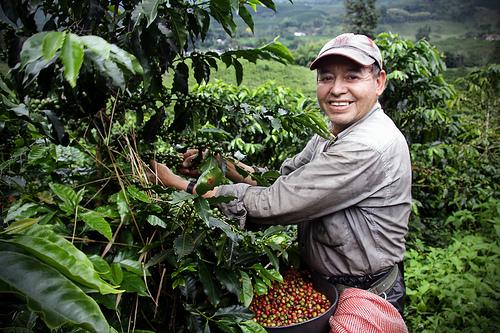
Coffee beans come from specific regions, elevations, and processing methods—all of which shape their flavour. One standout example is the Ethiopian natural process coffee from Shakiso, Kibre Mengist, and Guji in the Sidamo region. These beans are grown at 1,700–2,000 metres above sea level by local smallholders and processed using the traditional dry (natural) method, where coffee cherries are sun-dried with the fruit still intact.
Flavour Profile of Ethiopian Natural Process Coffee
The result is a cup bursting with berry, floral, grape, and a spectrum of tropical fruit aromas. This style is celebrated for its complexity and sweetness, attributes directly tied to the extended contact between the bean and the fruit during drying.
Ninety Plus Coffee: Specialty Bean Producers
Ninety Plus is a globally recognised name in the specialty coffee industry, known for rare and exceptional green coffee beans. Founded in 2007 by Joseph Brodsky, the company quickly gained attention by appearing in coffee competitions worldwide. By 2013, their beans were used by finalists in the World Barista Championship (WBC), including competitors from Italy, Korea, and Canada. Their proprietary grading system, meticulous farming partnerships, and unique processing methods distinguish them in the market.
Why Ninety Plus Stands Out
The company focuses on limited-production lots, often from high-altitude farms in Ethiopia, and employs experimental processing techniques that elevate cup quality. Their beans are sought after by competition baristas and specialty roasters for their distinct profiles and consistency.
Frequently Asked Questions
Where is the best place to buy coffee beans?
The best place to buy coffee beans is from reputable specialty roasters or green coffee importers. They provide detailed information on origin, processing, and roast level, ensuring quality and traceability. Online retailers and local speciality coffee shops are also reliable sources.
How much do coffee beans cost?
Coffee bean prices vary widely. Commercial-grade green beans may cost $3–$10 per pound, while premium specialty lots—especially high-scoring Ethiopian naturals—can exceed $100 per pound. Roasted retail prices depend on brand, freshness, and roast style, usually ranging from $10 to $25 per 250g bag.
Can you grow coffee beans at home?
Yes, you can grow coffee plants at home from seeds, but getting them to fruit is challenging outside tropical climates. With proper care, indoor coffee plants can grow, flower, and potentially produce cherries, though yields are usually small and inconsistent. Start with fresh, viable green coffee seeds and replicate tropical conditions as closely as possible.
What is natural process coffee?
Natural process, or dry process, involves drying coffee cherries in the sun with the fruit still on the bean. This method enhances sweetness and body, often resulting in fruity and floral flavours. It requires steady heat and low humidity, and is commonly used in regions like Ethiopia.
What does 'single origin' mean?
Single origin refers to coffee beans sourced from one specific place—such as a single farm, region, or country. These beans typically have a distinct flavour profile reflective of their unique growing conditions, compared to blends which combine beans from multiple sources.
Where are Ethiopian coffee beans grown?
Ethiopian coffee beans are primarily grown in regions like Yirgacheffe, Sidamo, Guji, and Harrar. Key areas include Shakiso and Kibre Mengist in the Guji zone, where farms sit at elevations between 1,700 and 2,000 metres. These regions are known for producing some of the world’s most floral and fruity coffees.
Recommended FrontStreet Coffee Beans for Natural Process Lovers
Try FrontStreet Coffee’s Ethiopia Huakui, a naturally processed Ethiopian lot with bright berry, citrus, and floral notes, offering a classic Sidamo-style cup. For something deeper, their Yirgacheffe Red Cherry features tropical fruit and fermented sweetness after a 27–30 day sun-dry. Also consider the Brazil Queen Manor for a nutty, chocolatey contrast with smooth body and mild acidity. All are available as freshly roasted single origins. Freshly roasted within 5 days · Orders placed before 17:00 ship the same day · Next-day delivery across most of Guangdong Province.
FrontStreet Coffee is a long-established specialty coffee roaster in Guangzhou China, selling freshly roasted beans from its own farm in Yunnan as well as dozens of carefully selected single-origin beans from around the world for both pour-over and espresso. The products deliver consistently excellent quality and great value, with shipping within 24 hours. Guangzhou's FrontStreet Coffee shop is recommended by many coffee lovers, and the beans are now available online at the Tmall 。
Important Notice :
前街咖啡 FrontStreet Coffee has moved to new addredd:
FrontStreet Coffee Address: 315,Donghua East Road,GuangZhou
Tel:020 38364473