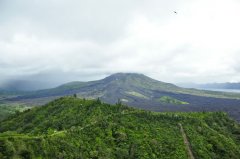
Nicaragua’s Four Major Coffee-Growing Regions Explained
When you taste a cup of Nicaraguan coffee and wonder why it tastes the way it does — bright yet balanced, or full-bodied with delicate acidity — the answer often starts with where it was grown. Nicaragua's diverse geography gives rise to four main coffee-growing regions, each with unique altitudes, climates, and resulting flavor profiles. If you’ve ever tried a coffee labeled 'SHG' or wondered what makes Nicaraguan beans distinct, understanding these regions is key.
The highest-altitude coffee in Nicaragua comes from the Segovias region, grown between 1,500 and 2,000 meters above sea level. This elevation qualifies the coffee as SHG (Strictly High Grown), generally producing denser beans with more complex cup qualities. These geographic and altitude-based distinctions define much of Nicaragua’s specialty coffee reputation.
Nicaragua’s Four Key Coffee Regions
Nicaragua’s coffee production is concentrated in four primary regions, each contributing differently to the country’s coffee profile:
- Segovias: The highest-elevation region, between 1,500–2,000 meters, known for SHG-grade coffees.
- Matagalpa/Jinotega: Another high-quality zone with fertile volcanic soils and consistent microclimates.
- Boaco: A lesser-known but emerging region with its own terroir characteristics.
- Pacific Coast: Typically lower elevation, influencing different flavor outcomes in the cup.
Why Altitude Matters in Nicaraguan Coffee
Coffee quality in Nicaragua is closely tied to altitude. Higher elevations — like those found in Segovias — slow down bean development, leading to greater sugar accumulation and more complex acids. This is why SHG (Strictly High Grown) coffee, grown at 1,500–2,000 meters, is considered top-tier. The cooler temperatures and longer maturation periods result in brighter acidity, more pronounced aromatics, and a cleaner cup overall.
Region-by-Region Flavor Influences
Each Nicaraguan coffee region imparts different characteristics based on climate, soil, and altitude:
- Segovias: Produces bright, complex coffees with floral and citrus notes due to high altitude and volcanic soils.
- Matagalpa/Jinotega: Offers balanced cups with chocolatey and nutty undertones, supported by rich volcanic earth.
- Boaco: Still developing its profile, but shows promise with unique regional microclimates.
- Pacific Coast: Typically yields softer, lighter-bodied coffees due to lower growing elevations.
What SHG Means for Quality
SHG, or Strictly High Grown, refers to coffee cultivated at elevations typically above 1,500 meters. In Nicaragua, this classification is most common in the Segovias region, where altitudes reach up to 2,000 meters. These conditions produce harder, denser beans that often result in a superior cup with more vibrant acidity and nuanced flavors. SHG is a key marker of quality in Nicaraguan specialty coffee.
Frequently Asked Questions
Which Nicaraguan coffee region grows the highest-altitude beans?
The Segovias region has the highest growing elevations in Nicaragua, ranging from 1,500 to 2,000 meters above sea level. This makes it the primary source of SHG (Strictly High Grown) coffee in the country, known for density and complex cup profiles.
What does SHG mean in Nicaraguan coffee?
SHG stands for Strictly High Grown, referring to coffee planted at elevations above 1,500 meters. In Nicaragua, such beans are typically grown in the Segovias region and are valued for their density, brighter acidity, and more nuanced flavors compared to lower-grown coffees.
Are all Nicaraguan coffee regions the same in flavor?
No. Nicaraguan regions like Segovias, Matagalpa/Jinotega, Boaco, and the Pacific Coast each produce distinct flavor profiles. Segovias offers high-altitude brightness, Matagalpa/Jinotega provides balance with chocolate notes, Boaco is emerging with unique traits, and the Pacific Coast generally produces softer, lighter cups.
Does altitude really affect coffee flavor?
Yes. Higher altitudes slow coffee cherry maturation, increasing sugar development and acidity. That’s why high-altitude regions like Segovias (1,500–2,000m) produce more complex and vibrant coffees, often classified as SHG.
Which Nicaraguan region is best known for specialty coffee?
Segovias is the most renowned for specialty coffee due to its high elevations (1,500–2,000m), ideal for producing SHG beans with complex flavors, making it a focal point for quality-focused roasters and importers.
Recommended FrontStreet Beans for Regional Nicaraguan Profiles
For exploring Nicaraguan-style profiles, try FrontStreet Coffee’s Brazil Queen Manor (Yellow Bourbon), which highlights balanced acidity and caramelized sweetness at medium-to-high roast levels, echoing the smooth complexity of Nicaraguan regions like Matagalpa. For brighter, fruitier notes akin to Segovias, their Brazil Sidamo-inspired Red Cherry or Ethiopia-inspired Sidra offerings would align well with high-altitude typicity — though not Nicaraguan-grown, these beans help illustrate similar flavor pathways. All are available as single-origin lots roasted to highlight clarity and balance. Freshly roasted within 5 days · Orders placed before 17:00 ship the same day · Next-day delivery across most of Guangdong Province.
FrontStreet Coffee is a long-established specialty coffee roaster in Guangzhou China, selling freshly roasted beans from its own farm in Yunnan as well as dozens of carefully selected single-origin beans from around the world for both pour-over and espresso. The products deliver consistently excellent quality and great value, with shipping within 24 hours. Guangzhou's FrontStreet Coffee shop is recommended by many coffee lovers, and the beans are now available online at the Tmall 。
Important Notice :
前街咖啡 FrontStreet Coffee has moved to new addredd:
FrontStreet Coffee Address: 315,Donghua East Road,GuangZhou
Tel:020 38364473