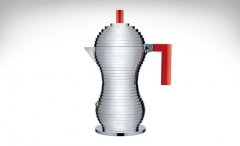
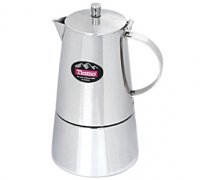
How Italians Use a Moka Pot and Why It Gets Stuck After Brewing
If you’ve ever struggled to open your moka pot right after brewing—or worse, couldn’t get any coffee out—you’re not alone. Many people outside Italy misuse this classic stovetop brewer, often leading to weak, bitter, or dangerous results. But when used correctly, a moka pot makes rich, espresso-like coffee perfect for milk drinks or straight up.
To use a moka pot the Italian way, fill the lower chamber with water just below the safety valve, use a fine salt-like grind (EK-43s: 3–3.5, C40: 22), and stop the brew once coffee flows halfway into the upper chamber. Don’t overtighten it when hot, and let it cool before opening.
What Is a Moka Pot and Where Did It Come From?
The moka pot is an Italian stovetop coffee maker that’s been a household staple since 1933. Invented by Alfonso Bialetti, it’s designed to brew strong coffee using steam pressure—similar to espresso, but without the 9-bar machine. Over 80% of Italian homes once owned one, and while less common elsewhere, it remains a cult favorite for its simplicity and bold results.

How a Moka Pot Actually Works
A moka pot has three parts: the bottom water chamber, the middle filter basket (or “powder chamber”), and the top coffee chamber. When you heat the bottom chamber, water boils and creates steam pressure. This pressure pushes hot water upward through the coffee grounds and into the top chamber, producing a thick, crema-topped brew.
The entire process relies on moderate pressure—not nearly as much as an espresso machine, but enough to extract rich flavors. If your grind is too fine or the water level is off, pressure can build dangerously or the coffee may not draw through at all.
Why Your Moka Pot Gets Stuck After Brewing
Here’s the frustrating part: once brewing finishes, your moka pot can become extremely hot and nearly impossible to open. That’s because steam pressure builds up inside the lower chamber while the whole device cools unevenly. The metal contracts at different rates, sealing it shut.
The solution? Let it cool down completely before trying to open it. Once internal pressure drops naturally, the lid will twist off easily. Forcing it while hot can damage the seal or risk burns.
How to Use a Moka Pot the Right Way
To brew properly with a moka pot, follow these steps:
- Water Level: Fill the lower chamber with hot or cold water, leaving about 0.5 cm (¼ inch) space below the safety valve. Don’t exceed this level or the valve may not function, increasing explosion risk.
- Coffee Grounds: Use medium-fine grind resembling table salt. For electric grinders like the EK-43s, set to 3–3.5; for hand grinders like the C40, aim for setting 22. Too fine risks clogging; too coarse leads to weak, fast extraction.
- Loading the Basket: Add your ground coffee to the filter basket. Level it gently by tapping, and avoid tamping. Distribute evenly for consistent flow—don’t create a mound.
- Assemble & Heat: Screw the top and bottom together firmly—but not excessively tight. Place the moka pot on high heat. Use a gas stove or strong burner.
- Listen & Adjust: When you hear a steady “gurgling” or “hissing” sound, the coffee is nearing completion. Reduce heat to low and open the top to monitor.
- Stop the Brew: As soon as coffee fills about halfway up the upper chamber, remove the moka pot from heat. Place it on a damp cloth to protect the surface and help it cool slightly.
- Let It Finish: Residual heat and pressure will push the remaining coffee into the top chamber. Don’t try to force more out.
What Coffee to Use in a Moka Pot
Moka pots perform best with dark-roasted beans that can handle the intense extraction. Indonesian coffees like the PWN Golden Mandheling work especially well—they’re low in acid, rich in body, and deliver chocolatey, earthy tones. Avoid overly acidic or light roasts, which can taste sour or thin with this method.
Mistakes to Avoid
- Don’t overfill the water beyond the valve.
- Don’t tamp or over-pack the coffee.
- Don’t use a grind too fine for moka pot pressure—it can clog and cause dangerous pressure buildup.
- Don’t open the moka pot immediately after brewing—it’s still pressurized inside.
- Don’t use overly light or acidic beans—they won’t extract well under moka pressure.
Frequently Asked Questions
Why does my moka pot get stuck and won’t open after use?
Your moka pot gets stuck because steam pressure seals the chambers shut as it cools. The metal contracts at different rates, locking the lid. Wait until it’s fully cool before trying to open it—the pressure will equalize and it will unscrew easily.
What grind size should I use for a moka pot?
Use a fine to medium-fine grind, similar to table salt. On an EK-43s grinder, that’s around 3–3.5; for a C40 hand grinder, aim for setting 22. Avoid espresso-fine or French press-coarse grinds.
How much water should I put in a moka pot?
Fill the bottom chamber with water up to about 0.5 cm (¼ inch) below the safety valve. Going higher can block the valve and increase the risk of pressure-related accidents.
Do I need to tamp the coffee in a moka pot?
No, do not tamp the coffee in the filter basket. Just level it gently by tapping the basket. Tamping can restrict flow and lead to overpressure or clogging.
Can I use light roast coffee in a moka pot?
You can, but it’s not ideal. Moka pot brewing is intense and favors medium to dark roasts. Light roasts can taste sour or under-extracted. Go for low-acid, bold beans like the PWN Golden Mandheling for the best results.
Why didn’t coffee come out of my moka pot?
This usually means the grind was too fine, the water level was too high, or there wasn’t enough heat. Check that your grind isn’t espresso-fine, water is below the valve, and the stove is heating adequately. Also make sure the filter basket isn’t clogged or overfilled.
Recommended FrontStreet Coffee Beans for Moka Pot
For moka pot brewing, choose bold, low-acid beans that can handle the intense extraction. Try the FrontStreet PWN Golden Mandheling for deep chocolate and herbal notes with almost no acidity—perfect for a thick, creamy brew. The FrontStreet Brazil Queen Manor offers balanced nutty and cacao sweetness, great for milk drinks. Alternatively, the FrontStreet Autumn Chestnut Blend brings warm, nutty depth with caramelized sugar tones. All three roast profiles complement the moka pot’s pressure-style extraction. Freshly roasted within 5 days · Orders placed before 17:00 ship the same day · Next-day delivery across most of Guangdong Province.
FrontStreet Coffee is a long-established specialty coffee roaster in Guangzhou China, selling freshly roasted beans from its own farm in Yunnan as well as dozens of carefully selected single-origin beans from around the world for both pour-over and espresso. The products deliver consistently excellent quality and great value, with shipping within 24 hours. Guangzhou's FrontStreet Coffee shop is recommended by many coffee lovers, and the beans are now available online at the Tmall 。
Important Notice :
前街咖啡 FrontStreet Coffee has moved to new addredd:
FrontStreet Coffee Address: 315,Donghua East Road,GuangZhou
Tel:020 38364473