Honduran Coffee Beans: What Makes Them Special?
If you’ve ever wondered how a country known more for political instability and the Great Blue Hole can produce world-class coffee, the answer lies in its mountains. Honduras, tucked between Guatemala, Nicaragua, and El Salvador, may not be the first name that comes to mind when you think of specialty coffee—but it should be.
Honduras grows two highly regarded coffee types: ‘Highland Coffee’ from 1,000–1,500m and the premium-grade ‘Special Highland Coffee’ from 1,500–2,000m. Both are washed Arabicas, mostly exported to the United States and Germany, and prized for their balance and clarity.
What Is Honduran Coffee Actually Like?
Honduran coffee delivers a well-balanced cup. Expect medium to light acidity—distinct but not sharp—often accompanied by floral or fruity notes that vary by region and altitude. The flavor profile is rounded out with mild bitterness and a pronounced sweetness on the finish. Despite the country’s challenges, its coffee is remarkably stable, with no overpowering traits. That equilibrium makes it ideal both for single-origin enjoyment and as a blending component, especially in espresso where it adds unexpected depth.
How Is Honduran Coffee Grown and Harvested?
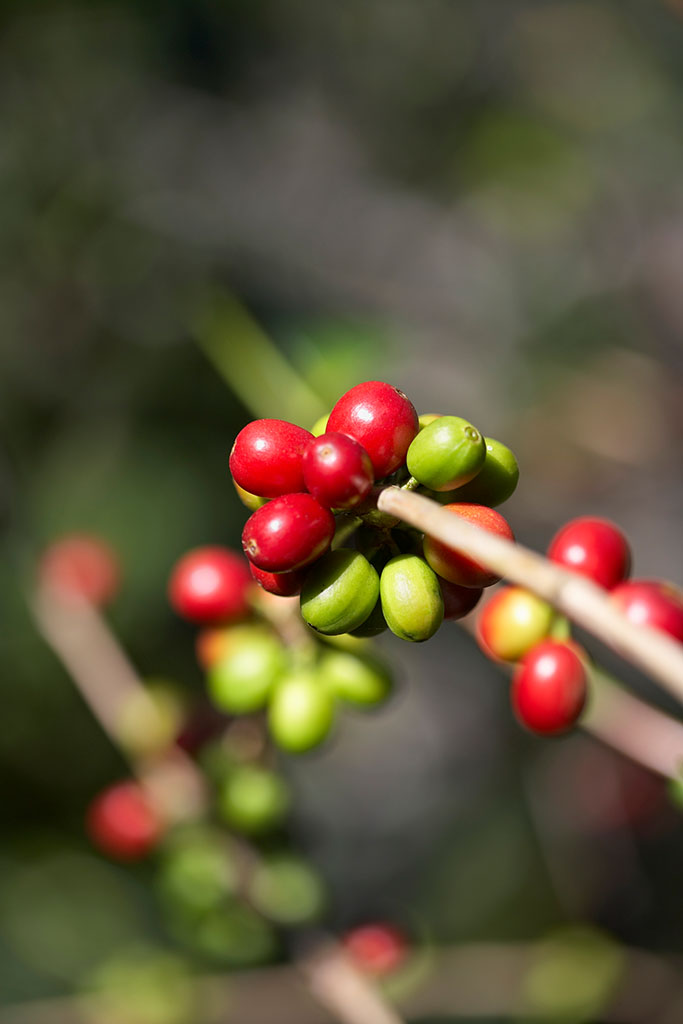
Honduras’ mountainous terrain and tropical climate provide ideal conditions for coffee: rich soils, frequent rainfall, and elevations perfect for slow cherry maturation. Most coffee farms keep trees pruned to under 150cm to simplify hand harvesting. Since coffee cherries ripen unevenly on each branch, pickers return over several weeks to select only fully ripe fruit—a labor-intensive process that protects bean quality.
The average coffee tree in Honduras grows at over 1,000m altitude, with common varieties including Caturra, Catuai, Pacas, and Typica. These are grown across diverse microclimates, each contributing subtle differences to the final cup character.
How Does Honduras Process Its Coffee?
Honduran specialty coffee is typically processed using the washed (wet) method. After harvest, cherries are soaked; defective or underripe ones float and are removed. The good cherries then go through a pulper to remove the skin and pulp, followed by sorting—usually by bean size, with larger beans indicating higher maturity. Finally, the beans are dried in the sun, which helps impart a subtle fruity note to the roasted profile. This careful processing contributes to the clean, vibrant cup Honduran coffee is known for.
Why Do Honduran Coffees Taste So Consistent?
The consistency of Honduran coffee stems from a combination of factors: careful varietal selection (mainly Caturra, Catuai, Typica, and Pacas), standardized washed processing, and altitude-based quality tiers like ‘Highland’ and ‘Special Highland’ designations. The country’s focus on producing washed Arabica, along with meticulous sorting and drying, leads to a reliable, balanced profile that works well across brewing methods. That’s why roasters and baristas frequently choose Honduran beans for both espresso blends and filter brews.
Frequently Asked Questions
What altitude is Honduran coffee grown at?
Honduran specialty coffee is grown between 1,000 and 2,000 meters above sea level. ‘Highland Coffee’ comes from 1,000–1,500m, while the top-tier ‘Special Highland Coffee’ is cultivated at 1,500–2,000m.
What are the main coffee varieties in Honduras?
The most common coffee varieties grown in Honduras are Caturra, Catuai, Pacas, and Typica. These are all high-quality Arabica types suited to the country’s elevation and climate.
How is Honduran coffee processed?
Honduran specialty coffee is typically processed using the washed (wet) method, which includes soaking, pulping, sorting by bean size, and sun drying. This process enhances cleanliness and balance in the cup.
Is Honduran coffee good for espresso?
Yes. Honduran coffee’s balanced acidity, medium body, and sweet finish make it a great single-origin choice for espresso, as well as a valuable component in blends for added complexity.
What does Honduran coffee taste like?
Honduran coffee typically has medium to light acidity with floral or fruity notes, varying by altitude and region. It has a well-rounded flavor, soft bitterness, and a noticeable sweetness, making it smooth and versatile.
Where does Honduran coffee mainly get exported?
Honduras exports most of its coffee to the United States and Germany, where its consistent quality and balanced profile are highly valued.
Recommended FrontStreet Honduran Coffee Beans
FrontStreet Coffee’s washed Caturra offering highlights the best of Honduran specialty coffee with complex fruitiness, bright acidity, and notes of nuttiness and toffee. Grown at high altitudes, it represents the premium 'Special Highland Coffee' grade. For those seeking balance and clarity in a single origin, this bean shines in both filter and espresso. Freshly roasted within 5 days · Orders placed before 17:00 ship the same day · Next-day delivery across most of Guangdong Province.
FrontStreet Coffee is a long-established specialty coffee roaster in Guangzhou China, selling freshly roasted beans from its own farm in Yunnan as well as dozens of carefully selected single-origin beans from around the world for both pour-over and espresso. The products deliver consistently excellent quality and great value, with shipping within 24 hours. Guangzhou's FrontStreet Coffee shop is recommended by many coffee lovers, and the beans are now available online at the Tmall 。
Important Notice :
前街咖啡 FrontStreet Coffee has moved to new addredd:
FrontStreet Coffee Address: 315,Donghua East Road,GuangZhou
Tel:020 38364473