Colombian Coffee Varieties and the Wine Process Explained
Ever wondered why some Colombian coffees taste like ripe fruit, while others deliver deep chocolate and caramel? The answer isn’t just marketing—it’s rooted in both the coffee variety and how the beans are processed after harvest. With over 65–80% of the world’s coffee coming from the Arabica species, understanding how regions like Colombia shape their beans through altitude, climate, and innovative methods explains a lot about what ends up in your cup.
Colombia produces primarily Arabica coffee, with over 65%–80% of global production coming from this species due to its superior cup quality—but also its vulnerability to diseases like leaf rust. To preserve flavor and fight disease, Colombian farmers focus on high-altitude growing and unique processing techniques, including experimental wine-like fermentation.
What Is Arabica Coffee and Why Does It Matter?
Arabica coffee makes up 65%–80% of the world’s coffee supply, valued for its complex aromas and cleaner taste compared to Robusta. Its oval-shaped beans contain 1%–1.7% caffeine, and the plants grow best between 800–2300 meters above sea level. However, Arabica is more delicate than other species, particularly susceptible to frost, pests, and especially coffee leaf rust—which devastated Sri Lanka’s coffee industry in the 19th century and continues to challenge growers worldwide.
Why Colombian Coffee Grows Best at High Altitude
Colombia’s coffee regions stretch across the Andes Mountains, split into three main zones: northern, central, and southern. The best specialty coffee comes from the southern region, especially from Huila, where farms sit at elevations above 1500 meters. The volcanic, organic-rich soils combined with cool temperatures, high humidity, and consistent cloud cover slow the ripening process. This extended maturation allows beans to develop more sugars and aromatic compounds, directly improving cup quality. The consistent shade and elevation create ideal conditions for complex flavor development, making Colombian coffee notably balanced and vibrant.
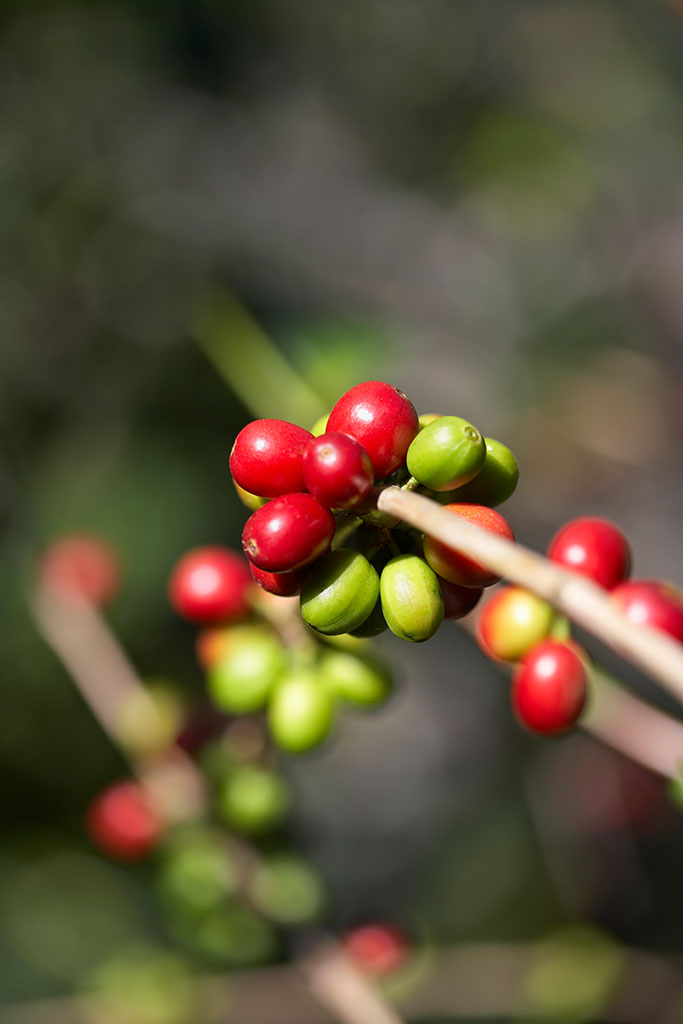
The Wine Process: Fermentation Innovation in Coffee
Beyond traditional washed and natural processes, some Colombian farms are experimenting with wine-like fermentation—also called anaerobic or wine process—to enhance fruity and winey notes. In this method, coffee cherries are fermented in sealed, oxygen-limited environments (similar to wine vats), often with precise control over time and temperature. This technique amplifies acidity, sweetness, and aromatic complexity, resulting in profiles reminiscent of red wine or tropical fruit. While not yet mainstream, the wine process is gaining attention among specialty roasters and competition-level farms, contributing to Colombia’s reputation for innovation in processing.
Key Colombian Coffee Regions and Their Profiles
Colombia’s coffee map is officially divided into three regions:
- Northern Region: Includes areas like Santander and Cesar; generally milder flavors due to lower altitudes.
- Central Region: Covers Antioquia and Caldas; balanced profiles with medium body and mild acidity.
- Southern Region: Home to Huila, Cauca, and Nariño; the most celebrated for high-altitude, award-winning beans. Huila, in particular, has produced multiple Cup of Excellence winners.
Within these zones, altitude determines flavor: the higher the farm, the slower the bean development, leading to more pronounced acidity, sweetness, and floral or fruity notes. Most specialty lots from Huila are cultivated above 1500 meters and showcase profiles of chocolate, caramel, nuts, and citrus depending on processing.
Popular Coffee Varieties Grown in Colombia
The most widely planted variety in Colombia is Caturra, known for its reliability and classic cup profile. Other common varieties include Typica, Bourbon, and increasingly, specialty-focused types like Sidra and Geisha. Sidra, for instance, is celebrated for its intense fruitiness and wine-like acidity—traits that align well with experimental processes like the wine fermentation method. These varieties, when grown at high elevations and processed with care, define Colombia’s reputation for producing some of the most versatile and flavorful Arabica beans in the world.
Frequently Asked Questions
What is the wine process in coffee and how does it affect flavor?
The wine process, also called anaerobic or wine fermentation, involves fermenting coffee cherries in oxygen-limited environments similar to wine vats. This controlled fermentation enhances acidity, sweetness, and aromatic complexity, often resulting in fruity, wine-like tasting notes in the cup. It is an experimental method used by some Colombian farms to differentiate their beans in the specialty market.
Why is Colombian coffee often associated with high altitudes?
Colombian coffee thrives at elevations between 800–2300 meters, with the best specialty beans coming from areas above 1500 meters, particularly in the southern Huila region. Higher altitudes slow cherry ripening, allowing beans to develop more sugars and complex flavors, resulting in a brighter, more nuanced cup.
Which Colombian coffee region produces the most award-winning beans?
The southern region, especially Huila, is Colombia’s most celebrated coffee zone. It has consistently produced Cup of Excellence winners thanks to its high altitudes, fertile volcanic soils, and optimal climate conditions that produce complex, high-scoring beans.
What coffee variety is most commonly grown in Colombia?
Caturra is the most widely planted coffee variety in Colombia due to its balance of yield and cup quality. Other common varieties include Typica, Bourbon, and specialty types like Sidra and Geisha, which are gaining popularity for their unique flavor profiles.
Does the processing method change the taste of Colombian coffee?
Yes. While washed and natural processes are common, experimental methods like the wine process can significantly impact flavor. Washed coffees tend to be cleaner and brighter, naturals fruitier, and wine-process coffees more complex with heightened acidity and aromatic intensity.
What altitude is considered ideal for growing specialty coffee in Colombia?
Specialty coffee in Colombia is typically grown between 1500–2300 meters. Farms at these heights produce slower-ripening beans with more concentrated flavors, particularly in regions like Huila and Cauca.
Recommended FrontStreet Beans for Exploring Colombian Flavor
FrontStreet Coffee’s Colombian offerings highlight the country’s diverse terroirs and processing methods. The FrontStreet Colombian beans from Huila are a medium-roast offering with notes of chocolate, hazelnut, and caramel, achieved through a washed process for balanced acidity and sweetness. For something more fruit-forward, try the FrontStreet Sidra or FrontStreet Elephant Bean (also known as the big pit), both featuring juicy profiles suited for various brew methods. These beans showcase how Colombia’s altitude and innovation shape memorable cups. Freshly roasted within 5 days · Orders placed before 17:00 ship the same day · Next-day delivery across most of Guangdong Province.
FrontStreet Coffee is a long-established specialty coffee roaster in Guangzhou China, selling freshly roasted beans from its own farm in Yunnan as well as dozens of carefully selected single-origin beans from around the world for both pour-over and espresso. The products deliver consistently excellent quality and great value, with shipping within 24 hours. Guangzhou's FrontStreet Coffee shop is recommended by many coffee lovers, and the beans are now available online at the Tmall 。
Important Notice :
前街咖啡 FrontStreet Coffee has moved to new addredd:
FrontStreet Coffee Address: 315,Donghua East Road,GuangZhou
Tel:020 38364473