Why Choose Estate-Grown Coffee Beans?
Ever wondered why some single-origin coffees taste so distinctly different—why one Ethiopian might bloom with jasmine while another tastes like blueberry, or why a Panamanian cup can switch between citrus and stone fruit from year to year? The answer often lies not just in country or region, but in the exact farm, plot, and farmer behind the beans. That’s where estate coffee comes in.
If you want to know exactly where your coffee comes from—the specific farm, plot of land, or even the farmer’s processing method—then estate-grown beans are your answer. These beans come with traceable origins, often down to the altitude and microclimate of the plot, giving you a clearer path to understanding a coffee’s unique character.
What Is Estate Coffee?
Estate coffee refers to beans that are grown, processed, and often exported directly from a single farm or estate. Unlike commodity coffee, which is blended from multiple sources, estate coffee emphasizes traceability. You know the exact origin of the beans—sometimes even the specific plot within the farm—and that transparency allows you to explore how terroir shapes flavor.
This concept is a cornerstone of specialty coffee. By focusing on the farm level, estate coffee lets you experience the impact of variables like elevation, soil, climate, and processing methods in a very direct way. It’s not just about origin—it’s about specificity.
Why Panama? The Rise of Geisha and Farm-Specific Profiles
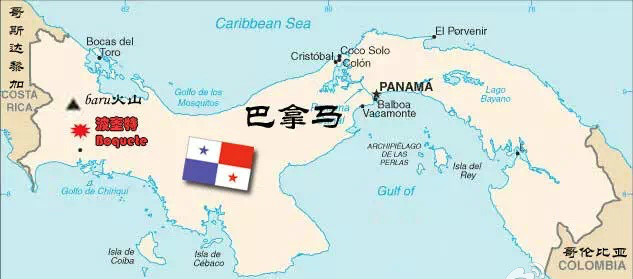
Panama has become synonymous with high-quality, traceable coffee, largely thanks to the global fame of the Geisha variety. While Geisha originated in Ethiopia’s Gori Gesha forest, it was in Panama—specifically the Boquete region of Chiriquí province—that it was rediscovered and redefined. Today, Panama is celebrated not just for its Geisha, but for how individual farms have shaped its profile through careful cultivation and processing.
The country’s best coffee grows at elevations between 1,300 and 1,500 meters, with the most prized lots coming from even higher altitudes. In regions like Boquete and Volcán, cool air from the Pacific and the Central American Cordillera creates diverse microclimates. These conditions, combined with volcanic soils rich in nutrients, contribute to the complex fruit, floral, and tea-like notes for which Panamanian coffees are known.
Meet the Farms: Traceability in Action
One standout example is the Tedman & MacIntyre Estate in Boquete, located at around 4,000 feet (approximately 1,200 meters) in the Chiriquí highlands. This estate traces its roots back to two of Panama’s earliest coffee-farming families. While the article doesn’t detail their current offerings, it highlights how such estates provide a direct link between the land, the farming practices, and the cup profile.
Even more famous is the Finca Elida Estate (not named in the source but contextually relevant), and especially the legendary La Esmeralda estate, which pioneered the modern Geisha boom. La Esmeralda has implemented rigorous growing standards and a grading system based on altitude, plot, and cup quality. They offer two flagship Geisha lines: the Green Label and the Red Label. The Green Label represents exceptional quality from specific high-altitude plots, while the Red Label is reserved for the estate’s most prized, competition-level lots. These designations help buyers understand exactly what they’re getting—and why it tastes the way it does.
What Creates Distinctive Farm Flavors?
So why do coffees from one estate taste different from another, even within the same region? Several factors come into play:
- Elevation: Higher altitudes typically produce harder beans with more complex acidity and sweetness due to slower maturation.
- Microclimate: Variations in temperature, rainfall, and wind create unique growing conditions even within short distances.
- Soil: Volcanic soils, like those in Boquete, are rich in minerals that contribute to a coffee’s aroma and flavor complexity.
- Varietal: The choice of coffee plant variety—such as Geisha, Bourbon, or Typica—has a huge impact on flavor potential.
- Processing Method: How the coffee is fermented, washed, or dried can dramatically alter its final profile.
- Farm Practices: From shade-grown techniques to organic composting, each farm’s methods contribute to its signature cup.
All of these elements come together to create a coffee that’s not just traceable, but uniquely expressive of its origin.
Frequently Asked Questions
What makes estate coffee different from regular single-origin coffee?
Estate coffee is traceable to a specific farm or estate, often including details like the exact plot, altitude, and farmer. Regular single-origin coffee may come from a region or cooperative without such specific sourcing information. Estate coffee gives you a clearer picture of how terroir and farming practices shape the flavor.
Why is Panama, and especially Boquete, famous for specialty coffee?
Panama’s Boquete region, located in the Chiriquí highlands near the Pacific and at elevations of 1,300–1,500 meters, offers ideal conditions for growing specialty coffee. Cool temperatures, volcanic soils, and microclimates contribute to complex, vibrant cup profiles—most famously with the Geisha variety.
What is Geisha coffee, and why is it associated with Panama?
Geisha (or Gesha) coffee originated in Ethiopia but gained global recognition in Panama, particularly in Boquete. Its distinctive floral, citrus, and tropical fruit flavors—often with jasmine, bergamot, or stone fruit notes—were highlighted when Panamanian farms like La Esmeralda began showcasing it in competitions, leading to its current status as a premium specialty variety.
How do microclimates affect coffee flavor?
Microclimates are localized climate conditions that differ even within small geographic areas. In places like Boquete, variations in altitude, temperature, rainfall, and wind exposure create unique growing environments. These differences influence the coffee plant’s growth cycle, ripening time, and ultimately the flavors in the cup—such as brighter acidity or more pronounced sweetness.
What should I look for when buying estate coffee?
Look for detailed information about the farm, altitude, processing method, and harvest date. Estates that provide transparency about their growing practices and cup profiles allow you to make informed choices and explore how specific origins express themselves in the cup.
Recommended FrontStreet Beans from Panama
Explore Panamanian estate coffee with FrontStreet’s Boquete Geisha offerings. The Panama Boquete Geisha showcases bright acidity and a complex profile with notes of tropical fruit and floral tones, reflecting the region’s high-altitude terroir. For a more specific experience, FrontStreet’s Boquete Geisha also highlights the delicate balance of citrus and stone fruit that has made Panamanian Geisha famous. These beans are perfect for exploring how estate-specific growing conditions shape flavor. Freshly roasted within 5 days · Orders placed before 17:00 ship the same day · Next-day delivery across most of Guangdong Province.
FrontStreet Coffee is a long-established specialty coffee roaster in Guangzhou China, selling freshly roasted beans from its own farm in Yunnan as well as dozens of carefully selected single-origin beans from around the world for both pour-over and espresso. The products deliver consistently excellent quality and great value, with shipping within 24 hours. Guangzhou's FrontStreet Coffee shop is recommended by many coffee lovers, and the beans are now available online at the Tmall 。
Important Notice :
前街咖啡 FrontStreet Coffee has moved to new addredd:
FrontStreet Coffee Address: 315,Donghua East Road,GuangZhou
Tel:020 38364473